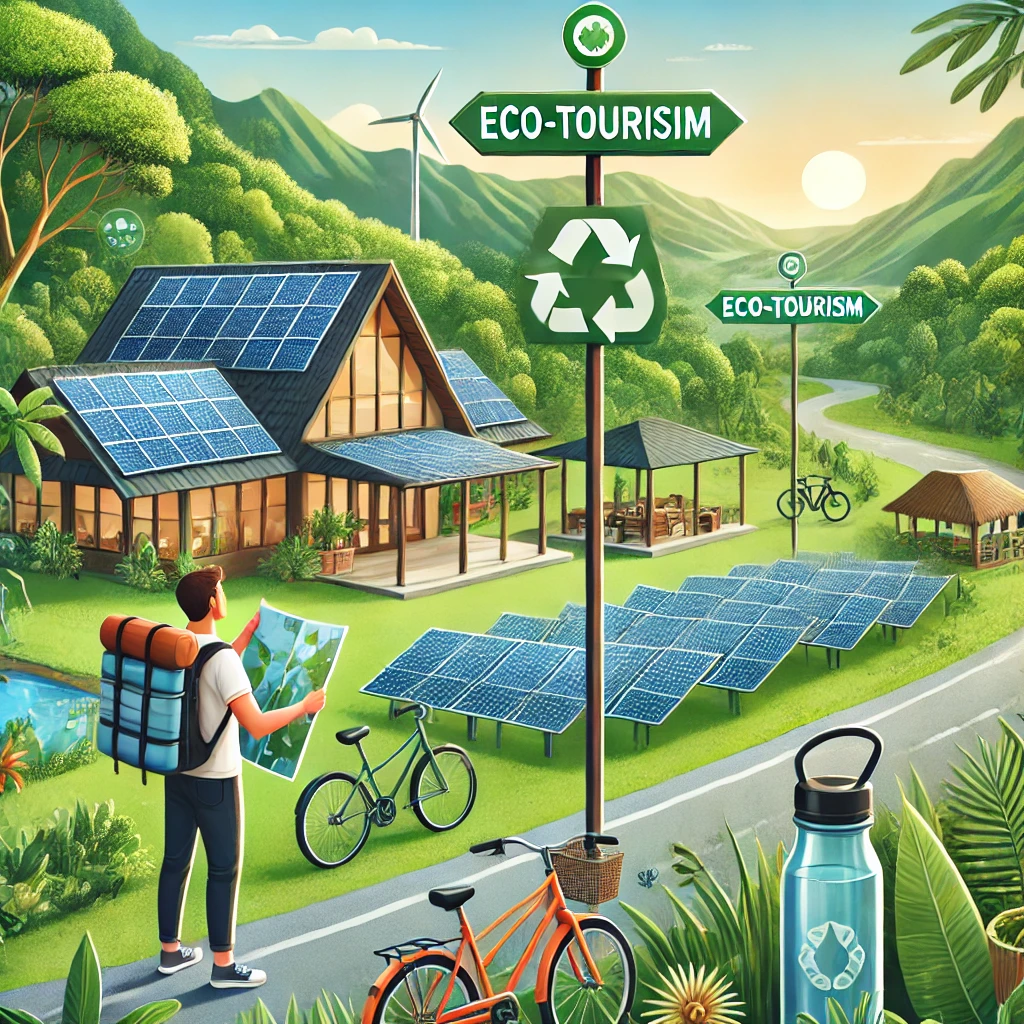
Why Eco-Friendly & Sustainable Travel Matters
Traveling allows us to explore new cultures and breathtaking landscapes. However, tourism can also have a significant impact on the environment and local communities. Eco-Friendly & Sustainable Travel is about making conscious choices that minimize harm and promote responsible tourism. By adopting sustainable travel practices, we can reduce our carbon footprint, support local economies, and protect cultural heritage.
The Impact of Tourism on the Environment
Tourism contributes to carbon emissions, environmental degradation, and the depletion of natural resources. Learn more about responsible travel at Travel Onecation. Mass tourism can lead to:
- Deforestation due to infrastructure development
- Increased plastic pollution in oceans and landfills
- Over-tourism, which harms local wildlife and communities
Sustainable travel ensures that future generations can enjoy our planet’s beauty without irreversible damage.
Types of Sustainable Travel
Eco-Tourism
Focuses on nature conservation and responsible travel practices, such as visiting wildlife sanctuaries or eco-lodges.
Slow Travel
Encourages longer stays and deeper cultural immersion instead of rushing through destinations.
Regenerative Travel
Goes beyond sustainability by leaving destinations better than they were before, such as reforestation projects and local community engagement.
How to Plan an Eco-Friendly Trip
1. Choose Sustainable Accommodations
Select hotels, lodges, or hostels that prioritize sustainability by:
- Using renewable energy sources (solar, wind, hydroelectric power)
- Implementing water and energy conservation measures
- Supporting local communities by hiring local staff and sourcing materials responsibly
2. Pack Light and Use Sustainable Travel Gear
Packing light reduces fuel consumption in planes, cars, and buses. Eco-friendly travel gear includes:
- Reusable water bottles, utensils, and shopping bags
- Biodegradable toiletries and reef-safe sunscreen
- Sustainable clothing made from organic or recycled materials
3. Reduce Carbon Footprint in Transportation
Transportation is a major contributor to carbon emissions. Here’s how to minimize your impact:
- Opt for direct flights to reduce fuel consumption
- Use public transport, bikes, or walk whenever possible
- Choose eco-friendly car rentals or electric vehicles
Sustainable Dining: Eating Responsibly While Traveling
1. Support Local & Organic Food
Eating at local restaurants reduces food miles and supports small businesses. Opt for:
- Seasonal and organic food options
- Plant-based meals to lower carbon emissions
- Restaurants with sustainability initiatives
2. Avoid Single-Use Plastics in Dining
Carry a reusable cutlery set, avoid plastic straws, and choose restaurants that use compostable packaging.
Eco-Friendly Travel Accessories
Investing in sustainable travel accessories helps reduce waste and promote responsible tourism. Must-have items include:
- Solar-powered chargers
- Biodegradable soap and shampoo bars
- Bamboo toothbrushes
Respecting Local Culture and Environment
Sustainable travel isn’t just about reducing waste—it’s also about respecting the places and people you visit:
- Support local artisans and businesses instead of big chains
- Learn and respect local customs, traditions, and languages
- Avoid activities that exploit animals or harm ecosystems (e.g., elephant rides, purchasing wildlife souvenirs)
Minimizing Waste and Plastic Use
Tourist destinations often struggle with waste management. Reduce your impact by:
- Carrying a reusable coffee cup and cutlery
- Saying no to single-use plastics like straws and plastic bags
- Properly disposing of waste and recycling whenever possible
Participating in Conservation Efforts
Eco-friendly travel can also include giving back to the environment. You can:
- Join eco-tourism activities like tree planting or beach clean-ups
- Volunteer for wildlife conservation projects
- Stay in eco-reserves that promote biodiversity and habitat restoration
Common Myths About Sustainable Travel
1. Sustainable Travel is Expensive
Many believe that traveling sustainably costs more, but in reality, budget-friendly options exist, such as hostels, public transport, and street food.
2. It’s Too Inconvenient
Simple choices, like packing a reusable water bottle and taking direct flights, make a big impact with little effort.
3. It Doesn’t Make a Difference
Small changes collectively create a significant positive effect on the environment and local communities.
Best Eco-Friendly Travel Destinations
1. Costa Rica
Known for its rich biodiversity and eco-lodges.
2. Iceland
Uses renewable energy and promotes responsible tourism.
3. New Zealand
A leader in conservation and eco-tourism.
4. Sweden
Famous for its eco-conscious cities and green initiatives.
5. Bhutan
Implements a “high-value, low-impact” tourism policy.
Conclusion
Eco-Friendly & Sustainable Travel is about making mindful choices that benefit the planet, people, and future travelers. By choosing sustainable accommodations, reducing waste, and respecting local cultures, we can enjoy travel while preserving the world’s beauty. Let’s embrace responsible tourism and ensure that our journeys leave a positive impact!