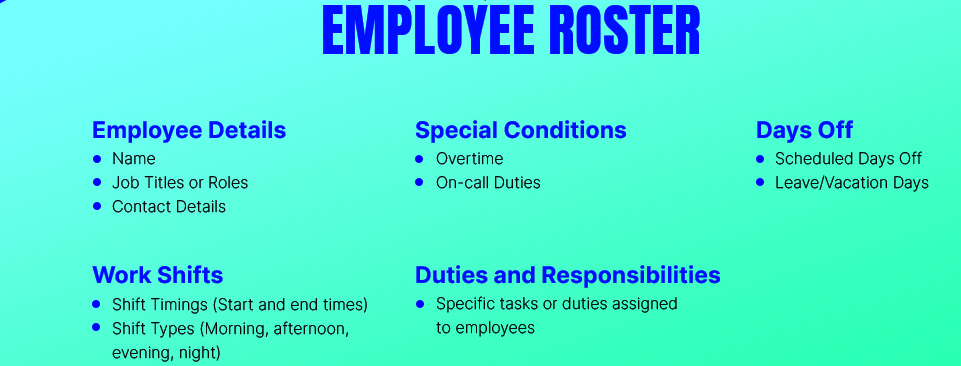
Understanding what type of information does this personnel roster represent is essential for businesses, organizations, and government agencies that manage teams and workforce data. A personnel roster is more than just a list of names—it’s a structured record containing vital information about employees, their roles, and their status within an organization. This guide explains in detail what type of information does this personnel roster represent, its purpose, importance, and how it is used in different operational settings.
What Is a Personnel Roster?
Before identifying what type of information does this personnel roster represent, it’s important to understand what a personnel roster actually is. A personnel roster is a detailed document or database that lists individuals working within an organization, along with relevant professional information. It acts as a quick reference tool for management, human resources departments, and team supervisors.
Personnel rosters are commonly used in corporate offices, military units, educational institutions, and healthcare facilities. They help in tracking employee details, scheduling shifts, and managing departmental operations efficiently.
Also, explore What Do Isopods Eat: A Complete Guide to Their Diet and Feeding Habits
What Type of Information Does This Personnel Roster Represent?
When examining what type of information does this personnel roster represent, it generally includes the following key categories:
- Employee Identification Details:
This includes the name, employee ID number, department, and designation. These basic identifiers are crucial for tracking and verifying personnel records. - Employment Information:
Details such as employment status (full-time, part-time, or contract), date of hire, shift timings, and supervisory reporting structure fall under this section. - Contact Information:
A personnel roster often contains professional email addresses, phone numbers, and sometimes office locations, ensuring smooth internal communication. - Skill and Role Assignments:
To determine what type of information does this personnel roster represent, one must look at role-related data. This includes job titles, skills, certifications, and departmental responsibilities—information used for task allocation and project planning. - Attendance and Availability Data:
Many rosters incorporate attendance records, leave status, and shift assignments to assist in workforce scheduling and time management. - Emergency and Administrative Information:
Some personnel rosters also store emergency contact information and administrative notes relevant to employee management.
Collectively, these elements define what type of information does this personnel roster represent—a complete and structured summary of workforce data.
Purpose of Maintaining a Personnel Roster
Organizations maintain personnel rosters for several important reasons. Understanding these helps clarify what type of information does this personnel roster represent in real-world applications:
- Operational Efficiency: Ensures that managers have instant access to staffing information and can make informed scheduling decisions.
- Accountability: Maintains accurate records for audits, payroll, and performance tracking.
- Communication: Helps in disseminating information effectively within departments.
- Crisis Management: Facilitates quick contact during emergencies or critical operations.
- Compliance: Ensures adherence to labor laws and internal organizational policies.
These purposes highlight how a well-structured roster contributes to seamless organizational functioning.
Different Types of Personnel Rosters
Understanding what type of information does this personnel roster represent also depends on the type of roster being used. Common types include:
- Shift Rosters: Track employee schedules and work hours.
- Project Rosters: List team members assigned to specific projects.
- Military Rosters: Contain rank, unit, and deployment details.
- Academic Rosters: Record faculty, staff, and administrative positions.
- Medical Rosters: Include doctors, nurses, and support staff with assigned duties.
Each roster type represents slightly different information, depending on the organization’s needs.
Benefits of an Accurate Personnel Roster
A precise and up-to-date personnel roster ensures numerous advantages:
- Streamlined Workforce Management
- Enhanced Transparency within departments
- Accurate Payroll Processing
- Improved Communication Channels
- Better Decision-Making for staffing and scheduling
These benefits further demonstrate the significance of understanding what type of information does this personnel roster represent for effective business operations.
Best Practices for Maintaining a Personnel Roster
To ensure that what type of information does this personnel roster represent remains accurate and reliable, organizations should follow best practices:
- Regularly update information to reflect changes in employment status or contact details.
- Use digital HR management systems to minimize errors.
- Restrict access to authorized personnel to maintain data privacy.
- Perform periodic audits to verify information accuracy.
- Include clear categorization for departments, roles, and responsibilities.
Following these steps keeps personnel data organized, secure, and compliant with regulations.
Conclusion
In conclusion, understanding what type of information does this personnel roster represent provides valuable insight into how organizations manage and monitor their human resources effectively. A personnel roster is a vital tool containing comprehensive data about employees—ranging from identification details and roles to schedules and contact information. Maintaining this information accurately helps enhance productivity, ensure accountability, and streamline communication. Whether used in corporate, academic, or military settings, a well-structured personnel roster forms the backbone of efficient workforce management.
FAQs
- What type of information does this personnel roster represent?
It represents employee-related data such as names, positions, contact details, work schedules, and departmental assignments. - Why is a personnel roster important for organizations?
A personnel roster ensures smooth workforce management, communication, and operational planning across departments. - Who is responsible for maintaining personnel rosters?
Typically, the Human Resources Department or administrative management handles personnel roster updates. - How often should a personnel roster be updated?
It should be updated regularly—ideally monthly or whenever staffing changes occur—to maintain accuracy. - What tools are used to manage personnel rosters?
Organizations use HR management software, spreadsheets, or cloud-based databases to efficiently organize and secure employee information.