
Alaskan Seiti is gaining attention among seafood lovers, health‑conscious eaters, and sustainability advocates for its versatile nature, nutrient‑rich profile, and environmentally responsible sourcing. This comprehensive article explores everything you need to know about Alaskan Seiti, including what it is, where it comes from, its nutritional benefits, culinary versatility, sustainability practices, and why it’s become a popular choice in kitchens around the world.
What Is Alaskan Seiti and Where It Comes From
Alaskan Seiti refers to Alaska pollock (Gadus chalcogrammus), a species of lean whitefish found in the cold waters of the North Pacific Ocean near Alaska, the Bering Sea, and the Gulf of Alaska. Although “Seiti” may appear as a unique term, it is essentially a market name or regional label highlighting the fish’s origin rather than denoting a different species. Alaska pollock, including Alaskan Seiti, is prized for its mild flavor, flaky texture, and affordability in both home cooking and commercial food products.
The natural habitat of this fish offers perfect conditions for its growth. Cold, nutrient‑rich waters encourage firm flesh and clean taste, making Alaskan Seiti a favorite among seafood markets and trusted by chefs around the globe.
Also, explore 418dsg7 Error Complete Informational and Professional Guide
Scientific Classification and Habitat
Alaskan Seiti belongs to the cod family (Gadidae) and shares similar traits with other whitefish species like cod and haddock. The fish thrives in sub‑arctic waters where plankton, krill, and smaller fish provide ample food sources. The Bering Sea, in particular, serves as the single largest region for harvest with highly monitored fish stocks to support sustainability.
Nutritional Value and Health Benefits
Alaskan Seiti is not only delicious but also an excellent choice for balanced diets, offering a range of essential nutrients with minimal fat content. Its nutritional profile supports heart health, weight management, and overall well‑being.
High‑Quality Protein and Low Calories
Rich in lean protein, Alaskan Seiti delivers a substantial amount of essential amino acids with very few calories. This makes it ideal for people aiming to build or maintain muscle while keeping calorie intake in check.
Essential Micronutrients
This fish contains beneficial vitamins and minerals, including Vitamin B12, selenium, phosphorus, and potassium. These nutrients support energy metabolism, immune function, and bone health. Omega‑3 fatty acids found in Alaskan Seiti contribute to cardiovascular health, brain function, and reduced inflammation.
Weight Management and Healthy Diets
Because Alaskan Seiti is low in fat and calories while providing high protein, it fits well within weight‑loss plans or health‑focused meal regimens. Its lean nature allows it to complement vegetables, whole grains, and healthy fats for balanced eating.
Culinary Versatility and Cooking Methods
One of the reasons Alaskan Seiti has become so popular is its exceptional culinary adaptability. Its neutral flavor and delicate, flaky texture make it suitable for a wide variety of dishes across global cuisine.
Classic and Simple Preparations
Alaskan Seiti can be baked, grilled, steamed, or pan‑seared with ease. Simple seasoning such as lemon, herbs, and light spices enhances its natural flavor without overpowering the dish.
Comfort Foods and International Dishes
This fish lends itself to heartier meals like fish tacos, chowders, casseroles, and even international classics such as Nordic fish soups. It also holds up well in processed products like fish sticks, fillets, and imitation crab (surimi), where texture and mild taste are key.
Tips for Best Results
Avoid overcooking to preserve moisture and texture. Pair Alaskan Seiti with fresh herbs, citrus, and light sauces to balance its clean taste. For health‑minded cooks, steaming or baking are excellent methods that preserve nutrients and flavor.
Sustainability and Environmental Impact
Sustainability is a major factor in Alaskan Seiti’s appeal. Alaska pollock fisheries are known for responsible management practices that aim to protect marine ecosystems while maintaining strong fish populations.
Wild‑Caught and Certified Fisheries
Many Alaskan Seiti fisheries are managed under strict regulations with science‑driven quotas to prevent overfishing. Some fisheries also carry Marine Stewardship Council (MSC) certification, signifying compliance with global sustainability standards.
Environmental Challenges and Solutions
While responsible fishing helps protect populations, challenges like bycatch and climate change persist. Sustainable practices, including regulated catch limits and monitoring programs, are critical in ensuring the long‑term health of the species and surrounding ecosystems.
Why Alaskan Seiti Is a Popular Choice
Alaskan Seiti stands out in the global seafood market because it combines nutritional benefits, affordability, robust supply, and culinary flexibility. Its strong sustainability record and growing consumer awareness about responsible seafood make it a practical and conscientious choice for meals around the world.
Conclusion
Alaskan Seiti represents a nutritious, sustainable, and versatile seafood option that fits a variety of dietary and culinary needs. Its lean protein, rich micronutrients, and mild flavor make it a smart choice for health‑focused individuals, home cooks, and professional chefs alike. With responsible fishing practices and global appeal, Alaskan Seiti continues to grow in popularity among those seeking healthy meals, sustainable ingredients, and delicious food experiences.
Frequently Asked Questions
1.What exactly is Alas kan Seiti?
Alaskan Seiti refers to Alaska pollock, a mild‑flavored whitefish commonly used in a wide range of culinary applications.
2.Is Alas kan Seiti healthy to eat regularly?
Yes. It is low in calories, high in lean protein, and rich in essential nutrients, making it suitable for balanced diets.
3.Where can I find Alas kan Seiti?
It is available fresh or frozen in supermarkets, seafood markets, and through online retailers.
4.Can Alas kan Seiti be substituted for other fish?
Absolutely. It works well in place of cod, haddock, or other whitefish in many recipes.
5.Is Alas kan Seiti sustainably sourced?
When certified by organizations like MSC or managed under strict fishery guidelines, it is considered a sustainable seafood choice.
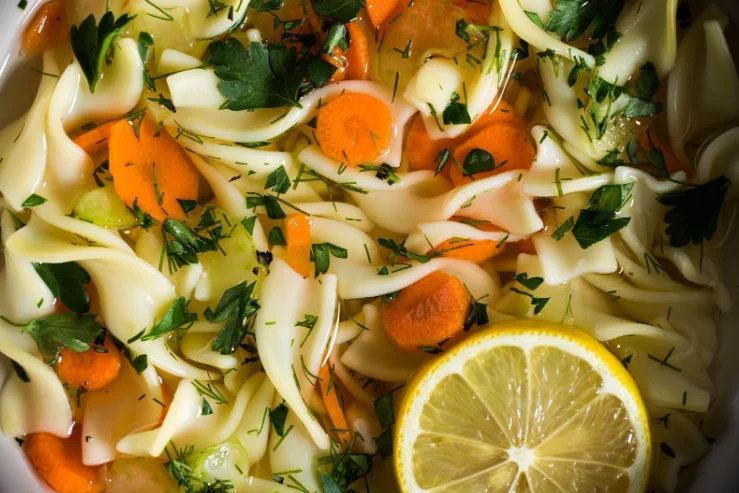
Bone Broth Nutrition: What’s in It and How Your Body Uses It

Discover Stylish Plastic Disposable Plates for Family Dining

Alaskan Seiti: A Complete Guide to Nutrition, Sustainability, and Culinary Uses