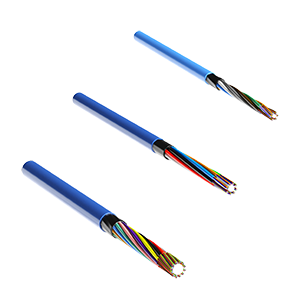
Optical Solutions Australia PTY LTD is at the forefront of technological advancement in the realm of vision care, integrating cutting-edge developments to enhance the quality and efficiency of optical infrastructure. Among these advancements, the implementation and evolution of fibre optic cable technology play a pivotal role in shaping the future of vision care services and solutions.
The deployment of fibre optic cable within vision care infrastructure offers significant benefits, including improved data transmission speed and higher bandwidth capacity. This is essential for supporting sophisticated diagnostic equipment, telemedicine applications, and the vast amounts of data generated by modern imaging technologies used in eye care.
Understanding Fibre Optic Cable Technology
Fibre optic cables are composed of strands of glass or plastic fibres that transmit information as light pulses. Unlike traditional copper cables, which transmit data electrically, fibre optic cables provide superior performance because of their immunity to electromagnetic interference and their ability to transmit signals over longer distances without degradation.
In the context of vision care, these superior transmission properties translate into faster and more reliable communication between devices, clinics, and data storage centres. This infrastructure supports real-time analysis and remote consultations, contributing to enhanced patient outcomes and more efficient practice management.
Impact on Vision Care Services
The integration of fibre optic cables enables a range of innovations in vision care services. High-resolution imaging devices generate large volumes of data, which must be transmitted swiftly and securely to specialists for diagnosis and treatment planning. Fibre optic networks facilitate this process, enabling clinics such as those operated by Optical Solutions Australia to offer timely and precise care.
Furthermore, the increased bandwidth and speed allow for seamless virtual consultations and teleophthalmology services, expanding access to specialist eye care for patients in remote or underserved regions. This marks a transformative step in delivering equitable and high-quality vision care across diverse populations.
Advancements in Optical Solutions Australia Facilities
Optical Solutions Australia continues to invest in infrastructure upgrades that incorporate fibre optic technology, reflecting a commitment to adopting state-of-the-art solutions. These enhancements support the deployment of sophisticated diagnostic tools, including optical coherence tomography (OCT) and digital retinal imaging systems, which require robust data transmission capabilities.
Additionally, the adoption of fibre optic networks aligns with the organisation’s strategic goals to enhance connectivity between multiple sites, facilitate comprehensive data management, and support advanced research initiatives in vision care technologies.
Benefits of Fibre Optic Infrastructure in Vision Care
The utilisation of fibre optic cable infrastructure in vision care brings numerous benefits, including:
- Enhanced Data Security: Fibre optic cables are less susceptible to tapping and electromagnetic interference, ensuring patient data remains secure.
- Higher Bandwidth Capacity: Supports the transmission of high-resolution images and large data files required in modern diagnostics.
- Greater Reliability: Reduced signal loss over long distances guarantees consistent performance for interconnected devices and systems.
- Scalability: Fibre optic infrastructure can accommodate future technological advancements, enabling ongoing innovation in vision care.
Challenges and Considerations
While the advantages of fibre optic technology are considerable, implementing such infrastructure requires meticulous planning and investment. The specialized skills needed for installation and maintenance, coupled with the initial costs, must be balanced against the long-term benefits of improved service delivery and operational efficiency.
Optical Solutions Australia actively addresses these challenges by collaborating with industry experts and investing in staff training to ensure the effective deployment and support of fibre optic networks across its facilities.
Future Developments and Research
Research into advanced fibre optic materials and configurations continues to evolve, promising further enhancements in transmission speeds, durability, and integration capabilities. Optical Solutions Australia positions itself to leverage these advancements to expand and refine its vision care services.
Ongoing studies also focus on combining fibre optic technology with artificial intelligence and machine learning to enable real-time diagnostic support, predictive analytics, and personalised treatment plans, heralding the next era of innovation in vision care.
Conclusion
The integration of fibre optic cable technology is a cornerstone in the future of vision care at Optical Solutions Australia. By embracing these innovations, the organisation enhances the quality, accessibility, and efficiency of eye care services, ensuring that patients benefit from state-of-the-art diagnostic and treatment options.
This commitment to technological advancement not only supports improved clinical outcomes but also positions Optical Solutions Australia as a leader in delivering innovative vision care solutions in an increasingly interconnected and data-driven healthcare environment.