The best studio microphones for 2025 are not all the same kind of tool, and that is the first thing to understand before buying one. A microphone that makes a singer sound wonderful can be the wrong choice for a podcast, and a broadcast microphone that podcasters love may need more equipment than a beginner expects. This guide to the best studio microphones 2025 is based on the video from Wellness Tech Reviews, which picks five microphones and accessories for recording and streaming, and explains what each one is good at.
The video runs for nineteen minutes and covers a top pick, an editor’s choice, a premium wireless option, a budget pick and a complete starter bundle. This article works through each one, explains the differences between them and helps you choose the microphone that fits what you actually record.
Watch the Best Studio Microphones 2025 video
Watch the video this guide is based on first. It introduces all five picks, shows what each microphone looks like in use and explains the strengths and trade-offs the video’s authors found important.
How to choose a studio microphone
Before the individual picks, it helps to know the two choices that shape every microphone decision. The first is the microphone type. Condenser microphones are sensitive and detailed: they pick up the fine detail of a voice or an instrument, which is why they are the standard choice for studio vocals and for recording acoustic instruments. Dynamic microphones are less sensitive and more forgiving: they handle loud sounds well and tend to ignore room noise, which is why many podcasters and streamers prefer them, especially in untreated rooms.
The second choice is the connection. A USB microphone plugs straight into a computer and is ready to record in minutes, which suits beginners and streamers. An XLR microphone needs an audio interface or a mixer, which adds cost and complexity, but it gives you better control over your sound and a clear upgrade path. Some modern microphones offer both connections, and that flexibility is worth looking for.
Room noise matters too. A sensitive condenser microphone will record the fan, the traffic and the echo of a bare room, while a dynamic microphone will hide much of that. If your room is not treated, a dynamic microphone is often the safer choice.
The five picks at a glance
- Top pick: RODE NT1 5th Gen — exceptional sound quality and versatility for music production and vocals
- Editor’s choice: Shure SM7B — robust build and outstanding vocal clarity
- Premium pick: Hollyland Lark Max — wireless, long battery life and studio-quality audio
- Budget pick: Audio-Technica AT2020 — affordable with excellent sound quality
- Starter bundle: Focusrite Scarlett Solo Studio 4th Gen — a complete recording bundle
Top pick: RODE NT1 5th Gen
The video’s top pick is the RODE NT1 5th Gen, and it is also the most versatile microphone on the list. It is a large-diaphragm condenser microphone, which means it is sensitive, detailed and well suited to vocals and music production. The video describes its sound quality as exceptional, and that is the NT1’s reputation: it is a microphone that makes a good voice sound like a record.
What makes the 5th Gen version particularly useful is its dual connection: it can connect to an audio interface over XLR, like a traditional studio microphone, or straight to a computer over USB, like a plug-and-play microphone. That means you can start with the simple USB setup and move to an XLR interface later without buying a new microphone. For home recording, that flexibility matters, because it removes the risk of buying into the wrong connection.
The NT1 5th Gen suits singers, voiceover artists and home producers who want a classic studio sound and who can record in a reasonably quiet room. Its sensitivity is also its weakness: in a noisy or echoey room, it will record that noise too, so a bit of room treatment or a quiet space goes a long way.
Editor’s choice: Shure SM7B
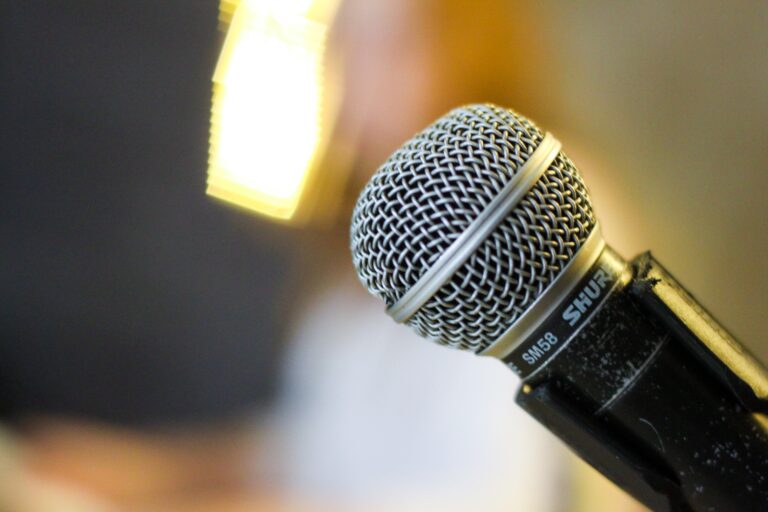
The editor’s choice is the Shure SM7B, a dynamic microphone that is a fixture of professional podcasting and radio. The video calls out its robust build and its outstanding vocal clarity, and the SM7B’s sound is familiar to anyone who listens to podcasts: warm, clear and close, with the room mostly absent.
The SM7B’s strength is its forgiveness. As a dynamic microphone, it is less sensitive than the NT1, so it ignores much of the room around you. That makes it the right choice if you record in an untreated room, a busy home or a shared space. It also handles loud voices and close-up recording without distortion.
There are two things to know before buying it. The first is that the SM7B is more expensive than the budget picks on this list, and the video is clear that it is a premium purchase. The second is that it needs plenty of clean gain from an audio interface to sound its best, and many interfaces on their own struggle to give it enough level. That means you may need to budget for a capable interface or a gain booster alongside the microphone. If you can accept that, it is a microphone you are unlikely to outgrow.
Premium pick: Hollyland Lark Max
The premium pick is the Hollyland Lark Max, a wireless microphone system rather than a traditional studio microphone. It is built for creators who record away from a desk: filming, interviews, vlogging and on-the-move recording, where a microphone on a stand is no use.
The video highlights its long battery life and its studio-quality audio, and that combination is the point of the Lark Max: it aims to give you the freedom of a wireless lavalier microphone without the thin, hollow sound that wireless systems used to have. It is a premium-priced product, as the video notes, and that price is for portability and convenience rather than for pure vocal fidelity in a studio.
Choose the Lark Max if your recording happens anywhere other than a studio: out and about, on set, or in different rooms of a house. If you only ever record at a desk, one of the wired microphones on this list will give you more sound quality for the money.
Budget pick: Audio-Technica AT2020
The budget pick is the Audio-Technica AT2020, a cardioid condenser microphone that has been an entry-level favourite for years. The video describes it as affordable with excellent sound quality, and that is a fair summary: the AT2020 gives you a clear, detailed condenser sound for far less than the NT1 or the SM7B.
As a condenser microphone, it shares the NT1’s sensitivity and its preference for a quiet room. The trade-offs the video notes are that it lacks some of the more advanced features of the premium options: there is no dual USB connection on the standard model, and it comes without the accessories and the refined build of the higher-priced microphones.
For a first studio microphone, or for a streamer or podcaster who is building a recording setup on a budget, the AT2020 is the sensible starting point. It sounds good, it is widely supported, and when you eventually upgrade, you will still have a useful spare microphone.
Starter bundle: Focusrite Scarlett Solo Studio 4th Gen
The final pick is not a single microphone but a bundle: the Focusrite Scarlett Solo Studio in its fourth generation. The bundle gives you the three things a beginner needs to start recording properly: an audio interface, a condenser microphone and a pair of headphones.
The value of a bundle is that you don’t have to work out what goes with what. The interface provides the clean gain and the connection to the computer, the microphone records the sound, and the headphones let you hear what you are doing. For someone making the jump from a USB microphone to an XLR setup, that removes most of the confusion and the risk of buying mismatched parts.
This is the right choice if you are starting from nothing and want a complete, proven setup in one box. If you already own an interface or headphones, buying a microphone on its own may be better value.
Which studio microphone should you buy?
The right choice depends on what you record. For vocals and music production in a quiet room, the RODE NT1 5th Gen is the top pick, with its detailed sound and its choice of XLR or USB. For podcasts and streaming in a normal room, the Shure SM7B is the editor’s choice, because its dynamic design ignores room noise and its sound is made for speech. For recording anywhere and everywhere, the Hollyland Lark Max is the premium wireless option. For a first microphone on a tight budget, the Audio-Technica AT2020 is hard to beat. And if you are starting from scratch, the Focusrite Scarlett Solo Studio bundle gives you an interface, a microphone and headphones in one purchase.
Also consider what you already own. A USB-only microphone is the simplest start, while an XLR microphone needs an interface: if you don’t own one, the bundle or the NT1 5th Gen’s USB mode are the simplest ways in.
Things to keep in mind before buying
Remember that this guide is based on a video roundup rather than on a single set of laboratory tests, so the picks reflect the video’s judgements about sound and value rather than measured results. Prices change often, so check the current price of any microphone before buying, and check which model is included: some microphones come in XLR-only and USB versions, and the difference matters for your setup.
Also think about the rest of your recording chain. A microphone is only one part of a recording: a pop filter, a boom arm or stand, and a quiet room will improve your sound more than a slightly more expensive microphone. Plan a small budget for those accessories when you choose your microphone.
Verdict: the best studio microphones 2025
There is no single best studio microphone for everyone, and the video’s list reflects that: five picks for five different jobs. The RODE NT1 5th Gen is the most versatile top pick, the Shure SM7B is the best choice for voices in a real room, the Hollyland Lark Max is the premium pick for wireless creators, the Audio-Technica AT2020 is the best budget start, and the Focusrite Scarlett Solo Studio bundle is the easiest way to get a complete setup. Choose the one that matches how and where you record, and you will get a microphone you can rely on for years.