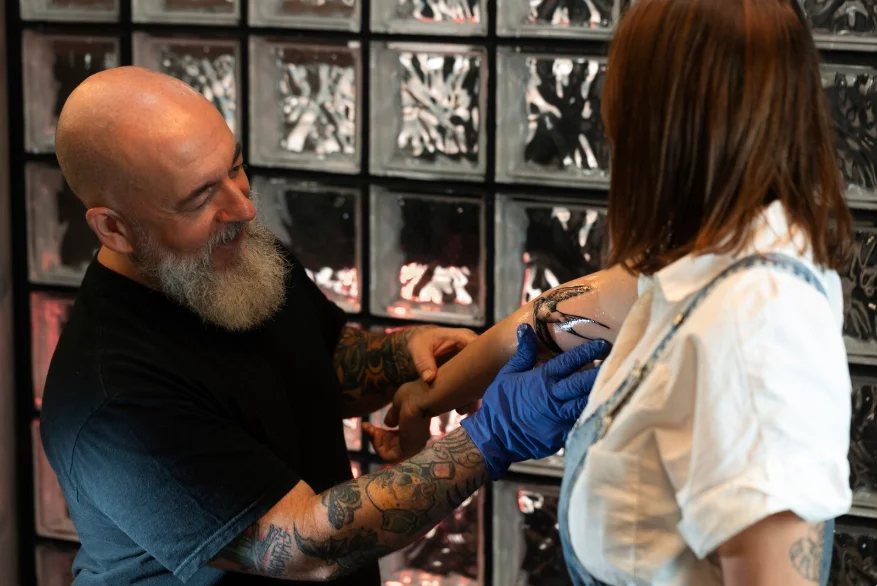
In recent years, body art has evolved from a niche trend into a widely accepted form of personal expression. Tattoos and piercings allow individuals to showcase their personality, commemorate important life events, or simply embrace creative artistry. Central to achieving a safe and satisfying experience is choosing the right tattoo and piercing shop. Whether you are a first-time client or a seasoned enthusiast, understanding the services, safety standards, and artistic expertise of a shop is essential for making informed decisions.
Understanding the Role of a Tattoo and Piercing Shop
A tattoo and piercing shop is more than just a place to get inked or pierced; it is a professional establishment where artistry meets strict hygiene and safety standards. Skilled artists and piercers not only create visually striking designs but also ensure that procedures are performed with precision and care. The environment of a reputable tattoo and piercing shop is clean, welcoming, and well-organized, prioritizing both the health and comfort of clients.
Professional shops provide guidance throughout the entire process, from design selection to aftercare instructions. This comprehensive approach ensures that clients are fully informed about what to expect, including potential risks, healing times, and maintenance tips. A well-managed shop emphasizes client education, reinforcing the importance of safety, hygiene, and quality in every procedure.
Services Offered by a Tattoo and Piercing Shop
One of the most important aspects of selecting a tattoo and piercing shop is understanding the range of services it provides. Many shops offer custom tattoo designs, allowing clients to collaborate with artists to create unique, personalized artwork. From intricate sleeve designs to small, minimalist tattoos, skilled artists are capable of translating a client’s vision into permanent body art.
Piercing services are equally diverse, ranging from traditional ear piercings to more specialized body modifications. Professional piercers use sterile equipment and follow strict hygiene protocols to minimize the risk of infection and ensure proper healing. A reputable tattoo and piercing shop also provides guidance on jewelry materials, placement, and care, helping clients make informed decisions that suit their individual preferences and anatomy.
In addition to tattoos and piercings, many shops offer related services such as tattoo touch-ups, removal consultations, and aftercare products. This comprehensive approach allows clients to maintain their body art in optimal condition, ensuring that each piece remains vibrant and healthy over time.
Safety and Hygiene Standards
One of the most critical factors when selecting a tattoo and piercing shop is the establishment’s commitment to safety and hygiene. Because tattoos and piercings involve breaking the skin, strict cleanliness protocols are essential to prevent infections and other complications. A professional shop adheres to local health regulations, uses sterilized equipment, and practices proper hand hygiene at all times.
Disposable needles and gloves are standard in reputable shops, reducing the risk of cross-contamination between clients. Workstations are cleaned and disinfected between procedures, and all tools that cannot be disposed of are thoroughly sterilized using high-grade autoclaves. These measures are non-negotiable in a professional tattoo and piercing shop, as they protect both the client and the artist.
Additionally, a trustworthy shop ensures that all staff members are trained in infection control and bloodborne pathogen safety. They follow protocols for safe handling and disposal of contaminated materials, demonstrating a commitment to the health and well-being of everyone in the shop.
Artistic Expertise and Customization
The artistic skill of tattoo and piercing professionals is another essential consideration. Talented artists bring creativity, precision, and technical expertise to every project, ensuring that each design is executed flawlessly. Many shops feature portfolios of past work, allowing potential clients to assess the quality, style, and versatility of the artists.
Custom designs are a hallmark of a quality tattoo and piercing shop. Instead of applying generic templates, experienced artists collaborate with clients to develop unique pieces that reflect personal stories, interests, or artistic preferences. This creative partnership not only results in a one-of-a-kind design but also enhances the client’s connection to their body art.
Moreover, an artist’s technical knowledge is critical in tattoo placement and piercing execution. Understanding body anatomy, skin elasticity, and proper piercing angles ensures that results are both aesthetically pleasing and safe. A skilled tattoo and piercing shop prioritizes these considerations, creating art that complements the individual’s body while minimizing discomfort and promoting proper healing.
Factors to Consider When Choosing a Tattoo and Piercing Shop
Selecting the right shop requires careful research and consideration. One of the first steps is reviewing the shop’s reputation. Online reviews, word-of-mouth recommendations, and social media portfolios provide valuable insight into the quality of service, artistic ability, and client satisfaction.
Licensing and certification are also critical. A legitimate tattoo and piercing shop complies with local regulations and maintains up-to-date certifications for artists and piercers. This adherence to legal standards demonstrates professionalism and a commitment to safety.
Consultations are another important factor. A reputable shop offers initial meetings where clients can discuss design ideas, placement, and procedure details. During consultations, clients can assess the shop’s cleanliness, the artist’s communication skills, and the overall professionalism of the establishment.
Price is another consideration, though it should not be the sole determining factor. While competitive pricing is reasonable, extremely low rates may indicate compromised safety or subpar artistic quality. Investing in a reputable tattoo and piercing shop ensures a safe, satisfying, and long-lasting result.
Aftercare and Client Education
A quality tattoo and piercing shop emphasizes proper aftercare and client education. Correct aftercare is essential for preventing infections, promoting healing, and preserving the appearance of tattoos and piercings. Artists provide clear instructions on cleaning procedures, recommended products, and healing timelines.
For tattoos, aftercare may include avoiding direct sunlight, keeping the area moisturized, and refraining from picking or scratching the tattooed skin. For piercings, advice often focuses on cleaning routines, jewelry adjustments, and monitoring for signs of infection. By offering thorough aftercare guidance, a tattoo and piercing shop ensures that clients achieve the best possible results and long-term satisfaction.
Common Misconceptions About Tattoo and Piercing Shops
Despite their popularity, tattoo and piercing shops are sometimes misunderstood. One common misconception is that tattoos and piercings are unsafe. In reality, professional shops adhere to strict hygiene and safety standards, significantly reducing risks when procedures are performed correctly.
Another misconception is that tattoos are permanent commitments that cannot be modified. Many shops offer touch-up services, cover-ups, or removal consultations, giving clients flexibility if they wish to alter their body art in the future.
Additionally, some people assume that tattoos and piercings are only for certain age groups or lifestyles. Modern tattoo and piercing shops cater to a diverse clientele, providing artistic expression for people of all ages, backgrounds, and professions.
The Evolving Role of Tattoo and Piercing Shops
Tattoo and piercing shops continue to evolve, incorporating new techniques, technologies, and artistic styles. Digital design tools, advanced tattoo machines, and specialized jewelry options allow artists to push creative boundaries while maintaining safety and precision.
Sustainability is also becoming a priority in many shops. Eco-friendly inks, biodegradable materials, and energy-efficient equipment reflect a growing commitment to environmental responsibility without compromising quality or safety.
Conclusion
A tattoo and piercing shop in Denver is far more than a place to receive body art; it is a professional environment where creativity, safety, and client satisfaction intersect. From ensuring hygienic procedures to providing personalized artistic designs, a reputable shop offers a comprehensive experience for anyone seeking tattoos or piercings.
When choosing a tattoo and piercing shop, clients should consider artistic expertise, safety standards, reputation, licensing, and aftercare support. Engaging with a professional shop ensures not only a visually stunning result but also a safe, hygienic, and enjoyable experience.
By understanding the role and value of a tattoo and piercing shop, individuals can make informed decisions that result in body art they will cherish for a lifetime. Whether for personal expression, aesthetic enhancement, or commemorating significant moments, a trusted tattoo and piercing shop delivers art, safety, and professionalism every step of the way.
A tattoo and piercing shop provides the tools, knowledge, and skill to turn creative visions into reality, making it an essential destination for anyone considering tattoos or piercings. With attention to detail, adherence to safety protocols, and a dedication to artistic excellence, the right shop ensures that clients enjoy a safe, memorable, and highly satisfying body art experience.