Understanding the Essential Role of Modern Stair Lifts in Home Accessibility
As homes evolve and more families prioritize comfort, independence, and long-term accessibility, stair lifts have become one of the most valuable mobility solutions in residential environments. For individuals who face physical challenges, the staircase can quickly transform from a normal part of daily life into a risky, energy-consuming obstacle. Age-related physical limitations, injuries, chronic medical conditions, or balance issues can all make climbing stairs a source of fear and discomfort. These concerns often force individuals to restrict themselves to a single floor or rely heavily on family members for assistance. This loss of independence can gradually affect emotional well-being and overall quality of life. A well-planned stair lift installation resolves these problems by offering a safe, reliable, and comfortable means of moving between floors. It restores freedom to the user, allowing them to regain access to their entire home without physical strain or risk. The growing demand for these systems highlights their importance, as more families recognize the value of creating a living environment that supports long-term mobility, security, and peace of mind.
How Stair Lifts Improve Comfort, Convenience, and Daily Living
The installation of a stair lift brings practical improvements that enhance the daily experience of both users and caregivers. For the user, it eliminates the physical effort needed to climb stairs, reducing strain on joints and muscles while preventing dangerous missteps or falls. This convenience allows individuals to maintain their routines without limiting themselves based on the difficulty or danger of navigating stairs. Families and caregivers benefit from reduced stress and the reassurance that their loved one can safely move around the home at any time. Stair lifts also provide an economical alternative to costly renovations such as converting a home into a single-level layout or moving to a ground-floor residence. Modern stair lift designs blend seamlessly with home interiors, offering quiet movement, comfortable seating, and easy-to-use controls. A professional stair lift installation ensures that these features work together seamlessly, giving users an experience that is both smooth and reassuring. All these factors combine to create a supportive and accessible environment that promotes independence and comfort.
Choosing the Best Stair Lift for Your Home and Mobility Needs
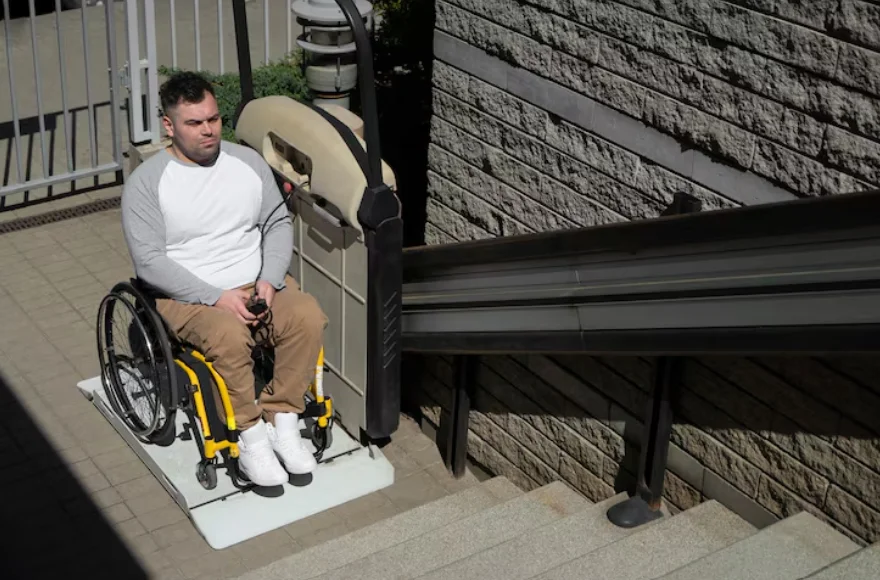
Selecting the appropriate stair lift starts with understanding the layout of the staircase and the requirements of the user. Straight stair lifts are ideal for staircases without curves or landings and offer fast installation at an affordable cost. Curved stair lifts are custom engineered to fit staircases with turns, spirals, or multiple levels, making them perfect for more complex home designs. Some homes require outdoor stair lifts that are weather-resistant and built to withstand environmental exposure such as rain, wind, and extreme temperatures. Users should also consider additional factors such as seat width, armrest design, weight capacity, footrest style, and the presence of safety features like swivel seats and obstruction sensors. Modern models offer smooth start-and-stop technology, remote controls, and foldable components to minimize space usage. Choosing a stair lift that matches both the user’s physical needs and the home’s architectural layout ensures a comfortable experience and dependable long-term use. A thoughtful selection sets the foundation for a secure and effective stair lift installation that enhances mobility for years to come.
Preparing the Home for a Professional Installation Experience
Before beginning the stair lift installation, it is helpful for homeowners to prepare the staircase and surrounding areas so that technicians can work efficiently. The staircase should be free of clutter, loose rugs, or decorative objects that may obstruct movement or pose hazards. Removing small furniture pieces near the staircase can also create more workspace for installers, ensuring they have unobstructed access. In most cases, stair lifts do not require major structural modifications, as the track attaches directly to the stair treads instead of the wall. This reduces the time and complexity of the installation. However, homeowners should verify that a functional electrical outlet is located near the top or bottom of the staircase. Some models include built-in battery backup systems, providing continued operation during power outages. It is also helpful to discuss any specific mobility challenges with the installers so they can customize adjustments for optimal comfort. Proper preparation supports a smooth installation process and ensures the lift functions safely and efficiently.
Understanding the Technical Steps of the Installation Process
A professional stair lift installation involves a detailed and precise process to guarantee safety, functionality, and long-term performance. Technicians begin by confirming measurements taken during the initial assessment to verify that the track and lift components fit perfectly to the staircase. They then attach the track securely to the treads using durable brackets designed to support the full weight of the system and user. Because the track is mounted on the steps rather than the wall, there is no need for extensive structural changes. After the track is stabilized, the chair carriage is installed and tested to ensure smooth movement along the rail. Electrical connections are then completed, allowing the lift to receive consistent power while also activating the battery backup system. Safety features such as seatbelt locks, swivel mechanisms, and obstruction sensors are tested to confirm proper operation. Technicians provide instructions on how to operate the lift, adjust the seat, fold components when not in use, and maintain the track. By following this structured process, installers ensure the stair lift operates smoothly, quietly, and securely from the moment it is first used.
Safety Features That Add Confidence, Stability, and Peace of Mind
Stair lifts include numerous design elements that prioritize safety at every step of operation. Seatbelts secure the user during movement, while swivel seats allow safe exiting at the top or bottom of the staircase. Obstruction sensors detect objects on the stairs and stop the lift immediately to prevent accidents. Over-speed governors prevent the lift from moving too quickly, ensuring a steady and controlled ride. Soft-start and soft-stop technology enhances comfort by eliminating sudden movements that might cause discomfort. Battery backup capabilities keep the lift functional during a power outage, ensuring users are never left stranded. Footrests and armrests are often designed with ergonomic materials to provide stability and reduce fatigue. Each of these safety features plays a vital role in building user confidence and ensuring the stair lift remains a trustworthy addition to the home.
The Importance of Ongoing Maintenance for Reliability and Performance
Stair lifts are dependable systems, but like any mechanical device, they require ongoing attention to maintain peak performance. Regular cleaning of the track helps prevent buildup of dust or debris that could hinder movement. Lubrication of moving components ensures smooth travel and reduces wear on the system. Homeowners should remain attentive to unusual noises, changes in speed, or difficulty in starting or stopping the lift. Such signs may indicate the need for repair, and addressing issues promptly prevents small problems from becoming major complications. Scheduling a professional inspection once or twice a year keeps the lift in optimal condition, allowing technicians to identify worn parts, tighten hardware, and test safety systems. In some instances, the system may require a repair if electrical issues, remote control malfunctions, or sensor problems arise. Being proactive with maintenance not only extends the lifespan of the stair lift but also ensures continuous safety and comfort for the user. By practicing consistent maintenance and seeking timely professional support, homeowners protect their investment and maintain dependable functionality.
Avoiding Common Mistakes That Affect Performance or Safety
Several common mistakes can compromise the effectiveness of a stair lift installation. One frequent error is selecting a stair lift based solely on price without considering the unique demands of the staircase or the needs of the user. Another mistake is attempting a do-it-yourself installation, which can lead to improper alignment, loose track fittings, or incomplete wiring. These issues may create safety hazards or reduce the lifespan of the system. Neglecting routine maintenance is another common problem, as dust buildup or lack of lubrication can gradually affect performance. Ignoring warning signs such as inconsistent movement or hesitation is also risky and may require a repair to prevent further damage. Homeowners should also avoid overloading the lift or using it to transport heavy objects that it was not designed to carry, as this can strain the motor or damage the track. By understanding and avoiding these common mistakes, homeowners can ensure their stair lift remains safe, reliable, and efficient for many years.
Conclusion: Repair Is Essential for Maintaining a Dependable Stair Lift Installation Over Time
Repair plays an important role in preserving the long-term performance of a stair lift and ensuring it remains a reliable mobility solution for the household. A high-quality stair lift installation provides comfort, safety, and independence, but its durability depends on proper upkeep and immediate attention to any issues that arise. Investing in a stair lift is a meaningful decision that enhances daily living, supports mobility, and creates a safer home environment. From choosing the right model and preparing the staircase to understanding features and prioritizing maintenance, each step contributes to a system that operates smoothly and dependably. With consistent care, occasional adjustments, and timely repair, the stair lift continues to provide essential support, helping individuals maintain freedom and confidence throughout the home for many years.