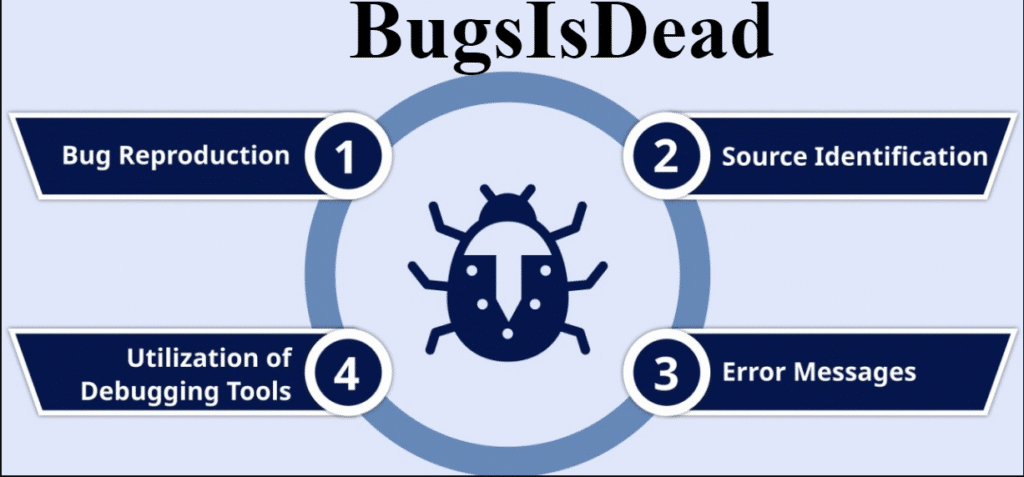
In the constantly evolving digital world, efficiency, reliability, and performance are no longer optional but essential. BugsIsDead is a term increasingly associated with a modern digital mindset that emphasizes error-free systems, optimized performance, and user-focused development practices.
What Is BugsIsDead and Why It Matters
BugsIsDead represents a forward-looking approach to digital development where minimizing errors and improving system stability are top priorities. Instead of reacting to issues after they occur, this approach focuses on proactive problem prevention, quality assurance, and continuous improvement. The goal is to create systems that operate smoothly, reduce downtime, and deliver consistent value to users.
In today’s competitive digital environment, platforms and tools that follow this philosophy stand out. Users expect seamless functionality, and organizations benefit from reduced maintenance costs and improved trust. This approach aligns with modern expectations of software reliability, scalable architecture, and long-term sustainability.
Also, explore Picuki instagram: A Complete Guide to Anonymous Instagram Viewing
Core Philosophy of BugsIsDead
At its core, BugsIsDead is built around the idea that digital solutions should be designed with precision from the beginning. This philosophy prioritizes clean code practices, robust testing frameworks, and performance optimization. By addressing potential issues early, developers and organizations can avoid larger problems later.
This mindset also supports better collaboration between teams. When systems are stable and well-documented, workflows become more efficient, and innovation can progress without constant technical interruptions.
Key Characteristics of Error-Resilient Digital Systems
Digital solutions inspired by this approach share several defining characteristics that enhance overall quality and user satisfaction.
Emphasis on Quality and Testing
One of the most important elements is comprehensive testing. Automated testing, routine audits, and performance checks help ensure that systems function as intended across different environments. This leads to higher operational confidence and fewer unexpected disruptions.
User-Centered Performance
Reliable systems directly impact user experience. Fast load times, intuitive navigation, and predictable behavior contribute to higher engagement and retention. When users trust a platform to work consistently, satisfaction naturally increases.
Scalable and Maintainable Architecture
Another important characteristic is scalability. Systems designed with flexibility in mind can grow without introducing instability. This is particularly valuable for businesses planning long-term digital expansion.
Practical Applications Across Industries
The principles behind this concept are applicable across a wide range of industries. In technology-driven businesses, they support product stability, service continuity, and customer trust. In education and research, they ensure reliable access to digital resources and learning platforms.
For startups and growing companies, adopting such an approach early can prevent costly redesigns later. Established organizations benefit by improving system longevity and reducing technical debt. Even individual developers can apply these principles to personal projects, improving quality and efficiency.
Benefits for Businesses and Individuals
Businesses gain from improved brand credibility, reduced support costs, and higher customer satisfaction. Individuals benefit from smoother digital interactions, fewer interruptions, and increased confidence in the tools they use daily. This balance makes the approach valuable at every level of digital engagement.
Frequently Asked Questions
1.What does this concept focus on primarily?
It focuses on reducing errors, improving stability, and enhancing overall digital performance.
2.Is this approach suitable for non-technical users?
Yes, the benefits are experienced by end users through smoother and more reliable interactions.
3.Can small businesses benefit from this mindset?
Absolutely, it helps small businesses build strong digital foundations without frequent technical issues.
4.How does it affect long-term maintenance?
It reduces maintenance efforts by preventing issues early and improving system structure.
5.Does it support future scalability?
Yes, systems built with this approach are designed to grow without losing stability.
Conclusion
In conclusion, BugsIsDead reflects a modern and responsible approach to digital development centered on quality, reliability, and user trust. By prioritizing error prevention and performance from the start, this mindset supports sustainable growth and consistent digital experiences. As technology continues to advance, approaches that focus on stability and long-term value will remain essential for success in the digital landscape.