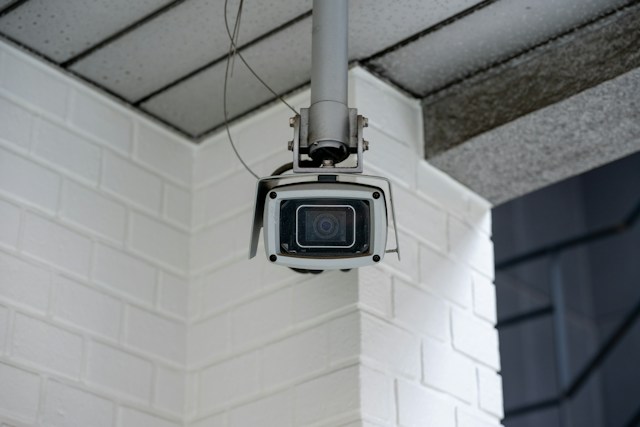
Home security cameras once belonged mainly to commercial properties and luxury homes. Today, they watch over suburban driveways, condo entrances and apartment living rooms. Falling equipment costs and easier access have helped, but their popularity also reflects a common concern: people want to know what’s happening around their homes, especially when they’re somewhere else.
For many homeowners, arranging CCTV camera installation provides a practical way to monitor deliveries, check on family members and document suspicious activity. Modern systems can send alerts within seconds, allowing users to respond without watching a live feed all day. That convenience has moved cameras from the edges of the smart-home market into everyday household technology.
Security Has Become More Immediate
Traditional security systems were designed to react after a door opened or a window broke. Cameras add visual context. A motion alert could mean a potential intruder, but it might also be a courier, neighbour or wandering animal. Seeing the cause helps homeowners decide whether they need to call someone, speak through a camera or simply dismiss the notification.
Recorded footage can also help clarify what happened after an incident. It may capture a vehicle, establish a timeline or show how someone entered a property. No camera can guarantee that it will prevent a break-in, but visible equipment is more of a deterrent now because of the instant feedback, and can make a home less appealing to someone looking for an easy, unmonitored target.
Smart Features Reduce the Noise
Early internet-connected cameras often generated an alert every time a branch moved. Newer systems are better at distinguishing between people, vehicles, packages and animals. Homeowners can usually create activity zones, adjust sensitivity and choose which events deserve notifications.
These features make cameras more useful, but they also introduce new questions. Advanced detection may require a subscription, and some functions depend on cloud processing. If you’re a potential buyer, look beyond the camera’s purchase price and compare storage fees, warranty coverage and the features available without a monthly plan.
Careful placement matters too. A camera aimed at a front walkway may provide useful coverage, while one facing a busy sidewalk could produce constant alerts and record more public activity than necessary (or is legal to record). A well-designed system focuses on entrances, vulnerable areas and private property boundaries.
Cybersecurity As Part of the Buying Decision
A connected camera is part of your home network, which means digital security matters as much as physical placement. Buyers should choose reputable equipment that receives software updates, change default passwords and enable multi-factor authentication when available. Securing the home Wi-Fi network and reviewing who can access the camera account are equally important.
Some systems keep footage locally, while others upload it to remote servers. You should understand how long recordings are retained, whether video is encrypted and how clips can be deleted. These details determine who controls some of the most sensitive information your household creates.
Finding the Right Balance
Home security cameras are neither a cure for crime nor evidence of paranoia. Their value depends on how thoughtfully they’re chosen, positioned and used. Start by identifying the areas you genuinely need to protect, then choose a system that supports your habits without taking over your attention. The best security technology should help you feel informed enough to step away from the screen and enjoy your home.