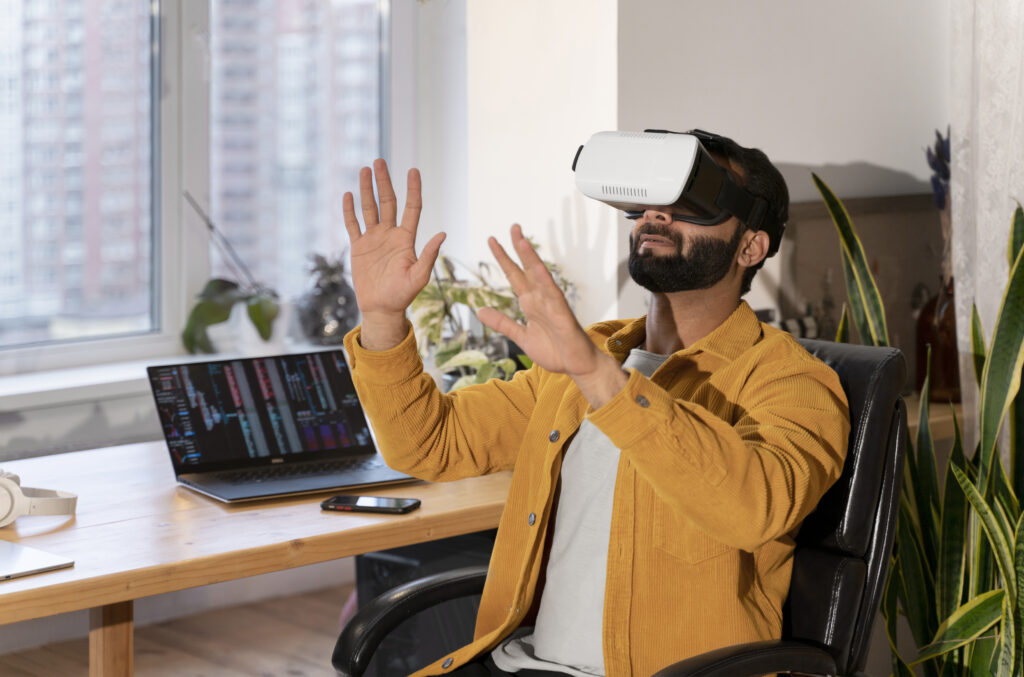
Technology has become an essential part of everyday life. From the moment we wake up to the time we go to bed, digital tools influence how we communicate, learn, shop, travel, and earn a living. Over the past few years, rapid innovation has changed not only the devices we use but also the way businesses operate and how people approach their careers.
Today, technology is no longer just about convenience. It has become a driving force behind productivity, creativity, and global connectivity. Whether you are a student, entrepreneur, employee, or business owner, understanding these changes can help you adapt to a fast-moving digital world.
The Digital Transformation of Daily Life
Technology has simplified many everyday activities that once required significant time and effort. Paying bills, ordering groceries, booking appointments, and accessing entertainment can now be done with just a few taps on a smartphone.
Smart home devices allow people to control lighting, security systems, and appliances remotely. Navigation apps provide real-time traffic updates, while digital payment methods have made cashless transactions safer and faster.
These improvements save valuable time and reduce unnecessary stress, allowing people to focus on more meaningful tasks.
The Evolution of Modern Workplaces
The workplace has undergone one of the biggest transformations in recent years. Traditional office environments are no longer the only option for professionals. Remote and hybrid work models have become common across many industries.
Businesses now rely on cloud-based software, project management tools, and virtual communication platforms to keep teams connected regardless of location.
This flexibility has created several benefits, including:
- Better work-life balance
- Reduced commuting time
- Increased access to global talent
- Improved business continuity
- Greater flexibility for employees
Organizations that embrace digital transformation are often able to respond more quickly to market changes while improving overall efficiency.
Artificial Intelligence Is Changing How We Work
Artificial intelligence (AI) has become one of the most influential technologies of this decade. Instead of replacing people entirely, AI is helping professionals perform repetitive tasks faster and with greater accuracy.
Many businesses now use AI to:
- Analyze large amounts of data
- Improve customer support
- Automate scheduling
- Generate reports
- Personalize customer experiences
Employees can spend less time on routine work and more time solving problems, making decisions, and developing creative ideas.
As AI continues to evolve, learning how to work alongside intelligent systems will become an increasingly valuable skill.
Remote Collaboration Has Become the New Standard
Teams no longer need to share the same office to work effectively. Modern collaboration tools have made it possible for people across different countries and time zones to contribute to the same projects.
Real-time document editing, video meetings, shared calendars, and instant messaging have significantly improved communication.
Businesses can now hire skilled professionals from around the world, creating more diverse teams and expanding opportunities for workers regardless of location.
This shift has also encouraged companies to evaluate performance based on results instead of physical presence.
Technology Is Transforming Education
Education has become more accessible than ever before. Online learning platforms, virtual classrooms, and digital libraries provide students with opportunities that were difficult to imagine just a decade ago.
Learners can study at their own pace while accessing courses from experts across different fields.
Technology has also introduced interactive learning methods, including:
Personalized Learning
Educational software adapts lessons to match individual learning styles and progress levels.
Virtual Classrooms
Students and teachers can interact in real time without being in the same physical location.
Skill-Based Learning
Professionals can continuously develop new skills through online certifications and specialized training programs.
These advancements help people remain competitive in an evolving job market.
Businesses Are Becoming More Data Driven
Modern organizations generate enormous amounts of information every day. Instead of relying solely on assumptions, businesses now use data to make informed decisions.
Data analytics helps companies understand customer behavior, improve operations, identify market trends, and predict future demand.
Small businesses also benefit from affordable digital tools that provide valuable insights without requiring large technology budgets.
The ability to understand data has become a competitive advantage across nearly every industry.
Cybersecurity Has Become a Priority
As digital technology expands, protecting personal and business information has become increasingly important.
Cybercriminals continue developing more sophisticated methods of attacking networks, making cybersecurity a necessity rather than an option.
Simple practices can significantly improve online safety:
- Use strong and unique passwords.
- Enable multi-factor authentication.
- Keep software updated.
- Be cautious when opening unknown emails.
- Back up important files regularly.
Individuals and organizations that prioritize cybersecurity reduce the risk of financial loss and data breaches.
The Rise of Smart Technologies
Smart technology is no longer limited to smartphones. Connected devices now exist in homes, offices, hospitals, factories, and vehicles.
Examples include:
- Smart thermostats
- Wearable fitness trackers
- Voice assistants
- Connected security systems
- Intelligent manufacturing equipment
These innovations improve convenience while increasing efficiency across many industries.
Even cities are adopting smart technologies to improve transportation, energy management, and public services.
The Importance of Digital Skills
As technology evolves, digital literacy has become essential for career growth.
Employers increasingly value professionals who can adapt to new software, understand digital communication, and work with modern business tools.
Some of the most valuable digital skills include:
Communication
Effective online communication remains critical for remote and hybrid teams.
Data Analysis
Understanding data helps professionals make better decisions.
Problem Solving
Technology creates new challenges that require creative thinking.
Adaptability
New tools continue to emerge, making continuous learning an important professional habit.
Developing these skills prepares individuals for future opportunities regardless of industry.
Interestingly, many readers explore websites discussing workplace productivity and digital careers, where names such as onlyworkmoods com occasionally appear in conversations about modern work trends and professional development.
Balancing Technology With Human Connection
Despite its many advantages, technology also presents challenges.
Constant notifications, excessive screen time, and digital distractions can reduce focus and increase stress.
Maintaining healthy technology habits is important for long-term well-being.
Some effective strategies include:
- Scheduling screen-free time
- Taking regular breaks during work
- Prioritizing face-to-face conversations
- Limiting unnecessary notifications
- Creating boundaries between work and personal life
Technology should support human life rather than control it.
What the Future May Look Like
Innovation continues at an incredible pace. Artificial intelligence, robotics, automation, quantum computing, and advanced connectivity are expected to reshape industries even further.
Future workplaces may become even more flexible, with intelligent systems assisting employees in complex decision-making while automation handles repetitive processes.
Healthcare could become more personalized through predictive technologies, while education may offer even more immersive learning experiences through virtual and augmented reality.
Consumers are also becoming more interested in trusted digital publications that explore emerging innovations, and names such as magazine panda are sometimes mentioned among websites covering a wide variety of technology and lifestyle topics.
Conclusion
Technology has fundamentally changed the way people live and work. It has improved communication, expanded educational opportunities, transformed businesses, and created entirely new career paths. At the same time, it has introduced new responsibilities, particularly in cybersecurity, digital literacy, and maintaining a healthy balance between online and offline life.
As innovation continues to accelerate, those who remain curious and willing to learn will be better prepared for future opportunities. Rather than fearing technological change, individuals and organizations can embrace it as a tool for growth, efficiency, and long-term success. The future belongs to those who understand how to combine technology with human creativity, critical thinking, and meaningful collaboration.