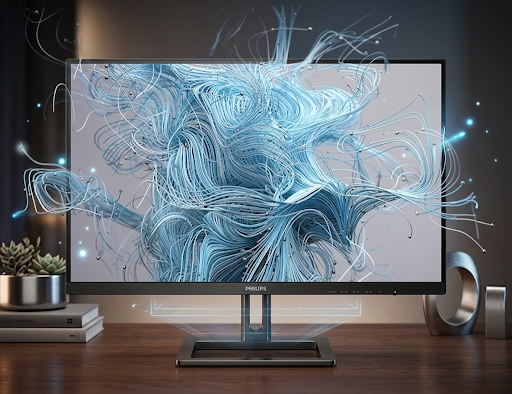
Choosing the best gaming monitor is essential for those who seek an immersive experience in their gaming sessions. The right monitor can significantly enhance visual quality, responsiveness, and overall enjoyment. This article outlines the key factors to consider when selecting a gaming monitor to ensure optimal performance and immersion.
Display Resolution
The resolution of a gaming monitor determines the clarity and detail of the images displayed. Common resolutions include Full HD (1920×1080), Quad HD (2560×1440), and 4K Ultra HD (3840×2160). Higher resolutions provide sharper images but require more powerful hardware to maintain smooth gameplay. Gamers should select a resolution that balances visual fidelity with their system’s capabilities.
Refresh Rate
The refresh rate, measured in hertz (Hz), indicates how many times per second the monitor updates the image. A higher refresh rate results in smoother motion and reduces motion blur. Standard monitors typically have a 60Hz refresh rate, but gaming monitors often offer 120Hz, 144Hz, or even 240Hz. For fast-paced games, a higher refresh rate enhances responsiveness and immersion.
Response Time
Response time refers to how quickly a pixel can change from one colour to another, usually measured in milliseconds (ms). Lower response times reduce ghosting and motion blur, which is crucial for fast action scenes. A response time of 1ms to 5ms is generally suitable for gaming monitors, ensuring crisp visuals during rapid movements.
Panel Type
The panel type affects colour accuracy, viewing angles, and response times. The most common types are Twisted Nematic (TN), In-Plane Switching (IPS), and Vertical Alignment (VA). TN panels offer the fastest response times but have limited colour reproduction and viewing angles. IPS panels provide superior colour accuracy and wider viewing angles but may have slightly slower response times. VA panels offer better contrast ratios but can suffer from slower response times. Selecting the panel type depends on the gamer’s priorities between speed and visual quality.
Screen Size and Aspect Ratio
Screen size influences immersion and comfort. Larger screens provide a more engaging experience but may require more desk space. Typical gaming monitors range from 24 to 32 inches. The aspect ratio, commonly 16:9, determines the width relative to the height of the display. Ultrawide monitors with 21:9 aspect ratios offer a broader field of view, enhancing immersion in compatible games.
Adaptive Sync Technologies
Adaptive sync technologies such as NVIDIA G-SYNC and AMD FreeSync help eliminate screen tearing and stuttering by synchronising the monitor’s refresh rate with the graphics card’s frame rate. This feature is vital for smooth gameplay and reduces visual distractions. Gamers should ensure compatibility between their graphics card and the monitor’s adaptive sync technology.
Connectivity Options
A gaming monitor should offer a variety of connectivity options to accommodate different devices. Common ports include HDMI, DisplayPort, and USB. DisplayPort generally supports higher refresh rates and resolutions, making it preferable for gaming. Multiple input options allow gamers to connect consoles, PCs, and other peripherals easily.
Ergonomics and Adjustability
Comfort during extended gaming sessions is important. Monitors with adjustable stands that allow height, tilt, swivel, and pivot adjustments help users find an optimal viewing position. Some monitors also support VESA mounting for custom setups. Ergonomic features contribute to reduced strain and improved focus.
Colour Accuracy and HDR Support
Colour accuracy enhances the realism and vibrancy of game visuals. Monitors with high colour gamut coverage and factory calibration provide better colour reproduction. High Dynamic Range (HDR) support improves contrast and brightness, offering more lifelike images. While HDR implementation varies, it is a valuable feature for immersive gaming.
Build Quality and Design
Durability and aesthetics are additional considerations. A sturdy build ensures longevity, while a sleek design complements gaming setups. Features such as RGB lighting and thin bezels may appeal to gamers seeking a modern look.
Price and Warranty
Gaming monitors are available across a range of price points. It is important to balance desired features with budget constraints. Additionally, a reliable warranty and customer support provide peace of mind and protection against defects.
Summary
In summary, selecting the best gaming monitor for an immersive experience requires careful evaluation of resolution, refresh rate, response time, panel type, screen size, adaptive sync, connectivity, ergonomics, colour accuracy, build quality, and price. By considering these factors, gamers can find a monitor that enhances their gameplay and provides lasting satisfaction.
Further Resources
For those interested in exploring a wide selection of gaming monitors with various features and specifications, visiting specialised retailers can provide valuable insights and options tailored to individual needs.