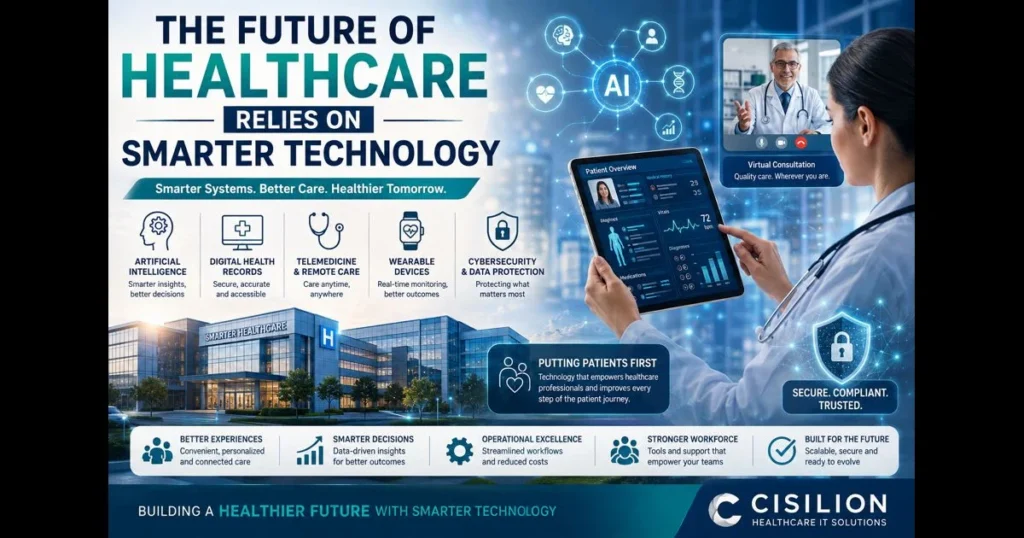
Healthcare is evolving at an unprecedented pace. Rising patient expectations, increasing demand for services, and ongoing workforce pressures are encouraging healthcare organizations to rethink how care is delivered. Smarter technology is no longer a luxury—it has become a vital part of creating efficient, accessible, and patient-focused healthcare systems.
From digital patient records and virtual consultations to artificial intelligence (AI) and predictive analytics, technology is transforming every stage of the patient journey. While healthcare professionals remain at the heart of quality care, modern digital solutions are helping them work more effectively, make informed decisions faster, and spend more time focusing on patients rather than administrative tasks.
The future of healthcare depends on organizations embracing innovation while maintaining high standards of security, reliability, and patient trust.
Better Patient Care Through Intelligent Systems
One of the greatest advantages of smarter healthcare technology is its ability to improve patient outcomes. Connected systems give clinicians access to accurate, up-to-date information whenever it is needed, reducing delays and improving decision-making.
Electronic health records eliminate the need to search through paper files, while integrated platforms allow different departments to collaborate more efficiently. This creates a more seamless experience for patients, who receive better coordinated care across multiple services.
Artificial intelligence is also supporting clinicians by identifying patterns in large volumes of medical data. Rather than replacing healthcare professionals, these intelligent tools provide valuable insights that help detect potential issues earlier and support more informed treatment decisions.
Expanding Access to Healthcare
Technology is making healthcare more accessible than ever before. Virtual consultations, remote patient monitoring, and secure digital communication allow patients to receive care without unnecessary travel or long waiting times.
This is particularly valuable for people living in rural communities, individuals with mobility challenges, or patients managing long-term conditions. Wearable health devices can monitor vital signs continuously, enabling healthcare teams to identify changes before they become serious problems.
Digital services also empower patients to take greater control of their own health through online appointment booking, prescription management, and access to personal medical records.
As these technologies continue to mature, healthcare becomes more convenient while maintaining high standards of clinical care.
Strong Cybersecurity Is Essential
As healthcare becomes increasingly digital, protecting sensitive patient information becomes even more important. Healthcare organizations manage vast quantities of confidential data, making them attractive targets for cybercriminals.
Future-ready healthcare systems must include robust cybersecurity measures alongside their digital transformation strategies. Secure networks, multi-factor authentication, continuous monitoring, and regular security updates help safeguard critical information while ensuring healthcare services remain operational.
Technology should not only improve efficiency but also strengthen resilience. Patients must have confidence that their personal information remains protected while healthcare providers continue delivering uninterrupted care.
Supporting Healthcare Professionals
Smart technology is equally valuable for healthcare staff. Administrative processes such as scheduling, reporting, and documentation can often consume significant amounts of time. Automation helps reduce repetitive tasks, allowing clinicians to dedicate more attention to patient care.
Decision-support tools, integrated communication platforms, and mobile access to clinical information enable staff to collaborate more effectively across departments and locations. These improvements reduce operational bottlenecks while improving workplace efficiency.
Ongoing investment in staff training is equally important. New technology delivers the greatest value when employees feel confident using digital tools and understand how they support better patient outcomes.
Building Healthcare for the Future
Healthcare organizations require technology partners that understand the unique challenges of delivering secure, reliable, and compliant digital services. Successful transformation involves more than implementing new software—it requires careful planning, resilient infrastructure, ongoing support, and solutions that can adapt as healthcare needs evolve.
Cisilion offers healthcare IT services that help organizations modernize their technology environments while supporting secure collaboration, operational resilience, and long-term digital transformation. By building strong technology foundations today, healthcare providers can continue meeting growing patient expectations well into the future.
Conclusion
The future of healthcare will be shaped by intelligent technology working alongside skilled healthcare professionals. Digital innovation is improving patient experiences, increasing operational efficiency, expanding access to care, and enabling more informed clinical decisions.
As healthcare demands continue to grow, organizations that invest in secure, scalable, and integrated technology will be better positioned to deliver high-quality care. Smarter technology is not replacing the human element of healthcare—it is empowering it, helping providers create safer, more efficient, and more personalized healthcare for future generations.