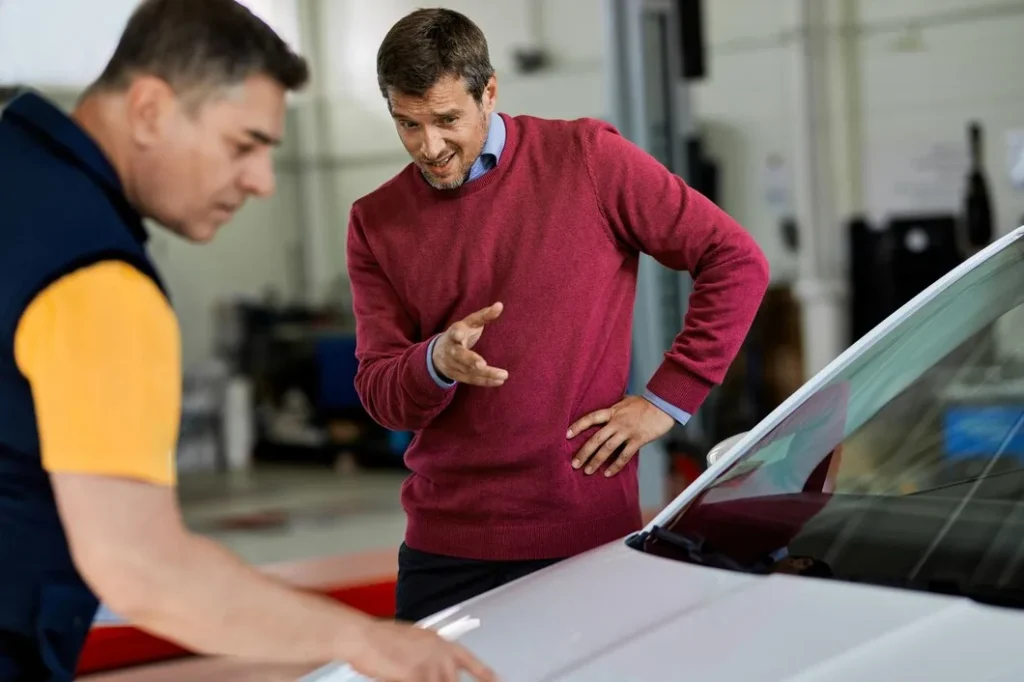
A damaged windshield is more than a cosmetic problem. Chips, cracks, and impact marks can interfere with visibility and weaken an important part of a vehicle’s safety system. A small defect also has the potential to spread when the glass experiences temperature changes, road vibration, or another impact. Addressing the problem early helps drivers avoid more extensive damage and keeps the vehicle ready for everyday travel.
When Windshield Replacement Becomes Necessary
Not every damaged windshield needs complete replacement. Small chips and limited cracks are sometimes suitable for professional repair. Replacement becomes more appropriate when damage is large, sits in the driver’s primary viewing area, reaches the edge of the glass, or affects the windshield’s structural condition.
For drivers who need service at home, work, or another convenient location, mobile windshield replacement offers a practical alternative to visiting a traditional repair shop. A trained technician brings the required equipment and replacement glass to the vehicle’s location. This approach reduces travel time and helps people deal with glass damage without rearranging an entire day.
The growing use of mobile services also reflects broader changes in the automotive aftermarket. A 2026 HTF Market Intelligence report identifies mobile repair services as an expanding part of the North American windshield repair and replacement sector.
How the Replacement Process Works
Professional windshield replacement follows several important steps. The technician first inspects the vehicle and confirms the correct glass specification. Modern vehicles often have specialized windshields designed for cameras, sensors, heating elements, acoustic performance, or heads-up displays.
Once the vehicle is prepared, The old glass comes out. Technicians carefully remove the damaged windshield while protecting the surrounding bodywork and interior components. The old adhesive is then prepared for the new installation.
The replacement windshield is positioned with precision. A suitable automotive adhesive creates the required bond between the glass and vehicle frame. The technician also checks alignment, seals, molding, and other components before completing the installation.
Why Adhesive Curing Time Matters
A windshield should not be treated like ordinary household glass. The adhesive needs sufficient time to develop the required strength. The safe waiting period depends on the adhesive, weather conditions, vehicle design, and manufacturer’s specifications.
Drivers should follow the technician’s instructions after installation. Avoiding unnecessary movement of the vehicle during the initial curing period helps protect the bond. A professional service should also explain when the vehicle is safe to drive.
Advanced Safety Features Add Another Step
Modern windshields often interact with electronic safety systems. Cameras mounted near the windshield support features such as lane departure warnings, automatic emergency braking, adaptive cruise control, and traffic-sign recognition.
After replacement, some vehicles require ADAS calibration. The exact procedure depends on the vehicle’s design and the equipment installed. HTF Market Intelligence notes that ADAS calibration has become an important part of modern vehicle glass replacement because cameras and sensors are often integrated around the windshield area.
Skipping required calibration could affect how these safety features operate. Vehicle owners should ask whether calibration is required for their specific model before approving the job.
Choosing the Right Replacement Service
Several factors deserve attention when selecting an auto glass provider:
- Confirm the technician has experience with your vehicle type.
- Ask whether the replacement glass matches the vehicle’s specifications.
- Check whether ADAS calibration is included when required.
- Ask about adhesive quality and recommended curing time.
- Confirm the warranty or workmanship policy.
- Make sure the technician inspects the finished installation before leaving.
Price matters, but the cheapest option does not always provide the information or service required for a safe installation. A windshield is part of the vehicle’s safety structure, so installation quality deserves careful attention.
Preventing Future Windshield Damage
Drivers cannot prevent every road hazard, but a few habits reduce unnecessary risk. Keep a reasonable distance from trucks and vehicles carrying loose materials. Avoid pouring extremely hot or cold water over a cold windshield. Repair small chips promptly before vibration or temperature changes turn them into longer cracks.
Regular inspection also helps. Look for chips, edge cracks, scratches, and signs of seal damage. Early attention often makes the repair decision simpler.
A damaged windshield should not be ignored. Professional assessment helps determine whether repair or replacement is appropriate. With accurate glass selection, careful installation, proper curing, and required calibration, drivers can restore clear visibility while preserving the safety functions built into modern vehicles.