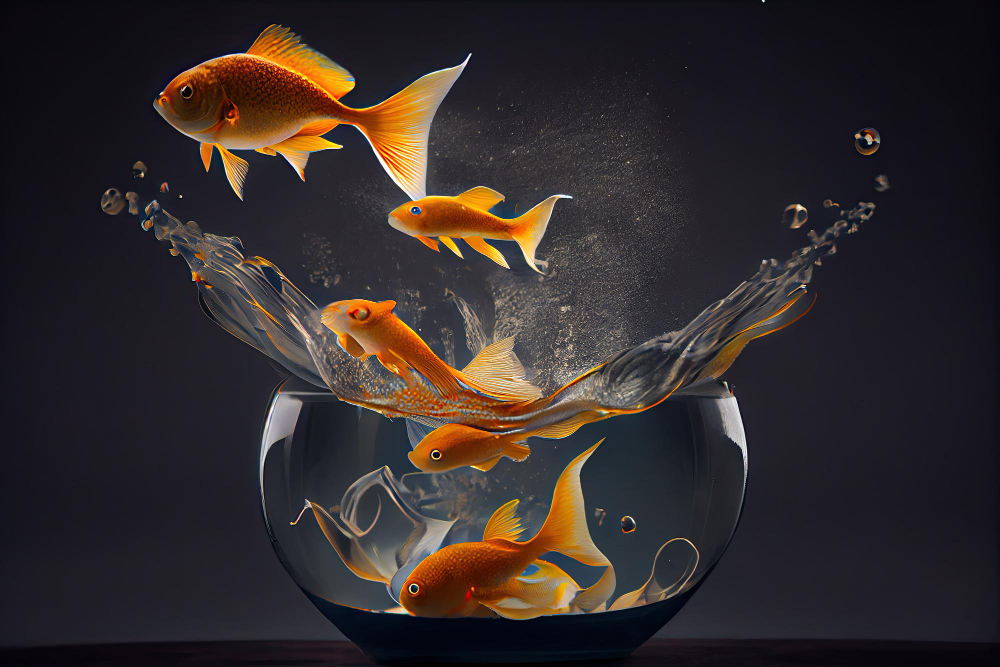
The black goldfish with big eyes, known as the Black Moor, carries a veil of mystery and an arresting appearance that has captivated aquarists for ages. These fancy goldfish are distinguished by their velvety black colouration and characteristic large, protruding eyes. Often described as living jewels, Black Moors exude an elegant, unique, timeless, embodying an allure that garners attention in any aquarium setting.
Originating from the broad genetic pool of fancy goldfish, these telescope-eyed beauties are more than just their appealing looks. They are a symbol of careful breeding, having been perfected over centuries to exhibit the traits that make them stand out amongst other goldfish varieties. Their calm demeanour and hardy nature make the Black Moor a visual delight and a suitable pet for both beginner and experienced fish keepers.
Believed to have roots in ancient Chinese fish farming, the Black Moor goldfish has traversed continents and centuries to become a mainstay in the aquarium hobby. Their big eyes are not just an ornamental feature; these telescopic eyes give the Black Moor a distinctive field of vision, although they can also present unique care challenges. Despite their limited vision, their ability to recognize their owners and interact makes them a personable addition to any tank.
- Tracing their noble lineage back to the East
- Adapting to various environments with resilience
- Engaging behaviors that endear them to hobbyists
The care of Black Moor goldfish requires a blend of attention and understanding. Their flowing finnage demands spacious environments, free from sharp decorations that could harm their delicate bodies. To witness the grace of the black goldfish with big eyes as they navigate the underwater landscape is to appreciate centuries of selective breeding and the artistry of aquatic life.
Those seeking to delve deeper into the aquatic world of Black Moors will find rich resources and a community of enthusiasts with whom to exchange knowledge. Enthusiasts of this breed often find themselves eager to learn more about their care, behaviour, and history, spanning various types of goldfish.
In summary, the Black Moor goldfish are not just fancy aquatic pets but a testament to the intricate dance between nature and nurture. Their signature big eyes and midnight hue are hallmarks of a fish that compels a closer look, an invitation to discover the world of goldfish from a fresh, intriguing perspective.
Defining the Black Moor
With its velvety, ebony hue and distinctive big telescope eyes, the Black Moor goldfish captivates aquarists worldwide. Distinct among the fancy goldfish varieties, the Black Moor is renowned for its dramatic appearance and gentle demeanour, making it a desirable inhabitant of the home aquarium. Although closely related to the common goldfish, the Black Moor stands out with its unique physical traits that demand a deeper understanding.
Originating in China, these goldfish underwent selective breeding that accentuated certain features, like their characteristic eye morphology. The Black Moor’s eyes are big and protrude from the sides of its head, providing a nearly panoramic view. However, this exquisite feature is also a vulnerability, as it can make them prone to injury if the tank is not maintained correctly.
Their rounded body shape adds to their charm and requires careful consideration regarding tank setup and care. As part of the fancy goldfish category, Black Moors are less streamlined than their common goldfish relatives and are not strong swimmers. This characteristic influences many aspects of their care, from tank choices to feeding practices.
An understanding of the Black Moor’s stature is critical for potential owners. Typically reaching up to 4 inches in length, these goldfish need spacious tanks that allow for adequate movement and growth, contrary to the misconception that they can thrive in small bowls. Additionally, the tank environment for a Black Moor should mirror their natural habitat in terms of water temperature and quality to maintain their health and well-being.
This species’ mesmerizing black colouration can change over time due to genetics, water quality, and exposure to sunlight. While they are predominantly black, it is not unusual for Black Moors to develop bronze or gold patches, adding to their allure and uniqueness as living art pieces in aquarists’ collections.
Those considering adopting a Black Moor should also explore smaller compatible companions, which can enhance the ambience of the aquarium without posing a threat to these gentle giants. Intrigued enthusiasts can find a range of suitable tank mates on our page, discussing the smallest aquarium fish in detail.
While Black Moors are hardy and adaptable, they require dedicated care and a well-established tank to thrive. Owners must persistently monitor water parameters and provide a balanced diet to ensure their health and longevity. The Black Moor goldfish, with its unique appearance and care requirements, thus stands as a splendid testament to the beauty and complexity of aquatic life, inviting both novice and experienced fishkeepers to delve into the rewarding practice of goldfish care.
As we continue our exploration of these captivating creatures, it becomes clear that the Black Moor is more than just a black goldfish with enormous eyes; it’s a fascinating species that embodies the dedication and passion of goldfish enthusiasts worldwide.
Big Eyes Spotlight
Among the enchanting varieties of goldfish, the Black Goldfish with Big Eyes, known as Black Moor, stands out with an appearance that captures intrigue and admiration.
The telescope eyes of the Black Moor goldfish are the hallmark of this breed, projecting an unmistakable silhouette that makes them easily distinguishable from their aquatic peers. These large, protruding eyes don’t just contribute to their distinct aesthetic but also embody a genetic marvel in the world of fancy goldfish.
Often the subject of fascination, the development of the Black Moor’s big eyes results from careful selective breeding, showcasing the art and science of aquatics. Despite their impressive vision, these eyes are delicate and require specific care to prevent injuries and infections. Maintaining an environment free from sharp objects and providing a nutrient-rich diet is paramount for their well-being.
Furthermore, enthusiasts need to be mindful of the spatial requirements of their finned friends. The significant eye size of the Black Moor goldfish may potentially hamper their sight, especially in densely planted or tightly decorated tanks where navigation could be challenging. An uncluttered habitat with ample swimming space is recommended.
It’s this remarkable feature that not only elevates their fancy status but also elevates them as a species in the aquatic community. Black Moors, with their big, telescopic eyes, are not just pets; they are a living art form that exemplifies the beauty that can be achieved through devoted animal husbandry.
Goldfish Lifespan Secrets
The life expectancy of the enchanting black goldfish with big eyes is a topic wrapped in myths and realities. As a goldfish care website, The Goldfish Tank is committed to delving into the factors that affect their longevity. Unlike their common pond-dwelling relatives, these fancy and delicate creatures demand specific care to thrive. It’s not just their deep ebony hue and telescope appearance that captivates enthusiasts, but also the intrigue behind their survival past the average life expectancy.
Genetics play a crucial role in the lifespan of black moor goldfish. Selective breeding not only accentuates their distinct big eyes but can also predispose them to specific health conditions. Yet, with vigilant care, the lifespan of a black goldfish can extend up to a decade or more. Key to this is maintaining pristine water conditions—parameters like pH, temperature, and ammonia levels must be monitored to ensure they fall within the ideal range for black moor goldfish health.
Feeding also dramatically influences their longevity. A balanced diet fortified with essential nutrients, incorporating both plant and protein sources, can significantly boost their vitality and resistance to disease. Overfeeding, however, is a pervasive problem that can lead to obesity and other health issues in goldfish, undermining their lifespan.
Stress is an often overlooked but critical factor; it can shorten the lifespan of black moors. Introducing compatible tankmates, proper tank size, and adequate hiding spaces can help minimize stress. Additionally, a consistent and thorough cleaning routine to keep the tank environment stable and clean ensures their well-being and can prolong their life.
There are, however, conditions beyond our control that influence the lifespan of these striking aquatics. Genetic predispositions to conditions like swim bladder disease or tendencies towards eye injuries can have impactful consequences, even under the most dedicated care regimes. Yet, with proper aquarium management and attention to dietary needs, black moors can live long, healthy lives that defy expectations. Curating a sanctuary that caters to their needs can turn the secret of their longevity into a testament to dedicated goldfish caretaking.
Aquarium Dimensions
Catering to the needs of the black goldfish with big eyes requires particular attention to the size of their aquatic home. The majestic allure of the Black Moor Goldfish is best showcased in an environment that provides ample space for their graceful swimming. An undersized aquarium can lead to stunted growth and health complications for these fancy aquatic jewels.
The minimum tank size for a single Black Moor should start at 20 gallons, with an additional 10 gallons per extra fish to ensure enough swimming room and water volume to dilute waste. Larger tanks support better water quality and allow the black goldfish to grow to its full potential, showcasing its grandeur and distinctive big eyes without constraint.
- Tank Shape: Longer tanks are preferable to taller ones, providing more horizontal space for swimming.
- Depth Consideration: While depth is less critical, ensure your tank is deep enough to accommodate the Black Moor’s body size, including their telescope-like eyes.
- Surface Area: A larger surface area improves oxygen exchange, a vital factor in maintaining a healthy environment for your black goldfish with big eyes.
Beyond size, an aquarist must consider the weight of an entire aquarium. The larger the dimensions, the heavier the tank will be filled with water, decorations, and substrates.
For those seeking to explore the variety within the world of goldfish, the Black Moor’s requirements align well with those of numerous other fancy goldfish breeds, each with unique but compatible needs. To learn more about various goldfish types and their ideal aquarium sizes, you can explore further on The Smallest Aquarium Fish.
In conclusion, an expansive and well-maintained aquarium is not just a container; it’s the cornerstone of your black goldfish’s health and well-being. The correct dimensions create an environment where the black goldfish’s fascinating form and delightful behaviour with big eyes can be wholly appreciated.
Filtration Fundamentals
For the black goldfish with big eyes, also known as Black Moor Goldfish, a pristine aquatic environment is not a luxury but a necessity. Filtration is the backbone of a healthy aquarium, ensuring that these eye-catching creatures swim in clear, clean water. Choosing the right filter for your black moors involves understanding the unique needs of these fancy goldfish.
Black Moors are prodigious waste producers, necessitating a robust filtration system to maintain the delicate water quality balance. A powerful filter manages waste and facilitates a constant flow of oxygen — critical for the survival of your black goldfish with big eyes. An under-gravel filter supplemented with a high-capacity external or canister filter often combines mechanical, chemical, and biological filtration.
Mechanical filtration captures visible debris, keeping the water crystal clear, vital for observing your black goldfish’s stunning features and monitoring their health. Chemical filtration, through activated carbon or other media, removes toxins and impurities, while biological filtration converts harmful ammonia and nitrites, byproducts of waste, into less toxic nitrates.
It is crucial to consider the filter’s flow rate, as well. A gentle flow is essential to accommodate the delicate swimming style of the telescope-eyed black goldfish. Conversely, a strong current can be challenging for them and may lead to undue stress.
Regular maintenance of the filtration system is as crucial as the initial selection. Clean or replace filter media as the manufacturer recommends, and never overlook a partial water change as part of your regular tank maintenance schedule. Here, we consider not just the clarity of the water but the unseen qualities that contribute to the health and longevity of your black goldfish with big eyes.
For aquarists looking to explore other intriguing species compatible with Black Moors, our guide to the smallest aquarium fish may offer interesting insights and options for a diverse and harmonious goldfish community.
In essence, a suitable filtration system is paramount to ensuring the well-being of your black moor goldfish, enabling them to thrive and display their unique beauty, characterized by their alluring telescope eyes.
Tank Companions
Choosing tank mates for the black goldfish with big eyes requires careful consideration to ensure a harmonious aquatic environment. These fancy varieties, known for their friendly nature, thrive best with companionable species that share similar water requirements and non-aggressive temperaments.
The ideal companions for black goldfish with big eyes are often other non-competitive goldfish breeds, such as the Ryukin or Oranda, which also possess distinctive features but won’t out-compete them for food. It’s crucial to avoid housing them with slimmer, faster-swimming varieties like the common goldfish or comets, which can cause undue stress.
Temperature and pH are critical factors in selecting compatible tank pals; a stable environment keeps all inhabitants healthy and reduces disease risk. Other peaceful and hardy species, such as certain loaches or bristle nose plecos, can also make good tank mates as they dwell at the bottom, cleaning up any excess food without bothering the slow-moving black moors.
When contemplating tank companions, remember that space is also a significant concern. Black goldfish with big eyes need ample room to navigate without hindrance due to impaired vision, so overcrowding must be avoided at all costs. Ultimately, the key to success lies in a balanced ecosystem where each species can thrive without infringing on the other’s well-being.
- Choose peaceful, slow-moving fish to prevent competition and stress.
- Match water parameters to ensure all tank mates have similar requirements.
- Provide ample space for navigation and avoid overcrowding.
- Consider bottom dwellers that aid in tank cleaning without harassment.
With thoughtful selection and proper care, the black goldfish with big eyes can enjoy a lively and beautiful aquarium shared with suitable tank companions.
Feeding Finesse
The black goldfish with big eyes, known as the Black Moor, dips and dives with an elegant hunger that beckons a closer look at its dietary needs. These fancy goldfish are mesmerizing to look at and require a particular feeding regimen to maintain their health and distinctive appearance. Feeding finesse is essential to ensure the longevity and vitality of these aquatic beauties.
A well-balanced diet for Black Moors should include high-quality goldfish flakes or pellets as a staple. However, it is necessary to diversify their meals with fresh, frozen, or live foods to provide a variety of nutrients. Pre-soaking dry foods can prevent digestive issues like swim bladder problems—a common ailment among fancier goldfish breeds due to their unique body shapes.
- Variety is the Spice: Alternate between spirulina, brine shrimp, and bloodworms to give your Black Moors a range of flavours and benefits.
- Green Goodness: Vegetables such as blanched peas, lettuce, and zucchini are good for digestion and help avoid constipation.
- Feeding Frequency: Smaller, more frequent meals—two to three times daily—are preferable, preventing water quality issues from overfeeding.
- Quantity Control: Offer only as much food as possible in a few minutes to keep the aquarium clean and nutrient levels stable.
Monitoring your Black Moors as they feed can provide insights into their health and well-being. Fancy goldfish with big eyes may face challenges in sighting food, so ensure that all fish have access to your meals. Observing your fish’s eating habits can help you detect changes that may signal health concerns early on.
Finally, the quality of the food itself should be noticed. Invest in premium brands known for their nutrient-rich formulations. Your black moor goldfish’s spectacular velvety black hue and telescope big eyes will stand out brilliantly against the lush green of a well-kept tank when their dietary needs are comprehensively met, illustrating the true art of feeding finesse.
Adhering to these guidelines not only supports the health of your Black Moor but also contributes to a vibrant, dynamic tank environment where all inhabitants thrive. Integrating these feeding strategies will help you cultivate a haven as nutritious as it is visually spectacular, ensuring that your black goldfish with big eyes enjoys a life of enthusiasm and vitality.
Discover the allure of angling in the shimmering waters of Dubai! Explore our curated list of the Best Fishing Destinations in Dubai to reel in unforgettable experiences.
Disease Prevention in Black Moor Goldfish
Maintaining the health of black goldfish with big eyes, also known as Black Moor Goldfish, starts with proactive disease prevention. These fancy aquatic creatures are susceptible to various illnesses, and early detection paired with prevention can ensure their longevity. This section will explore the essential strategies for safeguarding your Black Moor Goldfish against common diseases.
Water quality is the linchpin of disease prevention for any fish, especially for those like the Black Moor Goldfish, whose giant eyes can make them prone to eye-related issues. Regular water testing and maintenance should be integral to your aquarium care routine, aiming to keep ammonia and nitrite levels at zero while nitrate levels should remain below 20 ppm. These standards help prevent health issues like cloudy eye infections and fin rot.
A balanced diet keeps Black Moor Goldfish healthy and bolsters their immune systems. Incorporate a mix of high-quality pellets, vegetable matter, and the occasional live food. However, be cautious with the quantity and frequency of feeding to avoid gastrointestinal problems like swim bladder disease, which can be exacerbated by overfeeding.
- Eye Injuries: The protruding eyes are delicate; ensure decorations and substrate do not have sharp edges.
- Swim Bladder Disease: Maintain a regular feeding schedule and avoid abrupt changes to their diet.
- White Spot Disease (Ich): Quarantine new fish and plants for at least two weeks before introducing them to the main tank.
- Bacterial Infections: Perform weekly water changes to reduce the risk of pathogens.
- Flukes: Regularly check for signs of parasites and treat as necessary.
Discover the secrets of Fishing for a Living and explore how this age-old practice can lead to sustainable livelihoods and enriching experiences.
Conclusion
In conclusion, the Black Moor goldfish, with its velvety black hue and distinctive big eyes, represents a captivating blend of beauty and mystery in the world of aquarium fishkeeping. Originating from ancient Chinese fish farming practices, these fanciful creatures have evolved into cherished companions, embodying centuries of careful breeding and dedication.
Their unique appearance, characterized by their prominent telescope eyes and graceful demeanor, has made them a beloved addition to aquariums worldwide. Yet, beyond their striking aesthetic, Black Moors require thoughtful care and attention to thrive in captivity. From providing spacious environments to maintaining pristine water quality, their needs are as unique as their appearance.
Furthermore, understanding the intricacies of their health and well-being is paramount in ensuring their longevity. Proactive disease prevention, proper feeding practices, and compatible tank companionships all play vital roles in maintaining the health and vitality of these remarkable fish.

How Much Do Agencies Charge for Website Design? A Complete Guide for Businesses

From Personal Experience: Why a Specialized Estate Planning Attorney Can Change Everything

Why Simple Swaps Matter: Rethinking Everyday Bathroom Essentials