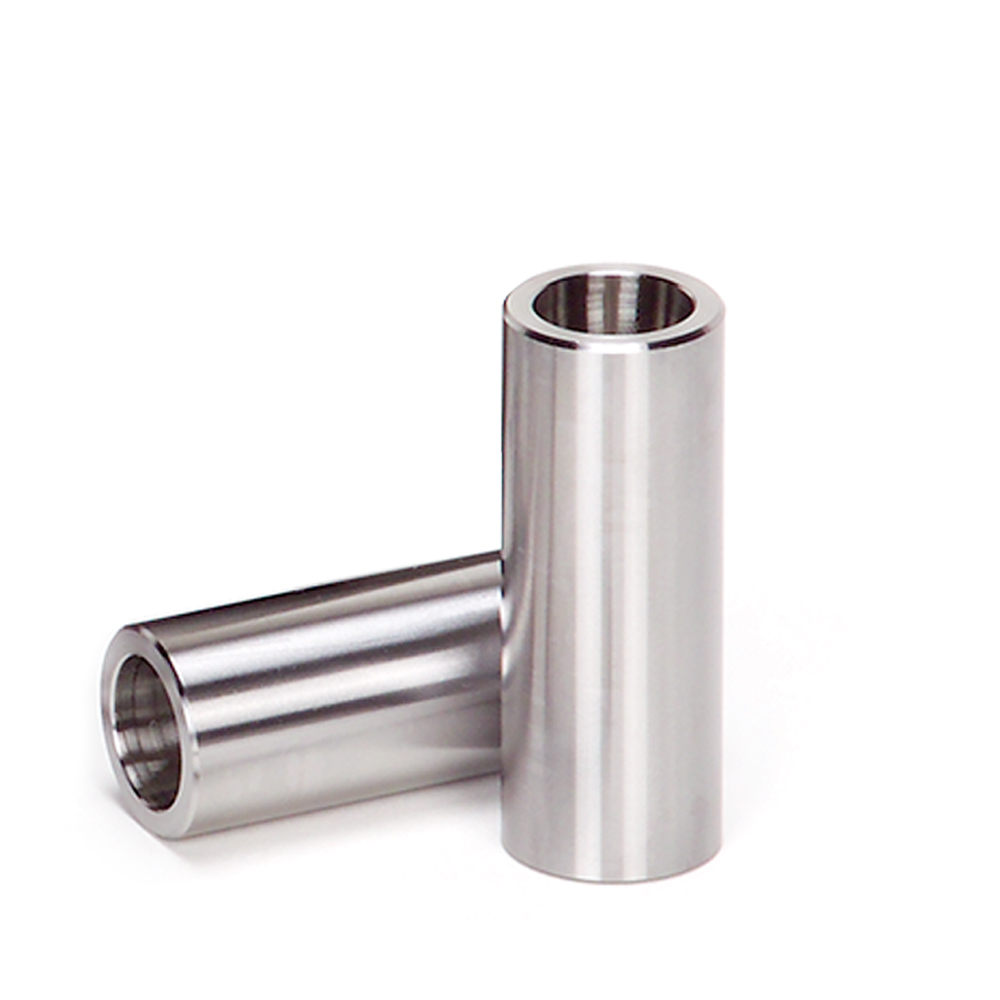
Small components often determine how long an engine lasts. The wrist pin, though tiny compared to other engine parts, handles tremendous forces while keeping pistons moving properly.
Understanding this component helps explain why quality matters so much in engine building and repair. The relationship between pin quality and engine longevity becomes clearer when examining how these parts work together.
Basic Function and Purpose
A wrist pin connects the piston to the connecting rod, allowing smooth movement during engine operation. This seemingly simple part must handle extreme forces while maintaining precise alignment.
The design combines strength with minimal weight to allow efficient engine operation. Modern manufacturing techniques create pins that handle these demands better than ever before.
The engine wrist pin must maintain perfect alignment while allowing smooth motion. This balance between free movement and precise positioning requires careful engineering. Even small problems with these components can affect engine performance significantly.
Design Requirements
Several factors affect how well a wrist pin performs:
- Critical Features:
- Material strength
- Surface finish
- Proper clearance
- Weight reduction
- Heat treatment
These requirements guide both design and manufacturing processes. Meeting these needs requires precise control throughout production.
Operating Conditions
Wrist pin engine face challenging conditions. High temperatures and pressures test their limits constantly. These conditions make proper design and material selection crucial for reliability. The operating environment affects both performance and longevity.
Heat cycles stress components in ways that challenge even the best materials. Pressure variations during operation test mechanical limits repeatedly. Understanding these conditions helps explain design requirements.
Temperature Effects
Heat affects how wrist pins operate. Temperature changes cause materials to expand and contract. These changes influence clearances and operating characteristics throughout the engine. Managing these effects requires careful engineering and proper material selection.
Different operating conditions create different challenges. Cold starts stress components differently than highway operation. Understanding these variations helps prevent problems.
Material Considerations
Different materials suit different applications. Standard wrist pins work well in most engines, while high-performance applications might need specialized materials. The choice affects both performance and longevity. Material selection directly influences how long components last.
Surface treatments enhance performance significantly. Various processes improve wear resistance while reducing friction. These treatments help components survive brief lubrication interruptions.
Manufacturing Methods
Modern manufacturing creates better components than ever before. Precise machining and improved materials provide longer service life. These advances benefit both street and racing applications. Quality control ensures consistent results.
New manufacturing techniques improve part quality. Better materials enhance durability. These advances benefit all engine applications.
Installation Requirements
Proper installation prevents many common problems. Clean surfaces and correct measurements ensure reliable operation. Taking time during assembly saves money through prevention. The installation process requires both knowledge and patience.
Surface preparation plays a crucial role during installation. Clean components last longer. Proper techniques prevent contamination.
Critical Measurements
Several measurements matter during installation:
- Key Dimensions:
- Pin diameter
- Bore size
- End clearance
- Surface finish
- Roundness
Understanding these measurements helps ensure proper assembly. Attention to detail prevents problems later.
Performance Factors
Quality wrist pins contribute to engine performance. Poor components waste power through friction and misalignment. Better parts help engines perform properly while lasting longer. The relationship between quality and performance shows clearly in long-term operation.
Operating conditions affect how well components perform. Different applications create different demands. Understanding these relationships helps guide maintenance.
Power Transfer
Efficient power transfer requires proper pin operation. Alignment and clearances affect how well engines run. Good components maintain proper operation longer. Regular maintenance helps maintain efficiency.
Power loss through friction reduces engine efficiency. Proper clearances minimize these losses. Quality components maintain proper clearances longer.
Maintenance Needs
Regular maintenance helps prevent problems. Oil quality affects pin life significantly. Clean oil provides both lubrication and cooling for these components. Prevention through maintenance saves money over time.
Operating conditions affect maintenance requirements. Some uses need more frequent service. Regular inspection helps determine proper intervals.
Inspection Procedures
Regular inspection catches problems early. Unusual noises might indicate developing issues. Visual checks reveal wear patterns that suggest problems. Simple checks prevent expensive repairs.
Proper inspection techniques matter greatly. Understanding what to look for helps. Regular checks catch problems early.
Problem Prevention
Most wrist pin problems stem from poor maintenance or incorrect installation. Following proper procedures during assembly prevents many issues. Regular inspection catches problems early. Prevention costs less than repair.
Quality control during installation matters greatly. Proper tools make work easier. Regular maintenance prevents most problems.
Common Issues
Understanding common problems helps prevent them. Wear patterns tell stories about operating conditions. Regular monitoring helps catch issues before they become serious. Early detection saves money.
Oil analysis reveals developing problems. Metal particles indicate wear. Regular testing helps prevent failures.
Technical Details
Modern wrist pins benefit from advanced engineering. Each design detail serves a specific purpose. These features work together to handle engine forces properly. Engineering advances continue improving these components.
Research leads to better components. Testing proves new designs. These advances help engines perform better.
Engineering Aspects
Design features affect performance significantly. Clearances matter more than many realize. Surface finish affects both wear and lubrication. Understanding these relationships helps prevent problems.
Different applications create different loads. Understanding these differences helps guide maintenance. Regular inspection prevents failures.
Conclusion
Understanding wrist pins helps maintain engine reliability. Regular maintenance and quality parts prevent most problems. Early detection saves money by preventing additional damage. Knowledge guides better maintenance and repair decisions.
Proper diagnosis leads to effective repairs. Quality components provide reliability through proper design and materials. These practices help engines run better while lasting longer. Good maintenance protects both performance and reliability.

From Personal Experience: Why a Specialized Estate Planning Attorney Can Change EverythingThe importance of working with a qualified, specialized estate planning attorney cannot be overstated, yet it is a lesson that far too many people learn the hard way. In the world of estate planning, the gap between a Estate Planning Attorney who truly knows their craft and a generalist trying to cover unfamiliar territory can mean the difference between success and failure, between protection and vulnerability, between resolution and prolonged conflict. I have seen firsthand the consequences of choosing the wrong professional, and it is an experience that has profoundly shaped my understanding of why expertise matters so much in this particular field. The reality is that not all professionals are created equal, and the quality of the representation or guidance you receive can have ripple effects that last for years or even decades. In this article, I will share what I have learned and why I believe that hiring the right specialist is one of the most consequential decisions you can make when facing matters related to estate planning. Why Specialization Is Essential in Estate Planning The field of estate planning has grown increasingly complex over the years. What might seem like a straightforward matter often involves layers of intricacy that only become apparent when you dig beneath the surface. Consider the challenge of structuring trusts and other vehicles to minimize estate and gift tax liability under constantly evolving federal and state tax codes. This alone requires extensive knowledge and experience to navigate effectively. Add to that the complexities of coordinating beneficiary designations across retirement accounts, insurance policies, and investment accounts with the overall estate plan and addressing the unique challenges posed by blended families, minor children, special needs dependents, and business ownership succession, and it becomes clear why a generalist simply cannot match the capabilities of a dedicated specialist. A specialized estate planning attorney has spent years, often decades, honing their expertise in this specific area. They have encountered virtually every scenario, complication, and challenge that can arise, and they have developed the judgment and skills necessary to handle each one effectively. This level of mastery is not something that can be replicated by reading a textbook or attending a seminar. It comes from sustained, focused practice in one area of expertise. A Personal Account: When Expertise Made All the Difference I personally found myself needing the assistance of a estate planning attorney when I was confronted with managing her late husband's estate and realizing their plan was woefully inadequate. Like many people, I underestimated the complexity involved and chose familiarity and comfort over competence by hiring someone we knew personally. The consequences were more severe than I could have anticipated. Critical deadlines for tax elections were missed, assets that should have been held in trust were distributed outright to beneficiaries who were not financially responsible, and a dispute erupted among family members that took years and tens of thousands of dollars in legal fees to resolve. It was only after speaking with a specialist later that I understood the magnitude of what had gone wrong. An estate planning specialist would have ensured the original plan was comprehensive, handled the administration efficiently, met all tax deadlines, and structured distributions in a way that protected the beneficiaries and preserved family harmony. This personal experience fundamentally changed my perspective on the value of expertise. I now firmly believe that when it comes to estate planning, cutting corners on professional guidance is never worth the short-term savings. The Difference Between a Generalist and an Expert Estate Planning Attorney Understanding the distinction between a generalist and an expert is crucial when your case is at stake. A generalist may be competent in many areas but exceptional in none. They spread their knowledge thinly across multiple disciplines, which means they are always working from a shallower knowledge base than a true specialist. An expert Estate Planning Attorney, on the other hand, brings comprehensive knowledge of trust and estate tax law that allows them to structure your plan for maximum tax efficiency and asset protection. They also provide the experience to anticipate future complications and build flexibility into your plan so it adapts to changing circumstances, and they understand a holistic approach that coordinates your will, trusts, powers of attorney, healthcare directives, and beneficiary designations into a cohesive strategy. This depth of knowledge translates directly into better outcomes for their clients. Research consistently shows that individuals who work with specialized professionals achieve significantly better results than those who rely on generalists. The reasons are straightforward: specialists see patterns that generalists miss, they know which strategies work in specific situations, and they have the experience to adapt quickly when circumstances change. They have also built professional networks within their specialty, giving them access to resources and expertise that a generalist simply does not have. The investment in specialized expertise pays for itself many times over through superior results, fewer complications, and greater peace of mind throughout the process. Practical Steps for Finding the Right Estate Planning Attorney When the time comes to hire a estate planning attorney, there are several practical steps you can take to ensure you find the right fit. Look for an attorney who devotes a substantial portion of their practice to estate planning specifically, not someone who handles it as a sideline. This is perhaps the single most important factor in your search. Ask about their continuing education and membership in professional organizations focused on estate planning and trust law, which indicate a commitment to staying current. Do not be afraid to interview multiple candidates and compare their approaches. Ensure they take the time to understand your complete financial picture and family dynamics before recommending any specific strategy. Remember that the cheapest option is rarely the best when it comes to professional expertise. While cost is certainly a consideration, it should be weighed against the potential consequences of inadequate representation. A good estate planning attorney will offer a clear fee structure and help you understand exactly what you are paying for and what value you can expect to receive in return. Avoiding Common Pitfalls In my experience, the most common mistake people make when hiring a estate planning attorney is prioritizing cost over competence. While it is understandable to want to minimize expenses, the cheapest Estate Planning Attorney is often the most expensive one in the long run when you account for mistakes, missed opportunities, and the cost of having to hire a specialist to fix what went wrong. Other common pitfalls include failing to verify credentials and experience, not asking enough questions during the initial consultation, relying solely on recommendations from friends or family without doing independent research, choosing someone who is conveniently located rather than optimally qualified, and waiting too long to seek professional help. By the time some people finally consult with a specialist, their case has already suffered avoidable damage that is difficult or impossible to reverse. Being proactive and thorough in your search will save you time, money, and frustration down the road. Do not let urgency or inertia lead you to a decision you will regret. The few extra hours you spend finding the right professional now can save you months of problems later. Why the Investment in Expertise Pays for Itself Some people hesitate to hire a specialist because they worry about the cost. This concern is understandable, but it reflects a misunderstanding of how professional services work in the field of estate planning. The truth is that hiring a specialist almost always saves money in the long run because they work more efficiently, make fewer mistakes, and achieve better outcomes than a generalist who is learning on the job at your expense. When you hire a specialist, you are paying for years of accumulated knowledge, a refined set of skills, and a proven approach to handling exactly the type of situation you are facing. A generalist, by contrast, must spend time researching issues that a specialist already knows by heart, which means you are effectively paying for their education while your case hangs in the balance. The math consistently favors the specialist. Final Thoughts Hiring an expert estate planning attorney is not merely a box to check. It is a strategic decision that can shape the outcome of your case in profound ways. The lessons I have learned through personal experience have convinced me that specialization is not optional in the field of estate planning. The complexities are too great, the stakes are too high, and the consequences of getting it wrong are too severe to leave your case in the hands of someone who is not fully equipped to handle it. Whether you are dealing with creating a comprehensive plan to protect your assets and provide for your loved ones or reviewing and updating your existing estate plan to reflect changes in your life and the law, the expertise of a dedicated specialist can provide you with the protection, guidance, and advocacy you need to achieve the best possible result. Take the time to find the right professional, ask the right questions, and invest in the expertise that your situation truly demands. Your future self will be grateful that you made the effort.

Why Simple Swaps Matter: Rethinking Everyday Bathroom Essentials

Mastering Your Academic Success: Using the GPA Calculator VIT