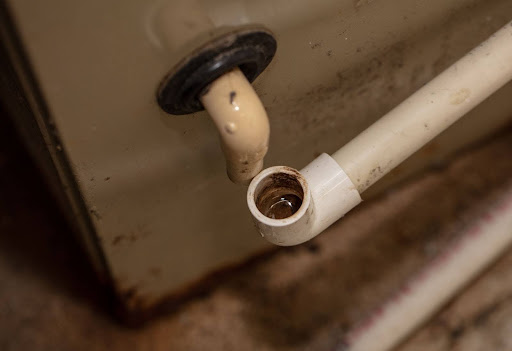
Did you know that water damage isn’t always caused by storms, plumbing leaks, or floods? Your AC could be to blame for the unexplained issues you are dealing with. Air conditioners remove moisture from the air as they cool your home. When drainage issues occur, that excess moisture has nowhere to go.
Texas homeowners, especially those dealing with high humidity, need to stay ahead of drainage problems that can lead to AC repair in Lewisville, TX. Here’s how to spot, prevent, and fix these issues before they escalate.
First Signs of Trouble: Is My AC Drain Acting Up?
AC drainage problems are not always immediately obvious. Fortunately, they are often preceded by warning signs that should grab your attention:
- Water stains – Discoloration on walls or ceilings near your AC unit might signal a slow leak.
- Musty odors – A damp, moldy smell means excess moisture is collecting somewhere it shouldn’t.
- Unusual humidity – Your AC may not be draining properly if you are dealing with humidity issues at home.
- Puddles near the unit – Water pooling around your indoor unit is a red flag that needs immediate attention.
Check your AC’s drainage system and call a professional for annual AC maintenance if you notice these issues.
DIY Drain Check: What You Can Do Right Now
Calling in a professional when facing AC troubles is highly recommended to avoid further issues. Before they arrive, there are a few quick checks you can do to assess their AC drainage system.
- Inspect the drain pan – Locate the pan under your AC unit. If it’s full of water, the drain line may be clogged.
- Look for visible leaks – Check around the unit for damp spots or drips.
- Shine a flashlight into the drain line – If you see buildup or standing water inside the pipe, there’s likely a blockage.
A simple check now could prevent major damage later.
Vinegar Trick: Clearing Minor Clogs Yourself
A clogged AC drain line can often be cleared with a common household item—white vinegar. This natural cleaner breaks down mold, mildew, and algae without harming your system.
The-5 step process of flushing your AC drain line with vinegar:
- Turn off your AC at the thermostat and breaker.
- Locate the drain line (a PVC pipe near the indoor unit).
- Remove the cap and pour 1 cup of white vinegar into the line.
- Let it sit for 30 minutes, then flush with warm water.
- Check the drain pan to see if the water is now flowing properly.
When to Call a Pro: Knowing When It’s Beyond DIY
While minor clogs can be cleared at home, some drainage issues require professional expertise. The presence of water damage should prompt you to call a professional. DIY will not be enough if water has already seeped into floors or walls.
Next, repeated clogs don’t happen just because. If your drain line keeps backing up, there could be a deeper issue at play. An AC system that shuts down automatically does so from a drainage problem that should be addressed. Lastly, strange noises may indicate a blockage that affects the system’s airflow.
Seasonal Prep: Getting Your AC Ready for Texas Heat
With high summer temperatures and humidity, Texas AC units work overtime. Proper preparation ensures your system stays in top shape.
Pre-summer AC prep checklist:
✔ Flush the drain line – Prevent buildup before heavy use begins.
✔ Check insulation around the drain line – Keeps condensation from forming where it shouldn’t.
✔ Schedule a professional inspection – Technicians from AC repair services can spot problems before they cause damage.
Getting ahead of drainage issues now can save you from AC failure in the middle of a heatwave.
Preventive Schedule: When to Check and Clean Your Drain
Preventive maintenance is the key to avoiding drainage disasters. Stick to this simple schedule:
- Every month – Inspect the drain pan and check for standing water.
- Every 3 months – Flush the drain line with vinegar.
- Twice a year (Spring & Fall) – Schedule a professional HVAC inspection.
Staying on top of this routine reduces the risk of unexpected leaks and system failures.
An AC drainage can spiral into major water damage and expensive repairs. If you want to avoid disaster, start by being proactive. Be sure to perform drain checks regularly and seek maintenance from an AC repair company at the first sign of trouble.

Why Choose High-Tech Electric Scooters Over Traditional Options for Commuting?

Recognizing Pet Emergencies: When to Seek Immediate Help from a Veterinarian in Maple Valley, WA

What Are the Benefits of a Ruffled Shower Curtain for Homeowners?