Retaining top talent in the continuously changing workplace is one of the greatest challenges organizations face today. With almost half of the workforce exploring new job opportunities and turnover costs representing up to 200% of an employee’s salaries, employee benefits are taking an active role in retention. Employee benefits administration is essential to retention strategies.
From a number of timely and simplified onboarding to effective open enrollment to comprehensive wellness, employers will need to think holistically and strategically about their administration. By diligently employing initiatives like Benefits Administration Software Development, employers engage employees and have increasing chances to create a positive culture that invites them to not only stay employed but thrive.
Role of Employee Benefits in Retention
Research continually shows that quality employee benefits packages promote employee loyalty. There is empirical data that demonstrates that 93% of employees would be more likely to stay with an employer who invests proactively in their well-being and professional development. And organizations with established retention strategies indicated a 22% improvement in profitability and up to a 28 higher satisfaction level from customers.
It’s not just about an employee’s compensation; employee benefits around health, financial security, recognition, and opportunities for advancement all contribute to an employee’s sense of belonging within an organization and trust in the organization. As turnover rates continue to be a strategic business problem, organizations are rising to the occasion looking for innovative and meaningful ways to expand their benefits.
Common Challenges in Employee Benefits Administration
Nonetheless, benefits administration presents many challenges. While each HR team is different, common struggles are with tricky and unintuitive enrollment systems, delayed or inaccurate communication, and products with rigid packages that do not account for diverse employee needs.
Compliance obligations add other tensions, and bad or overly complex digital experiences diminish potentially productive use of cost-effective benefits. When employees cannot figure out what benefits are available, do not understand them, or how to use them, engagement declines and employees also find other opportunities. In addition to lack of personalization—along with insufficient support for health, wellness, and financial well-being—whatever employees receive from the workplace is not consistent with the value perceived from the workplace, contributing to attrition instead of retention.
How Effective Benefits Administration Boosts Retention
Organizations that invest thoughtfully in robust benefits administration communicate a clear message of care, clarity, and respect, which helps materially influence retention, perhaps significantly so. Here are several key drivers:
Streamlined Enrollment & Accessibility
Streamlined benefits administration begins by streamlining all employee interactions—especially onboarding and open enrollment—through effective employee benefit solutions. Digital portals that allow for easy navigation and real-time updates help employees enroll, view options, and update their information without friction. When these systems work seamlessly on any device and support multilingual options, all employees can feel included and empowered to make smart decisions, enhancing engagement and subsequently increasing retention.
Personalized Benefits Packages
A “one size fits all” strategy is no longer enough. Modern benefits administration allows for customization based upon both workforce demographics and changing needs. Employees can customize their plans by selecting health coverage levels or voluntary benefits or wellness stipends or flexible spending accounts that fit their best needs. With rich data gleaned from an innovative Benefits Administration Development approach, HR teams can better monitor usage and trends allocating benefits packages responding to what staff actually use.
Proactive Communication & Education
Consistent and open communication on benefits options is the base level. Effective benefits administration keeps their employees informed through various channels of communication (email, webinars, FAQs, dedicated lines for just benefits questions). Education sessions can answer employee’s repeated questions, address benefits changes that employees need to be informed, and help them break down complex options where they don’t understand the decision points, and obviously helps reduce confusion and anxiety. Engaging employees in a proactive and ongoing fashion will lead to higher utilization, not as much frustration, and a sense of their belonging.
Enhanced Health & Wellness Support
Holistic health coverage, which includes mental health and counseling, telemedicine services, comprehensive preventive care coverage, employee wellness programs with government grants, etc., is indicative of true organizational support for the well-being of employees. Employees experience fewer barriers to care, feel supported when experiencing needs, and are less tempted to venture outside of the organization for their employment when benefits are accessible and easy to utilize. The aforementioned comprehensive programming may not just help with health outcomes but may also help bolster loyalty to the organization.
Financial Wellness Programs
Financial stress is a common reason why employees leave. Employers can better retain staff when offering salary-advance programs, matching retirement, student loan assistance, and financial coaching. Moreover, benefits administration can take a more proactive view for the organization – by using data to predict who the organization needs to intervene for, using Managed Benefits Services, or other data and predictive analytics initiatives, the employer can understand who they may want to invest in for financial wellness initiatives, hence supporting employees’ financial confidence and thus retention.
Recognition/Work-Life Balance Perks
Today’s benefits programs often incorporate recognition tools, extra paid time off, flexible working, caregiver benefits programs, etc., as a demonstration of thinking about life outside of work. Companies show gratitude through personalized rewards, and formal recognition of accomplishments help create an experience of “gratitude” that entices employees to want to be in it for the long haul.
Technology’s Role in Optimizing Benefits for Retention
Digital technology is changing benefits administration. With purpose-built Benefits Administration Software creation, organizations can eliminate paperwork, automate eligibility tracking, and suggest personalized plan options. With systems enhanced with AI, organization benefit managers can access predictive analysis, showing which benefits are driving engagement and what the gaps are. The firm’s data resides in a secure, cloud environment maintaining privacy, while also allowing mobile access—an essential feature for hybrid and remote dispersed teams. Technology can reduce administrative errors and help HR teams focus on human connection and empathy to improve retention by ensuring consistent, seamless experiences at various touchpoints.
Managed Benefits is also vital to the benefits administration process because it provides the organization an option to outsource complexity and navigates on the organization’s behalf to keep them constantly moving towards best practices, legal updates, and workforce wants and needs. This partnership model can provide organizations with operational efficiency and strategic value enabling world-class benefits even for mid-sized organizations.
Future Trends in Employee Benefits Administration & Retention
The future of benefits administration is going to be more employee-focused and technology-based than ever. Predictive analytics will tailor offerings for employees in real-time, and AI chatbots will handle employee inquiries immediately. Solutions will bring together physical, mental and financial wellness in one digital space more than ever. Micro-benefits. Such as student debt repayment, fertility benefits and home office stipends, will help different generations in the workforce feel equally supported. On top of this, there will be more evoked Managed Benefits so businesses can be compliant, flexible and proactive as the needs of employees and regulatory environments change.
Final Thoughts
Quality benefits administration has traditionally been seen as essential to HR, but it can also be considered a lever for business growth. By making benefits enrollment seamless, personalizing their offerings, emphasizing wellness, and utilizing technology, companies can foster continuous engagement—minimizing turnover and increasing organizational value. As employees continue to rank their total experience as a priority, investments in Managed Benefits Services and Benefits Administration Software Development will continue to identify employers of choice for years to come.
FAQ’s
Why do employees leave despite having good benefits?
Salary isn’t the only factor influencing an employee’s decision to leave—even if benefits are strong. Employees may leave due to various factors, including management practices, lack of advancement opportunities, or workplace culture. Leaders must take all aspects of the employee experience into consideration.
How do online platforms facilitate retention?
Technology provides employees access, personalized recommendations, and enhances proactive engagement with benefits, enabling employees to maximize their total rewards packages, increasing employee satisfaction and loyalty to organizations’ programs.
What benefit administration features of the future stand out?
The capabilities of artificial intelligence and machine learning to personalize programs and predictive analytics—using smart and easy-to-use platforms—will offer employees genuinely unique and meaningful benefits to each individual, regardless of employee background.
Are wellness programs a must for every business?
Absolutely. Organizations with strong physical and mental wellness programs outperform competitors on operational metrics like absenteeism, workforce morale, and employee retention rates over the long haul.
How much influence do recognition perks have on turnover?
Employees who receive consistent, thoughtful recognition are more engaged, have greater trust in one another, and are part of the social fabric of the workplace, all of which have shown to have a staggering impact on reducing employee turnovers.
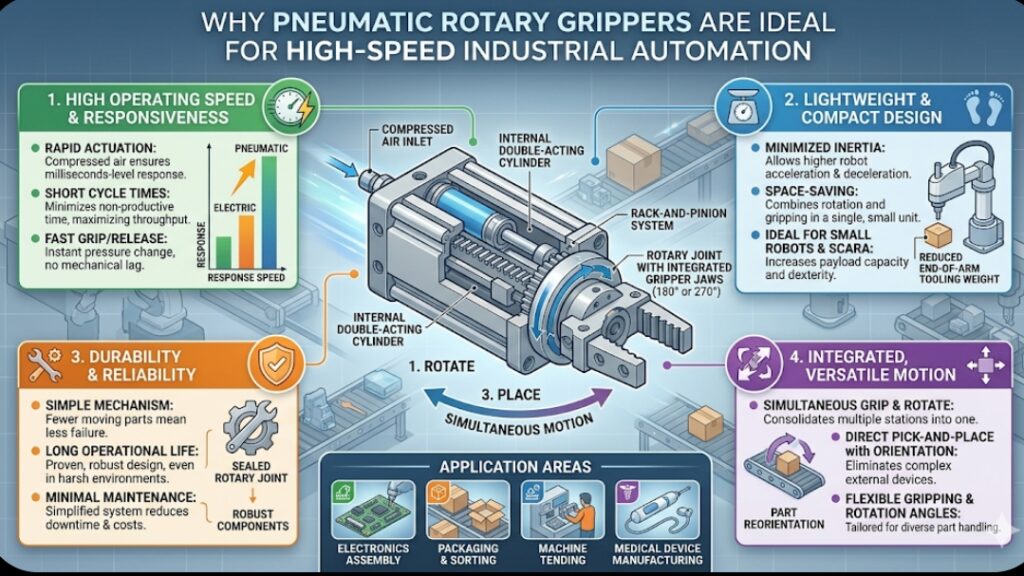
Why Pneumatic Rotary Grippers Are Ideal for High-Speed Industrial Automation

Car Shipping Costs Explained: Factors You Should Know

What Happens If You Miss a Credit Card Payment?