Efficient Land Clearing Explained: Methods, Tools, Environmental Factors, and Key Advantages
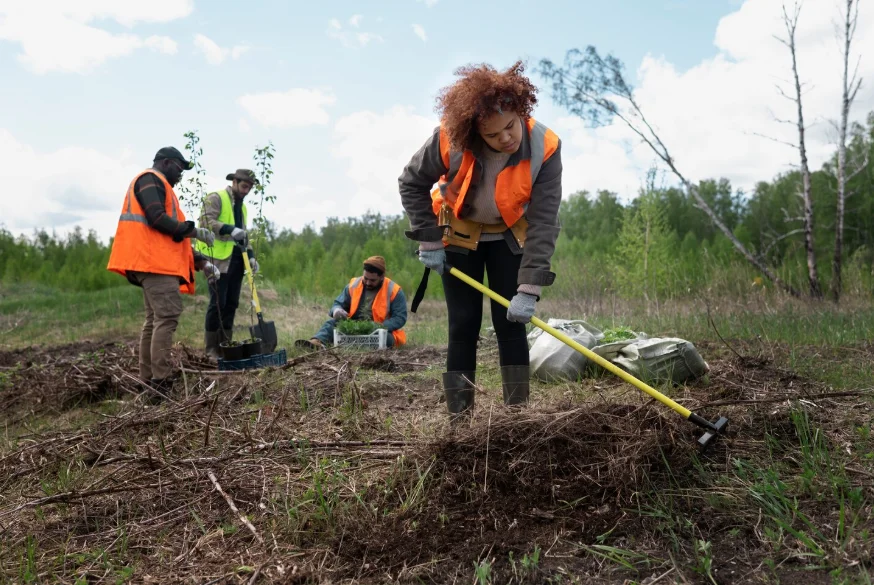
Land clearing is one of the most fundamental steps in preparing a piece of land for development, agriculture, construction, or large-scale landscaping. This vital process involves the systematic removal of vegetation, trees, rocks, debris, and unwanted growth to create a safe, functional, and manageable area for future use. Despite seeming straightforward, effective land clearing demands a sophisticated understanding of soil structure, vegetation characteristics, environmental considerations, equipment capabilities, and safety protocols. Without proper planning and execution, clearing land can lead to long-term environmental damage, soil erosion, increased project costs, and preventable safety hazards. This comprehensive guide explores every major aspect of land clearing, helping property owners, developers, and professionals make informed decisions that lead to efficient, sustainable, and successful land preparation outcomes.
The Importance of Land Clearing
Land clearing provides the foundation for virtually every type of property improvement or development project. Before construction, planting, grading, or infrastructure work can begin, the land must be free from obstacles that could interfere with progress or create hazards. The initial stage of land clearing sets the tone for the entire project, influencing timelines, budgets, environmental impact, and future land stability.
One of the most essential reasons for properly executed land clearing is safety. Overgrown vegetation, unstable trees, hidden stumps, and debris can pose significant risks during construction or agricultural activities. Removing these hazards ensures safer access for workers, machinery, and future occupants of the property.
Land clearing also helps improve soil quality by removing invasive species, decaying plant matter, and dense root systems. These elements can prevent healthy vegetation growth or obstruct construction processes. With proper clearing, the soil becomes more suitable for grading, planting, drainage systems, and foundation work, reducing the likelihood of future structural or crop-related issues.
Another crucial benefit is improved land usability. Many properties suffer from neglect, clutter, or hazardous overgrowth, making them unusable or inefficient. By performing land clearing with the right methods, a property can be transformed into a functional space suitable for farming, building, recreation, or long-term investment.
Key Challenges Associated with Land Clearing
While land clearing is essential, it also presents a number of challenges that require careful planning and expertise. One of the biggest obstacles is dealing with dense vegetation, especially areas with tall trees, large root systems, or invasive plant species. Removing these elements safely requires appropriate equipment, skilled operators, and a methodical approach to avoid damage to the land or injury to workers.
Another challenge involves soil disruption. Improper land clearing can strip topsoil, create compaction, or lead to drainage issues. Soil must be treated carefully during the clearing process, particularly if the land is intended for agriculture or landscaping.
Environmental considerations also present significant challenges. Ecosystems can be sensitive, and land clearing must be done with minimal disruption to wildlife, soil health, water flow, and natural habitats. Understanding environmental regulations, seasonal timing, and sustainable clearing techniques is essential in ensuring that the project does not lead to erosion, flooding, or long-term ecological harm.
Tools and Equipment Used in Land Clearing
The success of land clearing is often dependent on choosing the right equipment and tools for the conditions and project objectives. Smaller residential projects may only require basic tools, while large-scale land clearing demands heavy machinery operated by trained professionals.
Essential equipment includes chainsaws, stump grinders, excavators, bulldozers, brush cutters, skid-steer loaders, mulchers, and wood chippers. Each piece of equipment serves a different purpose and plays a unique role in the process.
Chainsaws and brush cutters are ideal for removing smaller trees and vegetation. Excavators offer precision when digging up roots or relocating large objects. Bulldozers excel at pushing heavy debris, leveling ground, and clearing broad areas efficiently. Mulchers are particularly valuable in sustainable land clearing practices, as they break down vegetation into reusable mulch that can enrich soil and reduce waste.
Understanding how to match equipment to terrain and project requirements helps ensure a smooth and effective land clearing process.
Step-by-Step Guide to Land Clearing
A systematic approach is essential for successful land clearing. Following a structured process reduces mistakes, keeps costs under control, and ensures the land is prepared for its intended use.
- Assessment and Planning – Before any physical clearing occurs, the land must be thoroughly evaluated. This includes identifying vegetation types, analyzing soil conditions, checking for hazards, and determining the most efficient clearing strategy. Planning also involves understanding property boundaries, estimating time requirements, and ensuring compliance with environmental guidelines.
- Marking the Area – Clear boundaries must be established to prevent unintentional clearing outside of designated areas. This includes marking trees to be preserved, identifying slopes, and outlining pathways for equipment movement.
- Initial Vegetation Removal – Smaller plants, brush, and loose debris are removed first to provide access and visibility. This initial step helps operators maneuver machinery safely and prepares the land for tree and stump removal.
- Tree Removal – Trees are carefully cut, felled, and sectioned for removal. Depending on the project, trees may be mulched, chipped, or transported for off-site disposal. Skilled operators are essential during this phase to avoid accidents and property damage.
- Stump and Root Clearing – Roots and stumps must be removed to prepare the ground for grading, planting, or construction. Stump grinders, excavators, or bulldozers are commonly used to extract deep root systems that could interfere with future land use.
- Debris Disposal – All organic and non-organic debris is cleared from the site. Sustainable debris management practices include mulching, composting, or reusing wood for landscaping.
- Grading and Leveling – Once clearing is complete, the land is leveled to ensure proper drainage and structural stability. Grading prepares the surface for roads, foundations, irrigation, or agricultural planting.
- Final Inspection and Preparation – A thorough inspection ensures that all debris is removed, the ground is stable, and the land is ready for the next phase of development.
Environmental Considerations in Land Clearing
Modern land clearing emphasizes sustainability and minimal environmental impact. Responsible land clearing avoids disruption to natural water flow, preserves essential vegetation, and protects wildlife habitats whenever possible.
Mulching is one of the most environmentally friendly clearing techniques, as it recycles vegetation directly into the soil. This not only reduces waste but improves soil health, reduces erosion, and supports long-term land stability.
Erosion control measures such as silt barriers, strategic tree preservation, and proper grading ensure that the land remains protected during and after the clearing process. Responsible land clearing requires awareness of environmental guidelines and an understanding of how to balance human land use with ecological preservation.
Benefits of Professional Land Clearing
While some property owners choose to perform small-scale clearing themselves, professional land clearing offers numerous advantages. Experienced operators bring specialized equipment, technical knowledge, and efficiency that drastically reduce risk and ensure superior results.
Professionals understand how to work with challenging terrain, dense vegetation, and complex root systems. Their training in safety protocols and environmental best practices ensures that the clearing process protects both the property and surrounding environments. Hiring professional land clearing services can also help reduce project timelines, maintain cost efficiency, and deliver long-lasting land improvement.
Conclusion
Land clearing is a foundational step in preparing land for productive and safe use. Whether the goal is construction, agriculture, landscaping, or property rehabilitation, proper land clearing ensures that the land is ready for long-term success. By understanding the techniques, tools, challenges, and environmental considerations involved, property owners and developers can make informed decisions that protect their investment and preserve the quality of the land. Effective land clearing transforms an unmanageable or overgrown area into a functional, stable, and visually appealing space, setting the stage for successful development or agricultural productivity. With careful planning, the right equipment, and responsible methods, land clearing becomes a powerful and essential process for transforming raw land into opportunity.

Top Benefits of Using Construction Bid Software in Construction Bidding

Comprehensive Guide to Concrete Repair: Techniques, Benefits, and Best Practices

Efficient and Safe Wiring for New Homes: A Homeowner’s Guide to New Construction Electrical Systems