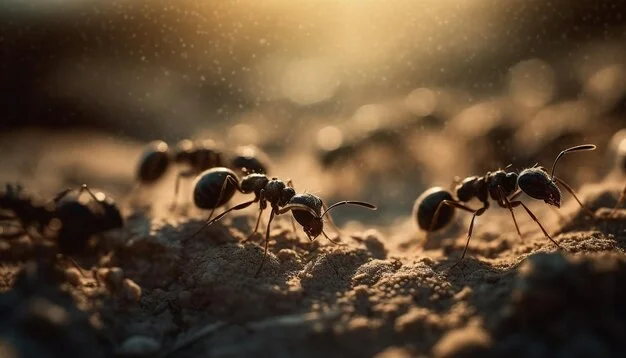
Ant infestations are one of the most common household problems, yet they are often underestimated in terms of the disruption and damage they can cause. While ants may appear harmless due to their small size, they can quickly become a significant nuisance when left unchecked. Effective ant control is essential not only to maintain the cleanliness of your home but also to protect your health and safeguard your property. This article explores the causes of ant infestations, the most effective methods for preventing and managing them, and practical strategies for long-term ant control.
Understanding Ant Behavior
To implement effective ant control, it is crucial to understand the behavior and biology of ants. Ants are social insects that live in highly organized colonies, which can range from a few dozen to millions of individuals. Each colony has a structured hierarchy, typically consisting of a queen, worker ants, and male ants whose primary purpose is reproduction. Worker ants are responsible for foraging, nest maintenance, and caring for the queen and larvae. This structured social system allows ant colonies to be highly efficient and resilient, making eradication a challenge if the problem is not addressed properly.
Ants are also highly adaptive and can survive in diverse environments. They are attracted to food sources, water, and shelter, and they leave chemical trails to guide other members of their colony to resources. This explains why ants often appear to “invade” kitchens, pantries, and other areas where food is stored. Understanding these behaviors is the first step in designing a successful ant control strategy.
Common Causes of Ant Infestations
Ant infestations often result from factors related to food availability, environmental conditions, and structural vulnerabilities. Some common causes include:
- Food and Water Sources: Ants are naturally drawn to easily accessible food and water. Crumbs, spills, and open containers can all attract ants into homes or commercial spaces. Sugary foods, proteins, and grease are particularly appealing to many ant species.
- Structural Entry Points: Cracks, gaps, and openings in walls, windows, and doors serve as convenient entry points for ants. Even small spaces can be enough for ants to enter and establish colonies indoors.
- Warm and Moist Environments: Many ant species thrive in warm and humid environments. Leaky pipes, damp basements, and poorly ventilated areas can create ideal conditions for ants to nest and reproduce.
- Nearby Vegetation: Gardens, lawns, and shrubbery close to buildings can harbor ant colonies. Once established outdoors, ants can easily migrate indoors in search of food.
Methods for Ant Control
Ant control can be approached using a combination of preventive, chemical, and natural methods. The choice of method depends on the severity of the infestation, the species of ant involved, and the environment in which they are found.
Preventive Measures
Preventive measures are the first line of defense in ant control. By reducing attractants and minimizing entry points, the likelihood of an infestation can be significantly reduced. Key preventive strategies include:
- Maintaining Cleanliness: Regular cleaning of kitchen surfaces, floors, and storage areas is essential. Wiping down counters, sweeping crumbs, and washing dishes promptly can reduce food sources that attract ants.
- Proper Food Storage: Store food in airtight containers to prevent ants from accessing it. Avoid leaving pet food exposed, as it can also attract ants.
- Sealing Entry Points: Inspect your home for cracks, gaps, and openings around windows, doors, and baseboards. Use caulking or weatherstripping to seal these areas and prevent ants from entering.
- Moisture Control: Fix leaks, improve ventilation in damp areas, and use dehumidifiers if necessary. Reducing moisture helps deter ants from nesting indoors.
Chemical Treatments
For severe infestations, chemical treatments may be necessary. These methods should be used carefully, following manufacturer instructions, and preferably by trained professionals if the infestation is extensive. Chemical ant control methods include:
- Ant Baits: Baits attract worker ants, which carry the poison back to the colony, ultimately eliminating the queen and the colony. This method is particularly effective because it targets the root of the infestation rather than just killing individual ants.
- Insecticide Sprays: Sprays can be used to directly target ants in high-traffic areas. However, sprays may only provide temporary relief if the colony is not destroyed.
- Dusts and Granules: These products can be applied to cracks, crevices, and around foundations to prevent ants from entering. They are especially useful for outdoor ant control.
Natural and Eco-Friendly Solutions
For those who prefer to avoid chemicals, several natural remedies can aid in ant control. While these methods may not completely eliminate large infestations, they are effective for prevention and small-scale problems:
- Vinegar and Lemon Solutions: Spraying a mixture of vinegar and water or lemon juice along ant trails can disrupt chemical scent trails, discouraging ants from following them.
- Essential Oils: Oils such as peppermint, tea tree, and eucalyptus act as natural repellents. Applying diluted oils to entry points and trails can deter ants.
- Diatomaceous Earth: This natural powder damages the exoskeleton of ants, leading to dehydration and death. It can be applied around foundations, garden beds, and indoor entry points.
Long-Term Ant Control Strategies
While immediate measures may reduce visible ant activity, long-term control requires a strategic approach focused on prevention, monitoring, and maintenance.
- Regular Inspection: Periodically inspect your home for signs of ants, including trails, nests, and entry points. Early detection allows for quicker and more effective intervention.
- Integrated Pest Management (IPM): IPM combines multiple strategies sanitation, exclusion, monitoring, and treatment to manage pests with minimal environmental impact. This approach emphasizes sustainable ant control and reduces reliance on chemical treatments.
- Professional Assistance: For persistent or widespread infestations, professional pest control services may be necessary. Trained technicians can identify the ant species, locate nests, and apply targeted treatments that are safe and effective.
- Education and Awareness: Understanding the habits and life cycle of ants is crucial for preventing future infestations. Educating family members or employees about proper hygiene, food storage, and monitoring can help maintain ant-free environments.
Health and Property Implications
Ignoring ant infestations can have consequences beyond mere inconvenience. Certain ant species, such as carpenter ants, can cause structural damage by burrowing into wood. Others, like pharaoh ants, can contaminate food and spread bacteria, posing health risks. By prioritizing ant control, homeowners and business owners protect both their property and their health.
Conclusion
Effective ant control requires a comprehensive approach that combines prevention, treatment, and long-term strategies. Understanding ant behavior, eliminating attractants, sealing entry points, and applying appropriate control methods can significantly reduce infestations and prevent recurrence. Whether using chemical treatments, natural remedies, or professional services, the key to successful ant control lies in persistence and vigilance. By implementing these strategies, you can maintain a clean, safe, and ant-free environment.
Ant infestations may be common, but with informed and proactive measures, they can be managed successfully, ensuring comfort, health, and peace of mind.

How Much Do Agencies Charge for Website Design? A Complete Guide for Businesses

From Personal Experience: Why a Specialized Estate Planning Attorney Can Change Everything

Why Simple Swaps Matter: Rethinking Everyday Bathroom Essentials