Elevating Indoor Comfort Through Smarter Climate Control: How Modern HVAC Shapes a Better Living Experience
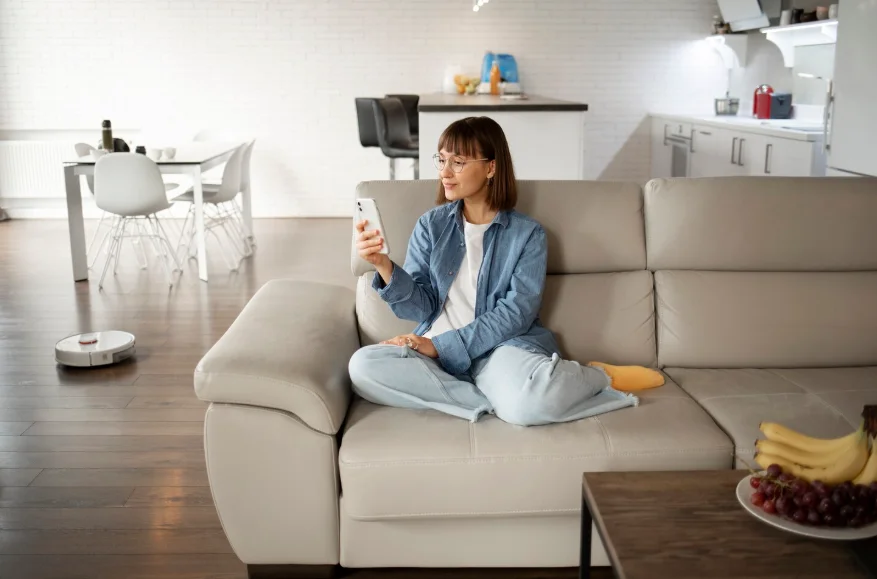
Creating and maintaining true indoor comfort has become both an art and a science. Modern heating, ventilation, and air-conditioning systems operate at the center of this balance, influenced by technology, energy-efficiency standards, user expectations, and environmental responsibility. While many homeowners and business owners think of climate control as a set-and-forget element of a building, the reality is far more nuanced. Behind every consistently comfortable space is a thoughtful combination of design, equipment selection, preventive care, and professional expertise. This is where the guidance of a trusted HVAC company becomes indispensable, especially as systems grow more advanced and more integrated with everyday living.
The evolution of indoor comfort has accelerated rapidly, particularly in the last decade. What was once a matter of adjusting a thermostat now involves smart automation, zoned temperature control, data-driven energy management, and improved air-quality strategies. Understanding these advancements not only empowers consumers but also encourages better system performance and longer equipment life. High-performing HVAC systems do more than heat and cool; they safeguard health, productivity, and overall well-being. With that in mind, exploring the future of climate control starts with a look at how HVAC science has matured and where it is heading next.
The Changing Landscape of Indoor Climate Solutions
Indoor comfort was once dependent on basic mechanical systems, but the modern approach integrates engineering, environmental science, data analytics, and user-friendly technology. As expectations evolve, so do the responsibilities of professionals who design, maintain, and update these systems. A reliable HVAC company in Oshawa not only installs equipment but also guides clients through increasingly complex options, helping them choose solutions tailored to their unique needs.
Today’s systems offer impressive improvements in efficiency, quiet operation, and precision control. Heat pumps, for example, are now capable of performing efficiently even in extreme temperatures. Hybrid systems can automatically adjust between gas and electric power depending on conditions. Smart thermostats learn user habits and adjust settings without manual input, reducing energy waste while enhancing comfort. Ventilation systems have become more sophisticated as well, promoting healthier indoor air through advanced filtration and humidity control.
Consumers have become more educated about the importance of clean air, consistent temperatures, and building performance. As a result, the HVAC industry is placing greater emphasis on indoor air quality, system longevity, and energy efficiency. This shift reflects a growing awareness that climate control affects far more than comfort; it influences health, cognitive performance, and even the durability of building materials.
Energy Efficiency and Environmental Responsibility
Energy efficiency is no longer optional; it is a priority for homeowners, property managers, and businesses alike. Rising energy costs and increasing environmental awareness have made efficient climate management a critical investment. The right systems reduce utility bills, conserve natural resources, and minimize overall carbon footprint. In many cases, energy-efficient upgrades deliver long-term financial benefits that outweigh initial installation costs.
One of the challenges many consumers face is understanding seasonal energy efficiency ratings, heating seasonal performance factors, and minimum efficiency requirements. These metrics determine how effectively a system transforms energy into heating or cooling output. A trusted HVAC company plays a crucial role in explaining these ratings and helping clients choose systems that meet both comfort and efficiency goals.
In addition to equipment selection, maintenance practices also impact energy use. A well-maintained system can operate up to 30% more efficiently than a neglected one. Simple practices such as replacing filters, cleaning coils, and inspecting ductwork contribute significantly to overall performance. Preventive maintenance reduces breakdowns, increases equipment lifespan, and ensures systems operate at peak capacity without wasting energy.
Building insulation, window quality, and duct sealing further influence energy demand. HVAC professionals frequently evaluate these structural elements to understand how air moves throughout a building and how positive or negative pressure might impact comfort levels. Not all energy losses are obvious; some require testing and measurement to pinpoint inefficiencies. Through system audits and performance testing, professionals help clients understand how to maximize climate control without unnecessary energy consumption.
Indoor Air Quality: A Critical Component of Comfort
Today’s consumers are paying greater attention to indoor air quality (IAQ), and for good reason. Poor IAQ can cause respiratory irritation, allergies, headaches, and long-term health effects. With people spending more time indoors—whether working, studying, or relaxing clean air is essential. Modern HVAC systems integrate features that go beyond temperature control to provide a healthier living environment.
Filtration remains one of the most effective strategies for improving IAQ. High-efficiency filters capture dust, pollen, mold spores, and airborne contaminants. Some systems go further, incorporating UV lights, electronic air cleaners, or whole-home air purifiers. Balanced humidity also plays a significant role. Too much moisture can encourage mold and mildew growth, while overly dry conditions can cause irritation and discomfort.
Ventilation is another key aspect of air quality. Modern homes and commercial buildings are designed to be energy-efficient, which often means they are more tightly sealed. While this conserves energy, it can also trap pollutants indoors. Proper ventilation strategies whether through mechanical ventilation, heat-recovery systems, or increased filtration help maintain air freshness without compromising efficiency.
A knowledgeable HVAC professional can test indoor air, identify hidden issues, and recommend improvements tailored to specific environments. Whether addressing odors, moisture problems, airborne allergens, or chemical contaminants, the right solutions ensure that indoor spaces support overall well-being.
The Role of Smart Technology in Modern Comfort Control
Smart technology has revolutionized how we interact with heating and cooling systems. The integration of sensors, automation, and remote access allows users to manage comfort with unprecedented ease. Smart thermostats are now capable of learning user preferences, adjusting temperatures automatically, and providing detailed energy-use reports. Many can communicate with other home systems, allowing fully integrated climate management.
Zoned systems represent another innovation that delivers enhanced comfort and reduced energy waste. Instead of heating or cooling an entire building, zoned systems allow temperature control in specific areas. This approach is especially useful in multi-level homes, offices with varying occupancy, or buildings with inconsistent sun exposure.
Predictive maintenance is an emerging technology that uses sensors and analytics to detect issues before they become expensive repairs. Systems can alert users when a component begins to fail or when airflow drops, allowing timely service that prevents breakdowns. These advancements reflect a shift toward proactive comfort management rather than reactive repairs.
As technology becomes more complex, professional guidance becomes even more important. Homeowners and business owners benefit from expert recommendations on system compatibility, optimal placement, and integration with existing smart-home devices. Smart technology may simplify user experience, but proper installation and configuration remain essential to unlocking its full potential.
Long-Term Value of Professional HVAC Guidance
Choosing the right system and maintaining it properly can significantly impact long-term comfort, budgeting, and property value. From initial consultation to installation and ongoing service, professional support ensures that every decision contributes to better performance and extended equipment lifespan.
For many consumers, one of the most daunting aspects of climate control is the sheer number of options available. System size, duct layout, airflow calculations, energy ratings, and maintenance requirements all influence performance. Professional technicians evaluate these factors carefully to recommend the most suitable solutions.
Working with an established HVAC team also provides peace of mind. Regular inspections identify potential issues before they escalate, preventing costly damage. Timely repairs and updates keep systems efficient and dependable year-round. Whether upgrading equipment or improving existing systems, expert assistance empowers property owners to make informed choices.
Future Trends in Indoor Climate Control
The future of HVAC continues to evolve, with an emphasis on sustainability, automation, and health-focused solutions. New refrigerants with lower global warming potential are emerging, reducing environmental impact. Advanced heat pumps capable of operating in extreme climates are becoming mainstream. Artificial intelligence is beginning to shape system optimization, allowing real-time adjustments based on weather patterns, occupancy levels, and energy costs.
These advancements reflect a broader industry commitment to building healthier, smarter, and more energy-conscious environments. As systems continue to advance, the expertise of a reputable service provider becomes even more valuable. Whether navigating new technologies or maximizing the performance of existing systems, a knowledgeable partner helps consumers stay ahead of the curve.
Conclusion
Indoor comfort is more than temperature control; it encompasses energy efficiency, air quality, environmental impact, and long-term performance. As systems grow more advanced, the role of a professional HVAC company becomes increasingly vital. With the right combination of technology, maintenance, and expert guidance, property owners can create living and working environments that support health, productivity, and everyday comfort.
By understanding how modern climate systems operate and what future advancements hold, homeowners and businesses are better equipped to make informed decisions. In the end, investing in high-quality HVAC solutions is not just about comfort it’s about creating sustainable, healthy, and efficient spaces for years to come.
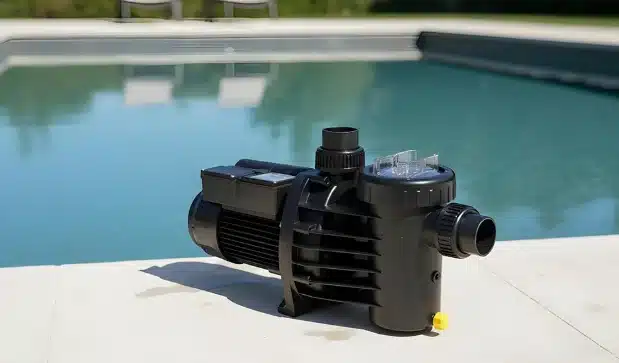
How to Choose the Right Pool Pump for a Swimming Pool

LeisureHQ.com: Products, Purpose, and Practical Use Explained Clearly
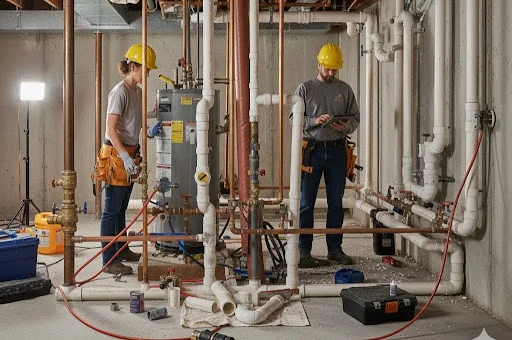
A Homeowner’s Guide to Evaluating Pipe Repair Costs and Quality