The Complete Guide to Water Heater Replacement: Ensuring Efficiency and Comfort in Your Home
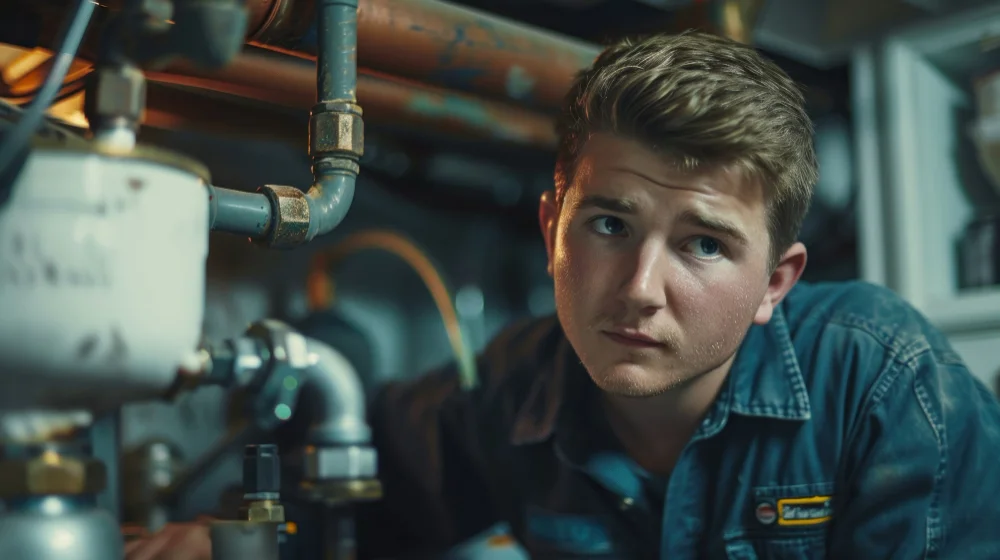
Water heaters are one of the essential appliances in any home, providing comfort and convenience by ensuring a steady supply of hot water. However, like all mechanical systems, water heaters do not last forever, and there comes a time when a water heater replacement becomes necessary. Understanding when and why to replace your water heater can save homeowners from costly repairs, energy inefficiency, and unexpected disruptions in daily life. In this comprehensive guide, we will explore everything you need to know about water heater replacement, including the signs of failure, types of water heaters, installation considerations, maintenance tips, and the benefits of upgrading to a modern system.
Signs You May Need a Water Heater Replacement
Water heaters typically have a lifespan of 8 to 12 years, depending on the type, usage, and maintenance. However, several indicators can signal that your unit is nearing the end of its life:
- Inconsistent Water Temperature: One of the most common signs that a water heater is failing is inconsistent hot water. You may notice sudden drops in temperature or water that does not stay hot for long periods.
- Strange Noises: Over time, sediment builds up at the bottom of the tank. When the heating element warms the sediment, it can produce popping, rumbling, or banging noises. These noises are not just annoying; they can indicate that your water heater is struggling to operate efficiently.
- Leaks and Corrosion: Rusty water or visible leaks around the tank are major warning signs. Corrosion can weaken the tank, leading to water damage and expensive repairs.
- Age of the Water Heater: Even if your water heater is functioning, units older than 10 years should be evaluated for replacement. Older models are less energy-efficient and may not meet current safety standards.
Recognizing these signs early ensures a smooth water heater replacement process without sudden disruptions in your home.
Types of Water Heaters
When considering a water heater replacement, it is crucial to understand the different types of water heaters available, as this will affect your energy usage, installation process, and overall performance.
- Tank Water Heaters:
These are the traditional water heaters that store a fixed amount of hot water in a tank. Tank water heaters are reliable and straightforward but may lose energy due to heat loss from stored water. They are available in gas, electric, and oil-powered models. - Tankless Water Heaters:
Tankless or on-demand water heaters heat water as it flows through the system. They are more energy-efficient than traditional tank models because they eliminate standby heat loss. However, their upfront cost is higher, and installation may require adjustments to existing plumbing or electrical systems. - Heat Pump Water Heaters:
Heat pump water heaters, also called hybrid water heaters, use electricity to move heat from one place to another instead of generating heat directly. They are highly energy-efficient and can significantly reduce electricity bills, though they work best in moderate climates. - Solar Water Heaters:
Solar water heaters use solar panels to heat water, making them environmentally friendly and cost-effective in the long run. While installation costs can be higher, they provide a sustainable solution for homeowners seeking energy savings.
Choosing the right type depends on household hot water needs, budget, and energy efficiency goals.
The Process of Water Heater Replacement
Replacing a water heater is not simply a matter of swapping the old unit with a new one. It requires careful planning, precise installation, and adherence to safety standards.
- Assessment and Selection:
Start by evaluating your hot water usage, the size of your household, and the type of water heater you prefer. Consult energy efficiency ratings and consider long-term operating costs in addition to the purchase price. - Preparation:
Before removing the old water heater, turn off the power or gas supply and shut off the water line. Drain the existing tank completely to avoid water damage during removal. - Installation:
Professional installation is highly recommended for water heater replacement, especially for gas or tankless systems. The process involves connecting water lines, venting (for gas units), and ensuring the unit is level and secure. Proper installation prevents leaks, improves energy efficiency, and ensures compliance with local safety codes. - Testing and Adjustment:
After installation, fill the tank or system with water and test for leaks. Adjust temperature settings and check the pressure relief valve to ensure the unit operates safely.
A properly executed replacement not only ensures consistent hot water but also prolongs the lifespan of your new water heater.
Benefits of Upgrading Your Water Heater
Investing in a modern water heater comes with several advantages:
- Energy Efficiency: Newer water heaters use advanced technology to minimize energy consumption, reducing utility bills.
- Improved Performance: Modern water heaters provide faster recovery rates, ensuring that you never run out of hot water during peak usage.
- Enhanced Safety: Up-to-date models include safety features such as automatic shutoff, temperature regulation, and leak detection.
- Environmental Benefits: Energy-efficient water heaters lower your household carbon footprint. Some options, like solar or hybrid units, offer even greater environmental advantages.
Maintenance Tips to Extend Water Heater Lifespan
While water heater replacement eventually becomes necessary, regular maintenance can extend the life of your system and prevent sudden failures. Here are some key maintenance tips:
- Flush the Tank Regularly: Sediment buildup can reduce efficiency and lead to premature wear. Flushing the tank annually can prevent this issue.
- Inspect the Anode Rod: The anode rod protects the tank from corrosion. Checking and replacing it every few years can significantly extend your water heater’s life.
- Check the Pressure Relief Valve: This valve prevents dangerous pressure buildup. Testing it regularly ensures your water heater operates safely.
- Monitor Water Temperature: Keeping your water heater set at 120°F (49°C) prevents overheating, reduces energy consumption, and minimizes the risk of scalding.
Common Mistakes to Avoid During Replacement
Homeowners often make mistakes during the water heater replacement process that can lead to costly repairs or inefficiencies:
- Choosing the Wrong Size: A water heater that is too small will run out of hot water quickly, while an oversized unit wastes energy.
- DIY Installation Without Experience: Gas or tankless water heaters require professional installation to ensure safety and compliance with local codes.
- Neglecting Maintenance: Even new water heaters require regular inspections and maintenance to operate efficiently.
Final Thoughts
A water heater is a critical part of a comfortable and efficient home, and knowing when to invest in a water heater replacement is essential for avoiding inconveniences and costly repairs. By understanding the types of water heaters, recognizing the signs of failure, and following proper installation and maintenance procedures, homeowners can ensure long-term reliability, energy efficiency, and safety.
Upgrading to a modern, energy-efficient water heater not only improves daily comfort but also provides significant savings and environmental benefits. Whether you choose a traditional tank, tankless, or hybrid model, careful planning and professional installation are key to maximizing the value and performance of your new system.
In conclusion, staying proactive about your water heater’s health, understanding your options, and maintaining your system properly can make water heater replacement a seamless and worthwhile investment in your home.

Car Shipping Costs Explained: Factors You Should Know

What Happens If You Miss a Credit Card Payment?

10 Reasons To Buy A House In The Dominican Republic In 2026