The Ultimate Guide to Interior Window Cleaning: Techniques, Benefits, and Best Practices
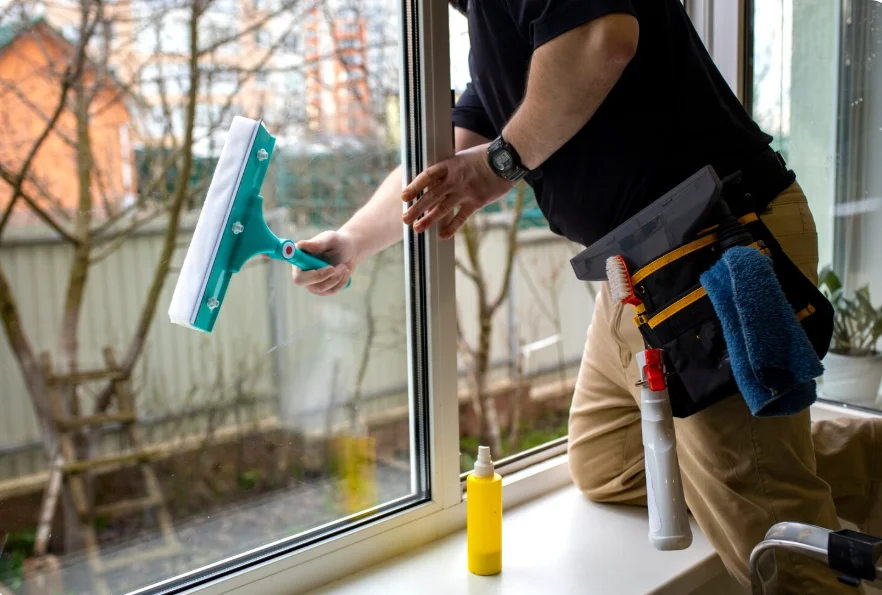
Interior window cleaning is an essential aspect of maintaining a clean, healthy, and visually appealing indoor environment, whether in residential or commercial spaces. Clean windows not only improve the overall aesthetic of a space but also allow more natural light to enter, enhancing mood, productivity, and energy efficiency. While it may seem like a simple chore, effective interior window cleaning requires proper techniques, the right tools, and a strategic approach to ensure streak-free, long-lasting results. Neglecting interior window cleaning can result in the accumulation of dust, grime, and mineral deposits, which can be difficult to remove over time and may even damage the window surface. Understanding the principles of interior window cleaning, from preparation to finishing touches, is crucial for homeowners, business owners, and cleaning professionals aiming to achieve optimal clarity and cleanliness.
The Importance of Interior Window Cleaning
Interior window cleaning Ankeny serves several important purposes beyond mere appearance. Windows act as a barrier between indoor and outdoor environments, meaning they naturally attract dust, dirt, and other pollutants from both sides. While exterior windows often receive more attention due to weather exposure, the interior surfaces are equally susceptible to buildup, including fingerprints, smudges, cooking residues, and dust. Regular interior window cleaning enhances visibility, prevents deterioration of window materials, and ensures that sunlight can penetrate freely, brightening the interior spaces and reducing reliance on artificial lighting.
In addition, maintaining clean windows contributes to better indoor air quality. Dust, pollen, and allergens often settle on window surfaces, and if left uncleaned, these particles can spread throughout the room when windows are opened or when air circulates. Routine interior window cleaning minimizes the presence of these contaminants, creating a healthier environment for occupants. Furthermore, clean windows reflect a sense of professionalism in commercial settings and promote a positive impression for visitors, clients, and employees alike.
Common Challenges in Interior Window Cleaning
Despite its apparent simplicity, interior window cleaning presents several challenges that can impact the effectiveness of the process if not properly addressed. One of the main challenges is dealing with streaks or residue left behind after cleaning. Improper cleaning solutions, the use of unsuitable tools, or inadequate drying techniques can result in streaks that diminish the clarity and appearance of the window. Another challenge is hard water deposits or mineral buildup, which often require specialized cleaning agents and techniques to remove effectively without scratching or damaging the glass.
Additionally, some windows are located in difficult-to-reach areas, such as above countertops, near high ceilings, or behind furniture, making cleaning physically challenging and potentially unsafe without proper tools or safety precautions. Interior window cleaning also demands attention to detail, as neglecting corners, edges, and frames can leave visible dirt that undermines the overall cleanliness. Understanding these challenges helps individuals approach interior window cleaning systematically and avoid common pitfalls.
Tools and Equipment for Interior Window Cleaning
Effective interior window cleaning relies on the right combination of tools and cleaning agents. While traditional methods using water, soap, and cloths can achieve results, modern techniques often incorporate specialized tools to enhance efficiency and quality. Common tools include microfiber cloths, squeegees, scrapers, and spray bottles with appropriate cleaning solutions. Microfiber cloths are particularly valuable due to their ability to capture dust and dirt without leaving lint or streaks. Squeegees help remove excess cleaning solution and water efficiently, reducing the likelihood of streak formation.
For stubborn stains, grease, or mineral deposits, a mixture of water, vinegar, and mild detergent can be effective, though care should be taken to avoid abrasive materials that could scratch the glass. In commercial settings or for larger windows, telescopic poles, extension tools, and professional-grade cleaning solutions are often employed to ensure thorough and safe cleaning. Selecting the appropriate tools based on window size, type, and condition is essential to achieve professional-quality results during interior window cleaning.
Step-by-Step Interior Window Cleaning Process
Achieving clean, streak-free windows requires a systematic approach that ensures all areas are properly addressed. A typical interior window cleaning process involves the following steps:
- Preparation – Begin by removing curtains, blinds, or other window treatments that may obstruct access. Dust the window frames, sills, and surrounding surfaces to prevent debris from falling onto the glass during cleaning. Lay down towels or protective coverings to catch drips and protect furniture or flooring.
- Choosing a Cleaning Solution – Select a suitable cleaning solution, whether a commercial glass cleaner, a vinegar-water mixture, or a mild soap solution. Avoid overly harsh chemicals that could damage the window frames, finishes, or surrounding surfaces.
- Applying the Solution – Spray the cleaning solution evenly across the window surface. For larger windows, work in sections to maintain control and prevent streaks. Let the solution sit for a few moments to loosen dirt and grime.
- Wiping and Scrubbing – Use a microfiber cloth, sponge, or soft brush to gently scrub the glass, focusing on areas with fingerprints, smudges, or mineral deposits. Pay special attention to corners and edges where dirt tends to accumulate.
- Squeegee Drying – Starting at the top of the window, use a squeegee to remove the cleaning solution in smooth, overlapping strokes. Wipe the squeegee blade with a clean cloth between strokes to prevent streaks.
- Final Touches – Dry remaining moisture with a clean, dry microfiber cloth and inspect the window for any missed spots. Reinstall window treatments once the glass is completely dry.
Following these steps consistently ensures that interior window cleaning produces a crystal-clear finish while protecting the longevity of the window and surrounding surfaces.
Benefits of Regular Interior Window Cleaning
Routine interior window cleaning provides several long-term advantages beyond improved aesthetics. Clean windows allow maximum natural light to enter, creating brighter, more inviting spaces that can positively affect mood, energy, and productivity. In commercial environments, clean windows convey professionalism and attention to detail, enhancing the perception of the business for clients, visitors, and employees.
Regular cleaning also prevents the buildup of dirt, grime, and mineral deposits that can eventually etch the glass or damage window frames. By maintaining windows consistently, the lifespan of the glass and surrounding materials is extended, reducing the need for costly replacements or repairs. Moreover, interior window cleaning contributes to overall indoor hygiene by minimizing dust, allergens, and pollutants, which is particularly important in homes, schools, offices, and healthcare facilities.
Safety Considerations in Interior Window Cleaning
Safety is a critical factor in interior window cleaning, especially when working with high or hard-to-reach windows. Using ladders, step stools, or extension tools requires careful attention to stability and proper positioning to prevent accidents. It is advisable to work with a partner when handling tall or heavy windows, and always ensure that surfaces are dry and free from obstacles before climbing. Additionally, avoid using harsh chemicals without adequate ventilation, as fumes can be harmful to health. Wearing gloves, protective eyewear, and non-slip footwear further enhances safety during the cleaning process.
Hiring Professionals for Interior Window Cleaning
While many homeowners and businesses can manage interior window cleaning themselves, there are circumstances where hiring professional services is advantageous. Professional cleaners bring expertise, specialized tools, and experience in handling challenging windows, including those with large panes, intricate designs, or difficult access. They also ensure consistent results, reduce the risk of streaks or damage, and save time for busy property owners. When selecting a professional service, it is important to choose a reputable provider that follows safety protocols and uses eco-friendly, non-toxic cleaning solutions where possible.
Conclusion
Interior window cleaning in Ankeny is an essential maintenance practice that significantly enhances the appearance, hygiene, and functionality of any indoor space. Properly executed cleaning improves natural light, extends the lifespan of windows, reduces allergens, and creates a more welcoming and productive environment. By understanding the challenges, selecting the right tools and cleaning agents, following a systematic cleaning process, and adhering to safety precautions, homeowners and business owners can achieve streak-free, sparkling results. Routine interior window cleaning is not merely a cosmetic effort; it is an investment in the longevity, health, and aesthetics of the property, ensuring that windows remain a source of clarity and light rather than grime and neglect.
Elevate Your Home Hygiene with Curtain Washing Singapore and Upholstery Cleaning

The Passive Fire Problem Hiding Behind Sydney’s Walls

How to Choose the Right Pool Pump for a Swimming Pool