The Transformative Art of Craftsmanship: Exploring the Mind, Skill, and Vision Behind a Painter
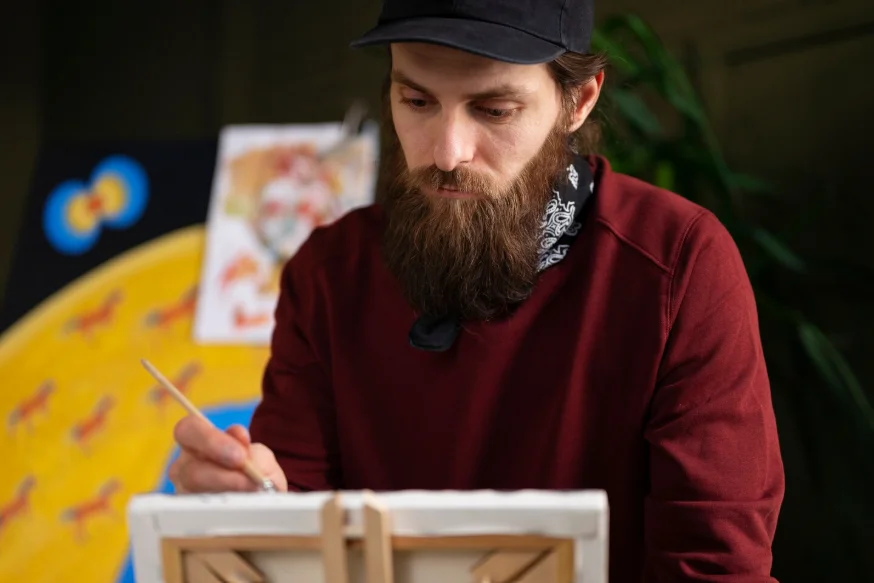
Art has always been one of humanity’s most enduring languages. Long before written words appeared and long before the invention of modern tools, human beings narrated their stories through shapes, colors, and symbols. The art form that stands above all in its historical and emotional depth is painting. It represents a bridge between thought and expression, an intimate dialogue between inner imagination and the visible world. At the heart of this dialogue stands the painter, an artist whose skill, patience, and perception create meaningful visual experiences that transcend time and space.
In today’s fast-moving world, art is often consumed in seconds, scrolled past on digital screens, or replicated rapidly for commercial purposes. Yet, behind every original piece, there exists a creator who invests not only technique but soul. Understanding what truly shapes the work of a painter is essential to appreciating the magic that appears on canvas. It is not merely about color or composition; it is the embodiment of emotion, the product of disciplined practice, the reflection of years of learning, and the courage to create something entirely new.
This article explores the deeper layers of what defines a painter, their mindset, the foundational techniques they master, the emotional resilience required for creativity, and the evolving role of artistic craftsmanship in the modern world. By understanding these aspects, we come closer to appreciating the transformative power of painting as both a personal and a cultural expression.
The Painter’s Mindset: An Intersection of Creativity and Discipline
Many people imagine painting as an act of spontaneous inspiration, where creativity flows naturally without boundaries. While inspiration certainly plays a role, the truth is more complex. A skilled artist requires discipline, consistency, and mental focus. A painter is often both a dreamer and a technician. Their creativity fuels the vision, but discipline guides the execution.
The creative mind observes the world differently from others. Where most people see simple objects, an artist sees shapes, shadows, and relationships. A cup on a table becomes a study of light, a window becomes a story about perspective, and a simple sunset becomes a layered exploration of color temperature and contrast. This heightened perception is not innate; it develops gradually through years of practice and mindful observation.
Discipline also shapes the painter’s routine. Techniques must be learned, refined, and repeated. Brush control, color mixing, perspective, layering, and composition are all skills that require continuous effort. The artist must often work long hours, paint over mistakes, start from scratch, and challenge their own limitations. Creativity provides direction, but discipline ensures mastery.
This blend of imagination and structure forms the foundation of artistic excellence. It is this mindset that allows the painter to bring ideas to life, transforming abstract thoughts into vivid, tangible creations.
Understanding Techniques: The Foundation of Artistic Mastery
Every painting begins with a technique. Even the most abstract works rely on an understanding of how materials behave and how visual elements interact. Mastery of technique allows the painter to express emotion clearly and communicate ideas effectively.
Some of the most important techniques include:
1. Brushwork
Different brush strokes create different effects sharp lines, soft blending, textured surfaces, and expressive marks. A painter learns to control pressure, direction, and speed to bring depth and movement to a piece.
2. Color Theory
Colors are not just visual components; they are emotional signals. Understanding warm and cool tones, complementary colors, contrasts, and harmony allows an artist to create mood, emphasis, and balance.
3. Composition
Great paintings guide the viewer’s eye. Composition involves deciding what to emphasize, where to place elements, and how to create visual flow. A strong composition can turn a simple subject into a striking work of art.
4. Layering and Depth
Most paintings consist of multiple layers. Shadows, highlights, and textures build gradually, creating depth and realism. Layering also allows the painter to make adjustments without losing the structure of the artwork.
5. Medium Mastery
Whether using oil, acrylic, watercolor, or mixed media, each medium behaves differently. Understanding drying times, blending methods, transparency, and stability is essential to producing durable and expressive work.
Through these techniques, the painter is able to transform a blank surface into a compelling visual narrative that evokes emotion and invites interpretation.
The Emotional Journey of Creation
Painting is not only a physical process; it is an emotional one. Every brushstroke carries intention. Sometimes the work flows easily, offering moments of joy and clarity. Other times, the canvas resists, colors feel uncooperative, or inspiration seems distant.
Artists often experience a cycle of emotional stages during creation: excitement at the beginning, frustration in the middle, doubt as details evolve, and satisfaction—sometimes even relief upon completion. These stages are a natural part of the creative journey.
A painter must learn emotional resilience. Not every idea becomes a masterpiece. Not every canvas reaches completion. But each attempt contributes to artistic growth. Mistakes become lessons. Failed compositions lead to breakthroughs. Creativity demands vulnerability, and that vulnerability becomes a strength.
When viewers encounter a finished painting, they often see beauty and meaning. But behind that beauty lies a complex emotional journey that only the artist truly knows. The act of painting is therefore both expressive and therapeutic, allowing emotions to be processed, understood, and translated into visual form.
Tools and Materials: Extensions of the Artist’s Vision
The tools a painter uses are more than instruments; they are extensions of vision and emotion. Brushes, palettes, paints, surfaces, and mediums each shape the final result.
High-quality materials do not guarantee great work, but they support precision and durability. Brushes must be selected carefully depending on texture and detail. Paint consistency must match the intended style. The choice of canvas affects absorption, vibrancy, and longevity.
A painter in Alachua experiments constantly with tools, learning what feels right in hand and what brings the desired effect to life. This experimentation becomes part of the artistic identity. Over time, the artist’s preferred tools become familiar companions in the creative journey.
The Role of Inspiration: Drawing Meaning from the World
Art is inspired by life. The painter observes the world with heightened sensitivity: people, nature, architecture, memories, and emotions all become sources of creative fuel.
Inspiration can come from:
- Light falling across a landscape
- A moment of human expression
- A story, memory, or dream
- Textures or patterns in everyday life
- Deep personal emotions
This constant search for meaning encourages artistic growth. A painter learns to translate experiences into symbolism, color, and form, ensuring that the artwork becomes not only visually appealing but emotionally resonant.
The Painter in the Modern World
In a time dominated by digital images and mass production, one might assume that traditional painting has lost relevance. Yet the opposite is true. The authenticity, originality, and emotional depth of hand-crafted art are more valued than ever.
Paintings are not merely decorative. They represent identity, creativity, and cultural preservation. People long for personal connection and unique experiences qualities that only a human artist can provide
The modern painter often blends traditional techniques with new tools. Digital sketching, virtual color testing, and online galleries expand creative opportunities. Yet the essence of artistry, the emotional connection between creator and viewer remains timeless.
Original paintings continue to hold cultural, emotional, and financial value because they capture something irreplaceable: the human touch.
Why the Painter’s Role Will Always Matter
Art preserves history, expresses emotion, and enriches human experience. The painter remains an essential storyteller who translates personal and collective narratives into universal visual language.
Whether creating realistic portraits, expressive abstracts, or symbolic landscapes, the painter contributes to society’s cultural memory. Their work inspires thought, conversation, and emotion. It brightens spaces, elevates moods, and creates lasting impressions.
In a world increasingly dominated by automation, the painter represents a reminder of what makes humanity extraordinary: the ability to imagine, to feel deeply, and to express those feelings through creation.
Conclusion:
Painting is far more than an artistic hobby; it is a disciplined craft requiring skill, emotion, vision, and resilience. Behind every canvas lies a complex journey shaped by technique, creativity, and the human spirit.
A painter sees the world not just as it is, but as it could be. They bring ideas to life, share moments of truth, and contribute beauty to the world. Their work inspires reflection, connection, and appreciation.
In every culture and every era, the craft of painting has remained a symbol of human expression. No matter how advanced technology becomes, the emotional depth and authenticity of the painter will always hold a special place in the artistic world.

The Transformative Art of Craftsmanship: Exploring the Mind, Skill, and Vision Behind a Painter
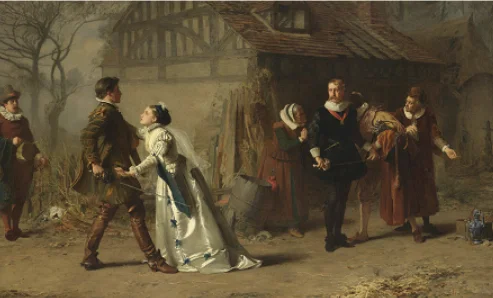
Unusual Russian duels through the lens of reenactor Evgeny Strzhalkovsky