Transforming Your Home Through Thoughtful and Innovative Kitchen Upgrades
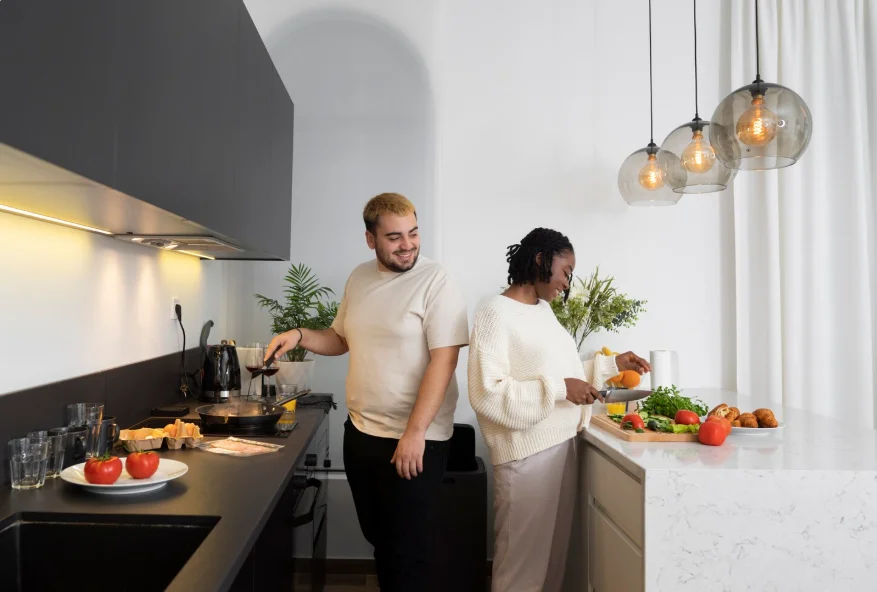
Introduction to Modern Kitchen Design Trends
The kitchen is often considered the heart of the home a place where cooking, gathering, creativity, and daily routines take shape. In recent years, homeowners have placed far greater emphasis on making their kitchen a space that combines comfort, style, and functionality. With evolving lifestyles and design preferences, upgrading a kitchen has become more than a simple aesthetic refresh. It is now a way to enhance home value, improve efficiency, and create a personalized environment tailored to unique needs. As homeowners explore new ideas, materials, and technology, the demand for thoughtful kitchen transformations continues to grow.
Why Kitchen Upgrades Have Become Increasingly Popular
One of the primary reasons people choose to update their kitchens is the desire for improved functionality. Older layouts may no longer meet the needs of modern households, especially as open-concept living becomes more popular. Homeowners often seek additional storage, improved workflow, or expanded cooking space. Even small modifications can make a noticeable difference in daily convenience.
Another driving factor is aesthetics. Trends change, and what once felt modern can quickly become outdated. A refreshed kitchen allows homeowners to integrate contemporary designs, soothing color palettes, innovative materials, and creative lighting solutions. These visual enhancements often create a more inviting and enjoyable environment.
In addition, an updated kitchen can significantly increase property value. Real estate experts consistently note that buyers are more attracted to homes with modern, well-designed kitchen spaces. Investing in improvements today can lead to substantial financial returns in the future.
Understanding the Foundations of a Functional Kitchen Layout
The layout of a kitchen is one of the most critical factors in determining how comfortable and efficient it is to use. Many designers focus on the traditional “work triangle”—the relationship between the sink, stove, and refrigerator. When these elements are positioned strategically, everyday tasks such as meal preparation and cleaning become more efficient.
However, modern homes have adopted a broader perspective. Today’s kitchens often include additional zones for food preparation, beverage stations, baking areas, or breakfast nooks. Large families or cooking enthusiasts may benefit from a two-sink layout or a spacious island that serves as a central workspace. By analyzing lifestyle needs, homeowners can develop a layout that enhances productivity and comfort.
Choosing the Right Materials for Durability and Style
Materials play a major role in the performance and appearance of a kitchen. Countertops, cabinetry, flooring, and backsplashes must withstand daily use while maintaining style. Quartz countertops, for instance, offer durability and low maintenance, making them an increasingly popular choice. Natural stone such as granite or marble adds elegance and timeless appeal, though it may require more upkeep.
Cabinetry is another essential element. Solid wood cabinets provide long-lasting durability, while engineered materials offer cost-effective alternatives. Homeowners can explore various finishes, from matte and gloss to natural grain textures, depending on their preferred style.
Flooring materials such as tile, luxury vinyl plank, and hardwood must also be chosen carefully. These materials play a role in both visual design and daily practicality. Slip resistance, water durability, and ease of cleaning are factors worth considering to ensure long-term satisfaction.
Integrating Smart and Efficient Appliances
Modern kitchens increasingly rely on smart technology to improve convenience and energy efficiency. Smart refrigerators, ovens, and dishwashers allow homeowners to control settings remotely, monitor usage, and reduce energy consumption. These appliances often come with advanced features such as temperature sensors, self-cleaning functions, or voice-control compatibility.
Energy-efficient appliances are not only better for the environment but also help reduce long-term utility costs. By selecting appliances with high energy ratings, homeowners can create eco-friendly spaces that support sustainable living.
The Role of Lighting in Enhancing Kitchen Atmosphere
Lighting is one of the most transformative elements in kitchen design. It affects mood, functionality, and visual appeal. A combination of ambient, task, and accent lighting ensures the kitchen is both practical and beautiful.
Ambient lighting provides general illumination. This is usually achieved through ceiling fixtures or recessed lights. Task lighting serves practical purposes, illuminating preparation areas, countertops, and sinks. Accent lighting highlights design elements, such as glass cabinets or decorative shelving.
Pendant lights above the island, under-cabinet LEDs, and adjustable fixtures all contribute to creating a well-lit, dynamic kitchen space. Thoughtfully arranged lighting can enhance colors, materials, and overall comfort.
Maximizing Storage Through Smart Design Solutions
Storage plays a crucial role in keeping a kitchen organized and clutter-free. As homeowners explore kitchen remodeling, they often focus on creative ways to increase storage without expanding the physical footprint of the room. Features such as pull-out shelves, lazy Susans, deep drawers, vertical dividers, and built-in organizers help maximize every inch of space.
Pantry upgrades also contribute significantly to storage efficiency. Whether it’s a walk-in pantry, a cabinet-style pantry, or an integrated pull-out system, having designated areas for dry goods, appliances, and cookware greatly improves convenience.
The Growing Demand for Multi-Functional Kitchen Islands
Kitchen islands have evolved from simple countertop extensions to multi-purpose hubs that support cooking, socializing, and dining. Many homeowners now choose islands with built-in sinks, stovetops, power outlets, or additional storage compartments. Some islands include seating areas, transforming them into breakfast bars or casual dining spaces.
Large families and frequent entertainers benefit especially from well-designed islands. The additional surface area enhances meal preparation, while the seating encourages social interaction. Modern design also includes contrasting colors and materials for a stylish, eye-catching centerpiece.
Incorporating Personal Style and Unique Design Elements
No two homeowners have identical tastes, and this is reflected in their design preferences. Some prefer minimalist styles with clean lines and neutral color palettes, while others embrace bold colors, unique textures, or vintage décor. During kitchen remodeling, personal taste plays a significant role in shaping the final outcome.
Decorative accents such as hardware, faucets, shelving, and artwork allow homeowners to bring their unique vision to life. Backsplashes provide an expressive canvas where patterns, colors, and textures add character to the room. Even subtle elements like cabinet handles or countertop edges can make a noticeable difference in overall style.
The Benefits of Professional Expertise
While DIY projects can be appealing, large-scale kitchen upgrades often require professional experience. Designers, contractors, and installers bring knowledge that helps avoid costly mistakes. They understand structural requirements, electrical standards, plumbing systems, and safety regulations. Their expertise ensures the finished kitchen is both visually appealing and structurally sound.
Working with professionals also saves time. Skilled teams can handle complex tasks efficiently, allowing homeowners to enjoy their new spaces sooner. Additionally, professionals often have access to high-quality materials, exclusive design solutions, and advanced tools that enhance the final result.
Budget Considerations and Long-Term Planning
Planning a kitchen project includes determining a realistic budget. Costs vary based on materials, appliances, labor, and the extent of the remodel. Some homeowners opt for partial updates, such as replacing countertops or repainting cabinets, while others choose comprehensive redesigns that include structural changes.
Long-term planning helps ensure that investments pay off over time. High-quality materials, efficient appliances, and a practical layout contribute to long-term satisfaction. By carefully selecting features that align with lifestyle needs, homeowners can enjoy their updated kitchens for many years.
How a Modern Kitchen Enhances Everyday Living
A well-designed kitchen enhances more than just the visual appeal of a home—it improves daily living. With efficient layouts, better lighting, and modern appliances, cooking becomes easier and more enjoyable. A stylish and functional kitchen encourages healthier habits, more family meals, and greater social interaction.
In homes with open-concept designs, the kitchen often serves as a central gathering spot. A thoughtfully upgraded kitchen can elevate the entire living space, creating a cohesive and inviting environment.
Conclusion
Investing in a kitchen upgrade is one of the most impactful ways to enhance the beauty, value, and functionality of a home. Whether the goal is improved storage, better lighting, updated materials, or enhanced convenience, a thoughtfully designed kitchen can transform everyday experiences. By understanding design principles, exploring new trends, and making informed decisions, homeowners can create meaningful changes that reflect their personal style and practical needs. High-quality craftsmanship, smart planning, and innovative ideas all contribute to a successful kitchen remodeling project that offers comfort, efficiency, and long-lasting satisfaction. With the right approach and vision, kitchen remodeling becomes a rewarding investment in both lifestyle and home value.

The Passive Fire Problem Hiding Behind Sydney’s Walls

How to Choose the Right Pool Pump for a Swimming Pool

LeisureHQ.com: Products, Purpose, and Practical Use Explained Clearly