AI-Driven Rapid Prototyping Technology: How to Reduce Development Time by 50% and Avoid Cost Overruns by 30%?

Introduction
In today’s highly competitive manufacturing environment, excessively long product development cycles and difficulty controlling costs are common challenges faced by many enterprises. Many teams miss market opportunities due to slow prototype iteration speeds, severely impacting innovation efficiency and competitiveness. The core issue lies in the traditional prototype creation process’s heavy reliance on manual workflows, which are prone to human error, project delays, and a lack of intelligent optimization methods.
This article explores how AI-driven rapid prototyping technology, combined with automated quality control, enables more efficient and precise product development, thereby helping companies overcome these long-standing pain points.
What is Rapid Prototyping and How Does AI Reshape the Product Development Process?
The Core Definition and Value of Rapid Prototyping
Rapid prototyping is a technology that quickly creates physical models to validate product design concepts. Its core meaning (rapid prototyping meaning) lies in accelerating the transformation from a digital model to a physical part, enabling teams to efficiently test a product’s form, fit, and function. According to relevant standards, a prototype is a key physical artifact used for evaluation and validation of design intent within the Product Development Process.
Reshaping the Product Development Process with AI
Artificial intelligence technology is profoundly reshaping the entire workflow from design to manufacturing. Its applications are mainly evident in two key areas:
1. Automated Design Analysis and Optimization
In traditional processes, design iterations are time-consuming. The introduction of AI changes this paradigm. For instance, generative design algorithms can automatically generate thousands of viable design options based on preset goals and constraints, significantly shortening the conceptual development phase.
2. Optimizing Decision-Making and Material Selection in Manufacturing
In the field of AI in Manufacturing, machine learning algorithms can analyze historical data to intelligently optimize material selection. By predicting the performance of different materials in specific applications, AI can recommend the most cost-effective solutions, thereby reducing trial and error and waste. Case studies show that this technology can help reduce prototype material costs by 15% and increase design iteration speed several times over.
To gain a deeper understanding of the rapid prototyping workflow, this rapid prototyping guide provides a detailed explanation from design to finished product.
How Do Rapid Prototyping Services Improve Accuracy Through Quality Control Techniques?
The reliability of rapid prototype services largely depends on the Quality Control Techniques they employ. Common quality control methods include 3D scanning, Coordinate Measuring Machine (CMM) inspection, and real-time process monitoring. These techniques can precisely capture minute deviations between the prototype’s dimensions and the CAD model, ensuring the manufactured part meets design expectations.
Automation Technology plays a key role in improving inspection accuracy. Automated Optical Inspection (AOI) systems can scan prototype surfaces at high speed and precision, identifying defects difficult for the human eye to detect, such as micro-cracks, shrinkage porosity, or dimensional deviations. Compared to traditional manual inspection, automated inspection not only increases efficiency several times over but also reduces the misjudgment rate by more than 50%.
A specific case involves a manufacturer offering rapid prototype services that integrated a robotic inspection unit with an AI vision system. This unit can perform 360-degree scans of each prototype and compare the data with the original design in real-time. Through continuous learning, the system’s recognition accuracy constantly improves, ultimately helping clients stabilize the key dimensional tolerances of prototypes within ±0.05mm, laying a solid quality foundation for subsequent mass production. This deep integration of advanced quality control techniques with automated processes is a core advantage of modern rapid prototyping services.
What Factors Affect CNC Prototyping Costs and How Does AI Achieve Cost Optimization?
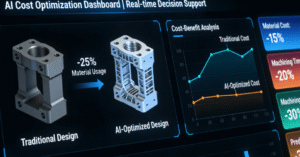
Figure 2: AI-powered analytics dashboards provide real-time insights into cost drivers, enabling data-driven decisions that prevent budget overruns and optimize resource allocation.
Key Factors Influencing CNC Prototyping Costs
CNC prototyping cost is affected by a combination of factors. The main cost drivers include:
l Material Cost: The cost difference between aerospace-grade aluminum alloys and common engineering plastics is significant.
l Design Complexity:Complex geometries, deep cavities, and small features require longer machining times and special tools, increasing costs.
l Tolerance Requirements:Extremely high dimensional accuracy requirements (e.g., ±0.025mm) necessitate more precise machinery, slower machining speeds, and more frequent inspections, driving up costs.
l Surface Finish:Secondary treatments like anodizing or plating add extra time and material costs.
AI-Driven Cost Optimization Strategies
AI in Manufacturing provides innovative solutions for optimizing CNC prototyping cost. AI algorithms can intelligently analyze CAD models to identify design features that have little impact on function but significantly increase machining costs. For example, the system might suggest rounding non-critical sharp corners to reduce tool wear and machining time. Furthermore, AI can optimize tool paths using machine learning, reducing idle travel and thereby increasing machining efficiency by up to 20%.
In terms of resource allocation, AI systems can predict equipment maintenance needs, enabling predictive maintenance to avoid delays and losses from unplanned downtime. Through intelligent scheduling, AI also ensures manufacturing resources are utilized to their fullest potential, further reducing the unit cost.
Case Study and Cost Savings Data
An automotive parts supplier developing a new sensor bracket used AI tools to simulate the cost impact of different Product Development Process decisions. The AI suggested minor adjustments to the bracket’s mounting arm and recommended a lower-cost alternative material with equivalent performance. As a result, the team saved 25% on costs during the prototyping stage, and due to the design optimization, the mold lifespan in subsequent production phases was extended by 15%. Such cases prove that AI not only reduces direct prototyping costs but also brings long-term economic benefits by optimizing the entire development process.
How Should Custom Prototype Manufacturers Integrate Automation Technology to Ensure Efficiency?
Strategic Steps for Integrating Automation Technology
For a custom prototype manufacturer, successfully integrating Automation Technology requires systematic planning. The primary step is process digitization, establishing a seamless digital thread that connects data from customer inquiries and design reviews to production planning and quality management. Next, automation should be prioritized in highly repetitive and error-prone areas, such as automated DFM (Design for Manufacturability) analysis, which can instantly identify potential manufacturing issues in design files.
Building Flexible Automated Manufacturing Cells
As project complexity and customization demands grow, the custom prototype manufacturer needs to build flexible manufacturing systems that can respond quickly to changes. This includes deploying advanced CNC machine tools with features like automatic tool changers, in-process measurement, and adaptive machining. For example, manufacturing cells integrated with robotic fixturing and AGVs (Automated Guided Vehicles) can enable 24/7 continuous operation, reducing rapid prototype delivery times from days to hours.
A successful case is a manufacturer that deployed a fully automated production line for rapid prototype services, achieving end-to-end automation from file upload to part delivery. After a client uploads a design file, the system automatically generates a quote, performs DFM analysis, and schedules production. Machines on the production line complete machining and preliminary inspection based on digital instructions. This highly integrated automation technology allows the manufacturer to reliably offer “same-day shipping” services, differentiating it in a competitive market.
Many manufacturers have successfully integrated automation technology and achieved leaps in efficiency through professional rapid prototyping services.
How to Obtain a Rapid Prototyping Service Quote and Utilize AI Tools for Decision-Making?
Obtaining an accurate rapid prototyping service quote is the first step in initiating a project. The traditional quoting process requires customers to provide information such as CAD files, material selection, quantity, tolerances, and surface finish requirements, which are then manually reviewed by an engineer, a process that can take 1-2 working days.
The manufacturing landscape is now being transformed by advanced AI in Manufacturing applications. AI-driven online quoting platforms can automatically analyze uploaded 3D model files, instantly identify geometric features, estimate machining time, and calculate material consumption. After users select parameters online, these systems can generate a detailed and transparent quote within minutes. This not only greatly improves efficiency and accuracy in cost estimation but also ensures reliability by adhering to international standards like IATF 16949, which mandates stringent process controls and traceability for consistent, high-quality outcomes .
To use these tools for optimal decision-making, customers can refer to the following strategy:
| Decision Factor | Traditional Method | AI-Assisted Decision |
| Quoting Speed | 1-2 working days | Within minutes |
| Cost Optimization Suggestions | Limited, relies on engineer experience | AI automatically suggests weight reduction, material alternatives, etc. |
| Integration of Quality Control Techniques | Quoted separately later | Quote includes recommended inspection plans and their costs |
By using AI tools for “what-if” analysis, customers can evaluate the impact of different design choices, materials, or tolerances on the final rapid prototyping service quote in real-time, enabling smarter, data-driven decisions and avoiding cost overruns at the source.
Conclusion
The deep integration of AI and rapid prototyping technology is fundamentally transforming traditional product development models. Through intelligent design optimization, automated quality control, and data-driven cost management, enterprises can significantly compress development cycles and effectively control project budgets. Faced with increasingly shorter product life cycles and intense market competition, adopting an AI-driven rapid prototyping strategy is no longer an option but a necessity for maintaining competitiveness.
Immediately contact a professional service provider like JS Precision to obtain customized rapid prototyping solutions and embark on an efficient manufacturing journey!
Author Biography
The author of this article is a senior manufacturing engineer with over 15 years of experience in precision machining and the rapid prototyping field. He is dedicated to applying cutting-edge technologies like AI and automation to the product development process. Having successfully helped hundreds of global clients in industries such as aerospace and medical devices achieve improvements in development efficiency and cost optimization, he possesses profound theoretical knowledge and rich practical experience.
FAQs
Q1: What are the main advantages of rapid prototyping?
A: Rapid prototyping allows for quick design iteration and functional validation, reducing development risks. Testing with physical models helps identify issues early, saving costs later and averaging a 50% reduction in the cycle time.
Q2: How is AI applied in manufacturing for quality control?
A: AI uses sensor data to monitor production in real-time, identifying defect trends. Machine learning algorithms optimize inspection processes, improve accuracy to millimeter levels, reduce human error, and enhance efficiency.
Q3: What are the key factors affecting CNC prototyping costs?
A: Cost depends on material type, part complexity, tolerance requirements, etc. AI tools can simulate designs, optimize parameters, and help select cost-effective solutions, avoiding unnecessary waste.
Q4: How to choose a reliable custom prototype manufacturer?
A: Evaluate the manufacturer’s technical capabilities, certifications (e.g., ISO 9001), and case studies. Prioritize suppliers offering comprehensive services (like DFM feedback) to ensure project progression goes smoothly.
Q5: What information is usually needed to get a rapid prototyping quote?
A: Information such as CAD files, material preference, and quantity is required. Online tools can generate instant quotes, but for complex projects, consulting an expert is recommended for accurate assessment and optimization suggestions.

From Personal Experience: Why a Specialized Estate Planning Attorney Can Change EverythingThe importance of working with a qualified, specialized estate planning attorney cannot be overstated, yet it is a lesson that far too many people learn the hard way. In the world of estate planning, the gap between a Estate Planning Attorney who truly knows their craft and a generalist trying to cover unfamiliar territory can mean the difference between success and failure, between protection and vulnerability, between resolution and prolonged conflict. I have seen firsthand the consequences of choosing the wrong professional, and it is an experience that has profoundly shaped my understanding of why expertise matters so much in this particular field. The reality is that not all professionals are created equal, and the quality of the representation or guidance you receive can have ripple effects that last for years or even decades. In this article, I will share what I have learned and why I believe that hiring the right specialist is one of the most consequential decisions you can make when facing matters related to estate planning. Why Specialization Is Essential in Estate Planning The field of estate planning has grown increasingly complex over the years. What might seem like a straightforward matter often involves layers of intricacy that only become apparent when you dig beneath the surface. Consider the challenge of structuring trusts and other vehicles to minimize estate and gift tax liability under constantly evolving federal and state tax codes. This alone requires extensive knowledge and experience to navigate effectively. Add to that the complexities of coordinating beneficiary designations across retirement accounts, insurance policies, and investment accounts with the overall estate plan and addressing the unique challenges posed by blended families, minor children, special needs dependents, and business ownership succession, and it becomes clear why a generalist simply cannot match the capabilities of a dedicated specialist. A specialized estate planning attorney has spent years, often decades, honing their expertise in this specific area. They have encountered virtually every scenario, complication, and challenge that can arise, and they have developed the judgment and skills necessary to handle each one effectively. This level of mastery is not something that can be replicated by reading a textbook or attending a seminar. It comes from sustained, focused practice in one area of expertise. A Personal Account: When Expertise Made All the Difference I personally found myself needing the assistance of a estate planning attorney when I was confronted with managing her late husband's estate and realizing their plan was woefully inadequate. Like many people, I underestimated the complexity involved and chose familiarity and comfort over competence by hiring someone we knew personally. The consequences were more severe than I could have anticipated. Critical deadlines for tax elections were missed, assets that should have been held in trust were distributed outright to beneficiaries who were not financially responsible, and a dispute erupted among family members that took years and tens of thousands of dollars in legal fees to resolve. It was only after speaking with a specialist later that I understood the magnitude of what had gone wrong. An estate planning specialist would have ensured the original plan was comprehensive, handled the administration efficiently, met all tax deadlines, and structured distributions in a way that protected the beneficiaries and preserved family harmony. This personal experience fundamentally changed my perspective on the value of expertise. I now firmly believe that when it comes to estate planning, cutting corners on professional guidance is never worth the short-term savings. The Difference Between a Generalist and an Expert Estate Planning Attorney Understanding the distinction between a generalist and an expert is crucial when your case is at stake. A generalist may be competent in many areas but exceptional in none. They spread their knowledge thinly across multiple disciplines, which means they are always working from a shallower knowledge base than a true specialist. An expert Estate Planning Attorney, on the other hand, brings comprehensive knowledge of trust and estate tax law that allows them to structure your plan for maximum tax efficiency and asset protection. They also provide the experience to anticipate future complications and build flexibility into your plan so it adapts to changing circumstances, and they understand a holistic approach that coordinates your will, trusts, powers of attorney, healthcare directives, and beneficiary designations into a cohesive strategy. This depth of knowledge translates directly into better outcomes for their clients. Research consistently shows that individuals who work with specialized professionals achieve significantly better results than those who rely on generalists. The reasons are straightforward: specialists see patterns that generalists miss, they know which strategies work in specific situations, and they have the experience to adapt quickly when circumstances change. They have also built professional networks within their specialty, giving them access to resources and expertise that a generalist simply does not have. The investment in specialized expertise pays for itself many times over through superior results, fewer complications, and greater peace of mind throughout the process. Practical Steps for Finding the Right Estate Planning Attorney When the time comes to hire a estate planning attorney, there are several practical steps you can take to ensure you find the right fit. Look for an attorney who devotes a substantial portion of their practice to estate planning specifically, not someone who handles it as a sideline. This is perhaps the single most important factor in your search. Ask about their continuing education and membership in professional organizations focused on estate planning and trust law, which indicate a commitment to staying current. Do not be afraid to interview multiple candidates and compare their approaches. Ensure they take the time to understand your complete financial picture and family dynamics before recommending any specific strategy. Remember that the cheapest option is rarely the best when it comes to professional expertise. While cost is certainly a consideration, it should be weighed against the potential consequences of inadequate representation. A good estate planning attorney will offer a clear fee structure and help you understand exactly what you are paying for and what value you can expect to receive in return. Avoiding Common Pitfalls In my experience, the most common mistake people make when hiring a estate planning attorney is prioritizing cost over competence. While it is understandable to want to minimize expenses, the cheapest Estate Planning Attorney is often the most expensive one in the long run when you account for mistakes, missed opportunities, and the cost of having to hire a specialist to fix what went wrong. Other common pitfalls include failing to verify credentials and experience, not asking enough questions during the initial consultation, relying solely on recommendations from friends or family without doing independent research, choosing someone who is conveniently located rather than optimally qualified, and waiting too long to seek professional help. By the time some people finally consult with a specialist, their case has already suffered avoidable damage that is difficult or impossible to reverse. Being proactive and thorough in your search will save you time, money, and frustration down the road. Do not let urgency or inertia lead you to a decision you will regret. The few extra hours you spend finding the right professional now can save you months of problems later. Why the Investment in Expertise Pays for Itself Some people hesitate to hire a specialist because they worry about the cost. This concern is understandable, but it reflects a misunderstanding of how professional services work in the field of estate planning. The truth is that hiring a specialist almost always saves money in the long run because they work more efficiently, make fewer mistakes, and achieve better outcomes than a generalist who is learning on the job at your expense. When you hire a specialist, you are paying for years of accumulated knowledge, a refined set of skills, and a proven approach to handling exactly the type of situation you are facing. A generalist, by contrast, must spend time researching issues that a specialist already knows by heart, which means you are effectively paying for their education while your case hangs in the balance. The math consistently favors the specialist. Final Thoughts Hiring an expert estate planning attorney is not merely a box to check. It is a strategic decision that can shape the outcome of your case in profound ways. The lessons I have learned through personal experience have convinced me that specialization is not optional in the field of estate planning. The complexities are too great, the stakes are too high, and the consequences of getting it wrong are too severe to leave your case in the hands of someone who is not fully equipped to handle it. Whether you are dealing with creating a comprehensive plan to protect your assets and provide for your loved ones or reviewing and updating your existing estate plan to reflect changes in your life and the law, the expertise of a dedicated specialist can provide you with the protection, guidance, and advocacy you need to achieve the best possible result. Take the time to find the right professional, ask the right questions, and invest in the expertise that your situation truly demands. Your future self will be grateful that you made the effort.

Why Simple Swaps Matter: Rethinking Everyday Bathroom Essentials

Mastering Your Academic Success: Using the GPA Calculator VIT