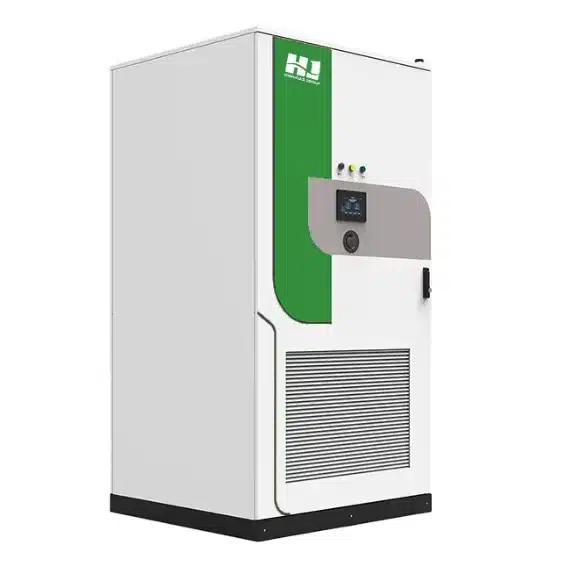
Choosing the right energy storage battery manufacturer can dramatically improve the performance, reliability, and lifespan of your solar or backup energy system. As renewable energy adoption continues to grow, homeowners and businesses now rely on advanced battery technologies to stabilize power supply, reduce electricity bills, and increase energy independence.
However, with so many models, chemistries, and specifications available, it can be overwhelming to decide which energy storage battery best fits your needs. This comprehensive guide explains everything you must know—battery types, features, sizing steps, safety considerations, long-term ROI, and more.
Why Energy Storage Batteries Matter Today
As the world shifts toward high-efficiency renewable systems, selecting a high-performance solar battery becomes essential. Modern energy storage solutions help:
- Lower electricity costs
- Improve power reliability
- Optimize solar generation
- Reduce carbon footprints
- Provide off-grid and emergency backup
A trusted energy storage battery manufacturer like HighJoule offers long-lasting, safe, and intelligent systems designed for residential, commercial, and industrial applications.
1. Understand the Main Types of Energy Storage Batteries
Before choosing a system, you must understand battery chemistries. Each type has its pros and cons.
Lithium-Ion Batteries (LiFePO4 – The Modern Standard)
Lithium iron phosphate (LiFePO4) technology is now the preferred option because of:
- High energy density
- Long cycle life (4,000–10,000 cycles)
- Fast charging
- Low maintenance
- Excellent safety
If you want maximum efficiency and reliability, this chemistry used in HighJoule’s solar battery is the ideal choice.
Lead-Acid Batteries (AGM, GEL, VRLA)
Older but more affordable. Best for:
- Low-budget installations
- Occasional backup power
- Low-demand environments
However, they are heavier, have shorter lifespans, and require more maintenance.
Flow Batteries
Used for large-scale commercial energy storage. Benefits include:
- Very long lifespan
- Deep cycling capability
- Excellent durability
However, they are expensive and not suited for small residential installations.
2. Step-by-Step Guide to Choosing the Right Energy Storage Battery
To make the best purchasing decision, follow this clear step-by-step process.
Step 1: Identify Your Power Consumption
Calculate:
- Daily energy use (kWh/day)
- Peak load demand (kW)
- Backup duration needed
Most homes require 5–15 kWh, while businesses may need 50–500 kWh or more.
Step 2: Determine Your Application Type
Different applications require different battery characteristics:
For Solar Self-Consumption:
Look for fast-charging batteries with high round-trip efficiency.
For Backup Power:
Prioritize depth of discharge (DoD) and lifespan.
For Off-Grid Living:
Choose high-capacity, high-cycle batteries with advanced BMS.
For Industrial Use:
Consider modular or containerized solutions.
Step 3: Evaluate the Battery’s Key Technical Specs
Below are the most important metrics to compare:
Capacity (kWh)
How much energy the battery can store.
Power Output (kW)
How much energy it can deliver at once.
Depth of Discharge (DoD)
Higher DoD = more usable energy.
Cycle Life
More cycles = longer lifespan.
Round-Trip Efficiency
Higher efficiency = less energy loss.
Battery Management System (BMS)
Ensures safety and performance optimization.
Products like the HighJoule solar battery include an advanced BMS for reliability.
Step 4: Confirm Compatibility with Your Inverter & Solar System
Your chosen energy storage battery must work seamlessly with:
- Hybrid inverters
- Solar charge controllers
- Grid-tied or off-grid systems
Always pick a system from a reputable energy storage battery manufacturer that offers universal compatibility or integrated solutions.
Step 5: Review Safety Certifications
Select batteries certified under:
- CE
- UL
- ISO
- UN38.3 safety standards
This ensures fire protection, cell stability, and electrical safety.
Step 6: Analyze Warranty & Support
A strong warranty indicates durable engineering. Look for:
- 8–15 years warranty
- Performance guarantees
- Local or global service support
HighJoule provides long-term coverage with advanced after-sales services.
3. Key Features to Look for in a High-Quality Energy Storage Battery
Choosing a battery isn’t just about capacity—focus on quality features designed for long-term performance.
High Cycle Lifespan
A premium battery lasts 10+ years, reducing replacement costs.
Scalability
Systems should allow expansion if energy needs increase.
Smart Monitoring
Modern systems include:
- App-based monitoring
- Real-time fault detection
- Performance analytics
Durability
Ensure the battery withstands:
- High temperatures
- Harsh weather
- Heavy cycling
Eco-Friendly Chemistry
LiFePO4 is the most environmentally safe option.
4. Why Choose a Trusted Energy Storage Battery Manufacturer?
Choosing a reputable provider ensures:
- High-quality components
- Better warranties
- Safer battery engineering
- Long-term performance
- Easy maintenance
HighJoule, a global leader in energy storage innovation, offers advanced monitoring, intelligent protection, and industry-leading solar battery solutions for every sector.
5. When to Buy a Solar Battery – The Best Time to Invest
The ideal time to purchase an energy storage battery is when:
- You have a solar system without storage
- Your utility costs are rising
- You experience power outages
- You want energy independence
- You plan to go off-grid
- You want an eco-friendly solution
The earlier you invest, the faster you benefit from long-term savings.
FAQs: Choosing the Right Energy Storage Battery
1. What size battery do I need for my home?
Most homes require 5–15 kWh, depending on daily consumption and backup time.
2. How long do lithium-ion solar batteries last?
Premium LiFePO4 batteries last 10–15 years with 4,000–10,000 cycles.
3. What is the safest battery chemistry?
LiFePO4 is widely considered the safest due to thermal stability and long lifespan.
4. Are solar batteries worth the investment?
Yes. They reduce electricity bills, provide backup power, and increase solar utilization.
5. How do I know the battery is compatible with my inverter?
Check specifications or choose a battery from a reputable energy storage battery manufacturer that offers universal compatibility.
6. Can I expand my battery capacity later?
Many advanced systems allow modular expansion, especially commercial ones.
7. Is maintenance required?
LiFePO4 batteries require minimal maintenance compared to lead-acid systems.
8. What’s the difference between capacity and power rating?
Capacity (kWh) = energy stored
Power rating (kW) = how much energy the battery can deliver at once
Conclusion: Choosing the Right Energy Storage Battery
The right energy storage battery can transform the way you use electricity making your home or business more efficient, secure, and sustainable. By understanding battery types, evaluating technical specifications, and choosing a trusted energy storage battery manufacturer, you can confidently invest in a battery that delivers long-term value.

Exploring the Potency of 10 mg THC Candies and How Individual Factors Contribute

How Much Do Agencies Charge for Website Design? A Complete Guide for Businesses

From Personal Experience: Why a Specialized Estate Planning Attorney Can Change Everything