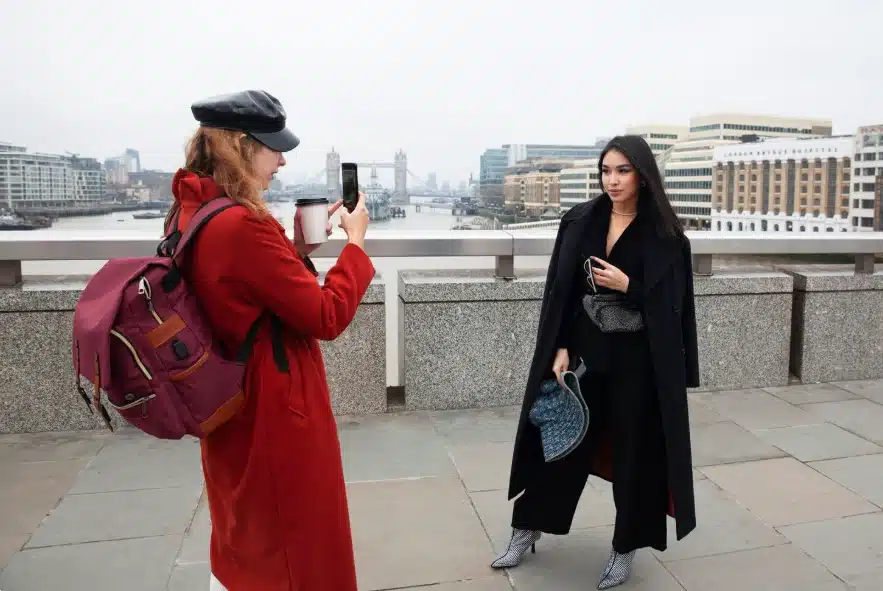
City travel offers excitement, variety, and constant stimulation. From busy streets to packed schedules, urban destinations give travelers access to culture, dining, and entertainment at every turn. While this energy is part of the appeal, it also creates a challenge many travelers face: finding the right balance between privacy and convenience.
Travelers want to be close to attractions, transportation, and daily essentials without feeling overwhelmed by noise, crowds, or constant interaction. Too much isolation can feel inconvenient, while too much exposure can become exhausting. This balance is often a deciding factor in accommodation choices and is frequently discussed in connection with Stay Portland, where thoughtful placement supports both accessibility and personal space.
Understanding how privacy and convenience work together helps travelers choose stays that feel comfortable, functional, and restorative. When this balance is achieved, city travel becomes more enjoyable and sustainable from start to finish.
Why Privacy Matters in Urban Travel
Cities are naturally busy environments. Constant movement, sound, and activity can become draining.
Private spaces allow travelers to step away from stimulation and recharge between outings.
The Importance of Personal Space While Traveling
Travel often involves shared environments and unfamiliar surroundings. Without personal space, stress builds quickly.
Private accommodations give travelers control over their environment and daily rhythms.
Convenience as a Key Travel Expectation
Convenience shapes how smoothly a trip unfolds. Easy access to essentials reduces friction.
When locations are convenient, travelers spend less time planning logistics and more time enjoying the city.
How Overcrowding Impacts Travel Enjoyment
Crowded lobbies, shared hallways, and constant foot traffic reduce comfort.
Privacy minimizes these stressors and supports relaxation after busy days.
Finding Balance Instead of Extremes
Too much privacy can feel isolating, while too much exposure feels overwhelming.
Balanced accommodations offer quiet retreat without sacrificing accessibility.
Location as the Bridge Between Privacy and Access
Where a stay is located determines how privacy and convenience interact.
Residential areas near key destinations often provide the best balance.
Supporting Quiet Evenings After Active Days
City days are full of activity. Quiet evenings support recovery and rest.
Private spaces help travelers unwind without disruption.
Maintaining Independence While Traveling
Independence increases confidence. Travelers prefer controlling schedules and routines.
Private accommodations support this autonomy naturally.
Why Proximity Reduces Travel Fatigue
Long commutes add physical and mental fatigue.
Convenient locations preserve energy and improve daily comfort.
Avoiding Constant Interaction With Strangers
Some travelers enjoy social settings, while others prefer solitude.
Private accommodations allow interaction by choice, not obligation.
How Convenience Enhances Spontaneity
When attractions and services are nearby, plans can change easily.
Spontaneous exploration becomes part of the experience.
Privacy as a Tool for Emotional Balance
Travel can be emotionally demanding. Privacy supports emotional regulation.
Time alone helps travelers process experiences and recharge.
Staying Connected Without Feeling Exposed
Travelers want access to the city without feeling on display.
Balanced stays allow engagement without constant visibility.
Supporting Different Travel Styles
Solo travelers, couples, and families all value privacy differently.
Flexible accommodations adapt to these needs more effectively.
Noise Control and Rest Quality
Urban noise affects sleep and focus.
Private, well-placed spaces improve rest and overall satisfaction.
The Role of Neighborhood Choice
Neighborhoods influence atmosphere. Some areas feel calmer and more residential.
Choosing the right neighborhood enhances both privacy and convenience.
Reducing Stress Through Predictable Environments
Predictability reduces anxiety.
Private spaces provide consistency within the dynamic city environment.
Access to Essentials Without Crowds
Convenient access to groceries, cafes, and transit matters.
Privacy allows travelers to enjoy these benefits without constant exposure.
Supporting Remote Work During City Travel
Many travelers work while exploring cities.
Private spaces enable productivity while convenient locations support balance.
Avoiding Sensory Overload
Cities overload the senses. Lights, sounds, and crowds add up.
Privacy offers relief from constant stimulation.
Feeling Safe and Comfortable
Privacy contributes to a sense of safety.
Comfort increases when travelers feel secure in their space.
The Psychological Value of a Retreat
Having a personal retreat improves confidence and comfort.
Travelers explore more freely when they know rest is available.
How Privacy Encourages Longer Stays
Without privacy, long stays feel exhausting.
Balanced accommodations make extended travel enjoyable.
Convenience Without Compromise
Some accommodations sacrifice privacy for location.
Thoughtful stays deliver both without compromise.
Supporting Healthy Daily Routines
Privacy allows travelers to maintain routines.
Convenience ensures those routines fit city life.
The Impact of Check-In and Entry Experience
Crowded check-in processes add stress.
Private entry simplifies arrival and departure.
Managing Energy Throughout the Day
Energy fluctuates during travel.
Private spaces support rest when needed.
Feeling in Control of the Travel Experience
Control increases satisfaction.
Privacy and convenience together support this control.
How Balanced Stays Improve Mood
Reduced stress improves mood.
Comfortable environments enhance emotional well-being.
Avoiding the Feeling of Being Rushed
Long commutes and crowded spaces create urgency.
Convenient locations support relaxed pacing.
Supporting Couples and Shared Travel
Privacy matters even when traveling together.
Personal space supports harmony.
Adapting to Different City Rhythms
Cities change throughout the day.
Balanced accommodations adapt easily to these shifts.
Why Travelers Seek Calm Within Activity
Activity excites, but calm sustains.
Privacy provides necessary contrast.
Encouraging Mindful Exploration
When travelers are rested, they engage more mindfully.
Privacy enhances appreciation.
How Balance Shapes Travel Memories
Memories are shaped by how travelers feel daily.
Balanced stays create positive emotional associations.
Supporting Confidence in Solo Exploration
Private bases empower solo travelers.
Confidence increases freedom.
Reducing Burnout During City Trips
Burnout reduces enjoyment.
Privacy helps prevent exhaustion.
Convenience as a Safety Factor
Easy access reduces risky situations.
Short distances improve confidence.
The Role of Thoughtful Planning
Balance does not happen accidentally.
Thoughtful accommodation choices make it possible.
Creating a Comfortable Home Base
A reliable home base supports exploration.
Comfort encourages curiosity.
How Balanced Stays Support Flexibility
Flexible days require adaptable spaces.
Privacy and convenience together allow this flexibility.
Avoiding Travel Fatigue Over Time
Repeated exposure drains energy.
Balanced environments sustain enjoyment.
Why Balance Matters More Than Luxury
Luxury does not replace comfort.
Balance defines quality.
Supporting Diverse Preferences
Not all travelers want the same experience.
Balanced stays appeal broadly.
The Evolution of Urban Travel Needs
Modern travel blends work, leisure, and rest.
Accommodations must support all three.
How Balance Encourages Return Visits
Positive experiences encourage loyalty.
Travelers return to what works.
Trust Built Through Comfort and Access
Consistency builds trust.
Balanced stays deliver reliability.
Why This Balance Defines Modern City Travel
Modern travelers value control and ease.
Privacy and convenience deliver both.
Choosing Stays That Respect Personal Boundaries
Respect improves satisfaction.
Privacy protects boundaries.
Making City Travel Sustainable
Sustainable travel requires rest.
Balanced accommodations support longevity.
Why Balanced Experiences Feel Effortless
Effortless travel feels enjoyable.
Balance removes friction.
Conclusion
City travel thrives on access, energy, and opportunity, but without privacy, these benefits can quickly become overwhelming. Travelers need spaces that allow them to retreat, rest, and reset while still staying connected to everything a city offers. When privacy and convenience work together, travel becomes both exciting and sustainable.
Thoughtfully balanced accommodations, such as those associated with Stay Portland, show how city stays can offer quiet comfort without sacrificing location or access. By choosing places that respect personal space while supporting exploration, travelers create city experiences that feel calm, confident, and genuinely rewarding long after the trip ends.

The Ultimate Guide to Family-Friendly Communities: Planning Your Family Vacation to Destin Florida

Our First Winter Trip to Aspen — And the Decision That Made It Stress-Free

Vacbird Vacuum Travel Bags: Smart Space-Saving Storage for Every Trip