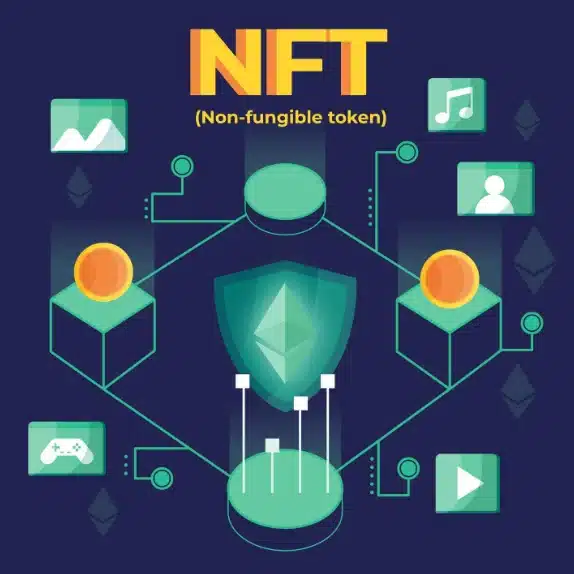
Everyone wants their NFT project to be successful, but not understanding how Web3 basics like smart contracts apply to NFT tech kills your chances. These crucial pieces of digital asset tech automate how NFTs behave after their development, including how they’re transferred between owners. So, if you want to be able to launch and sell NFT apps and projects, understanding smart-contract NFT builds is essential.
Here’s a brief guide, from project inception to deployment.
Establishing a Foundation
NFT project development typically begins with the artistic elements, such as the look and theme of the tokens in your collection. Ultimately, crypto asset development is about the assets themselves, so it makes sense to start by making sure they’re appealing. Some decisions you make at this stage will affect the development of your smart contract; however, including whether your tokens evolve over time and how they can be used by future owners.
Preparing Artwork and Metadata
With your theme in place, the next step is to actually get down to NFT development . That means creating the actual artworks that will be sold. You’ll also need to create JSON or other metadata files for each piece in your collection. These crucial pieces of token-creation tech store essential pieces of information like each NFT’s name, traits and more. This is how future owners will verify that they own a unique asset.
Writing the Smart Contract
At this stage of NFT software development, it’s time to automate the rules of your project by creating your smart contract. Most NFT collections exist on the Ethereum blockchain and are governed by common smart contract templates like ERC-721. Blockchain NFT tools like this template help ensure all NFTs behave predictably, giving buyers and sellers the confidence they need to transact.
If you are not involved in the technical side of NFT project development, your job at this stage is to communicate your intended user experience clearly. Then, your developers can code this into the smart contract.
Testing and Reviewing Security
One benefit of blockchain integration in web development is the ability to create online “testnets,” which developers can use to see whether the smart contract behaves as expected in a simulated environment. This helps you catch any bugs and vulnerabilities early, before your project goes live.
Once your team is satisfied with your NFT system design, you may then commission a smart contract audit, where an independent auditor will test everything thoroughly. This can increase confidence in your project and help ensure that it adheres to Australia’s updated rules for virtual assets .
Deployment
This is the stage at which your contract is permanently fixed on the blockchain. Now, you can set the date for the release, or “minting” of your NFTs, and their initial cost. Once deployed, your NFTs will appear in web3 NFT platforms, where they can be bought and sold.
Conclusion
These are the five central stages of building and deploying an NFT smart contract, which provide you with an overview of this essential Web3 technology. Each step can be further broken down into several technical tasks, but you’ll find the projects much more manageable with a clear understanding of the big picture.

How Accounting Firms Deliver Accuracy In Financial Reporting

How Certified Public Accountants Support Tax Planning Year Round

5 Reasons Business Accountants Are Critical For Startups