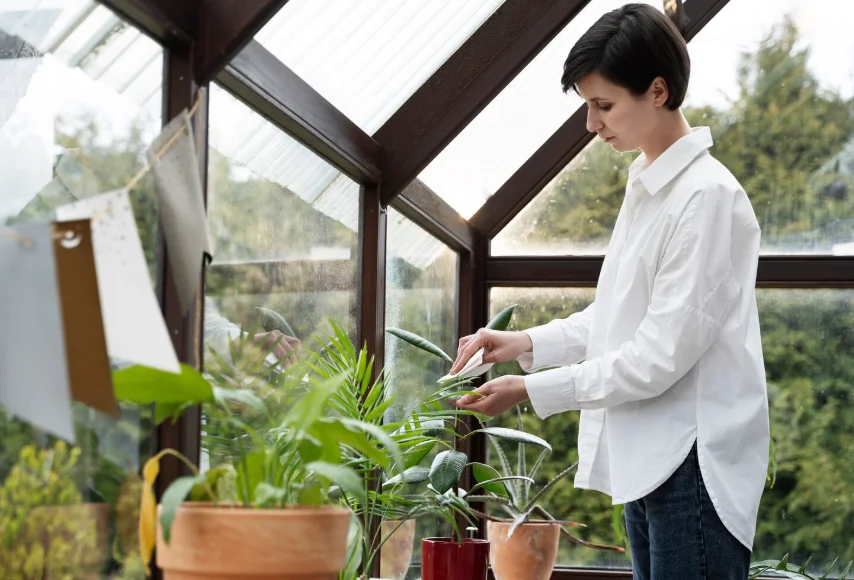
Acrylic, often used as a safer, lighter, and more durable alternative to traditional glass in greenhouses, offers excellent light transmission and weather resistance. However, even high-quality acrylic sheets will eventually degrade due to constant exposure to UV radiation, moisture, and temperature fluctuations.
Recognising the early signs of wear and tear is crucial for maintaining the structural integrity of your greenhouse and ensuring optimal growing conditions for your plants.
Ignoring these indicators, on the other hand, can lead to poor thermal retention, light inefficiency, and eventual panel failure. Here are the key signs that your acrylic greenhouse sheets will soon require replacement.
Early Changes That Suggest Wear
As your sheet ages it develops small marks that weaken the surface and these marks slowly interfere with the way light passes into the space. When the panel no longer looks even across the surface, you’ll often need a replacement acrylic greenhouse sheet, so you can keep the clarity high and the frame strong and durable.
When one panel looks different from the rest, it normally means light levels are not consistent across your greenhouse. You may see the centre stay clear while the edges look dull, which suggests the sheet is stretching or wearing at the frame. This uneven look grows more obvious during bright days because the marks scatter sunlight and reduce its strength.
-
Cracks, Stress Marks and Surface Problems
Fine cracks often appear after small knocks and these cracks can travel outward when the sheet expands on warm days. If you notice clouded lines around fixings or clips, the sheet has lost some of its flexibility and may be close to failing. You may also find small dents from tools or fallen pots and although these dents seem harmless at first, they can deepen when the acrylic bends during strong wind.
Scratches change the surface texture so moisture collects in the grooves after a shower and this affects light quality during dull spells. A smooth sheet dries quickly because the water slides off the surface, but a marked sheet holds droplets that leave slow drying patches. Over time these marks make the panel look foggy since dirt clings to the scratches and becomes harder to remove with mild cleaners.
-
Colour Changes and Reduced Light Clarity
Healthy acrylic has a bright, clear look so any change in colour signals a shift in the sheet’s strength. A yellow or brown tint suggests that sunlight has softened the material and reduced its ability to protect plants. This tint affects growth because it blocks some natural light and makes the greenhouse look darker than usual.
A dull panel also casts softer shadows inside and this change is easy to see on bright days. If the shadows appear faint or blurred, the panel is no longer letting in full light strength which means your plants receive weaker daylight than they should.
-
Leaks, Loose Seals and Movement
Moisture inside the greenhouse often points to loose seals along the edges of the sheet. If water enters during heavy rain you’ll find wet patches on shelves or damp compost in trays even when the roof looks closed.
Stand inside and look along the frame on a bright day and if you spot thin lines of daylight around the panel, the sheet has already pulled away from its fixings. Panels that move slightly when you push on them are also close to failing because movement means the frame can no longer hold the sheet firmly in place.
Conclusion: When to Act
When you spot early cracks, colour changes, leaks or dull patches, you know your acrylic panel has reached the end of its useful life. Acting in good time protects your plants, keeps the frame steady during storms and helps you maintain strong light levels through the growing season.
By paying attention to these subtle but important signs, you keep your greenhouse safe, bright and ready for reliable use year after year. This helps you avoid sudden repair work and keeps your growing space dependable through changing seasons.
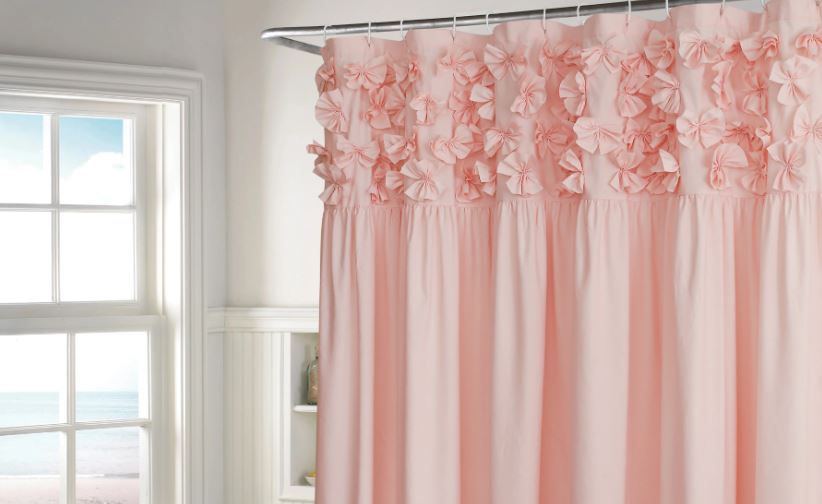
What Are the Benefits of a Ruffled Shower Curtain for Homeowners?

What Sets a Top Marketing Video Agency Apart from the Rest

Winnipeg Kitchen Countertops – Which One Suits You?