Which Bounce House Size Should You Buy for Your First Events So It Fits Most Venues?
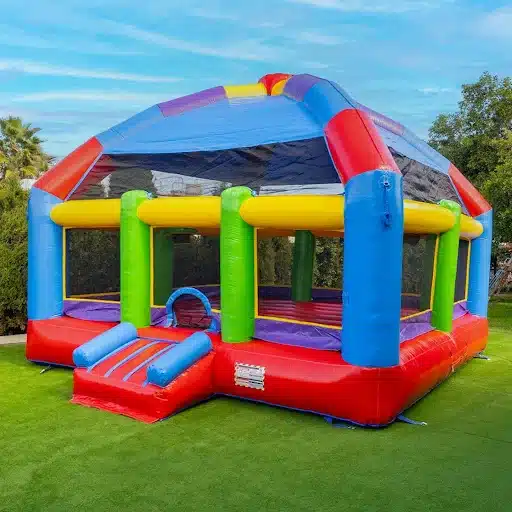
Buying your first bounce house is exciting—until “size” becomes the reason you lose bookings or struggle on setup day. A lot of first-time buyers choose a unit that looks great online, then find out it won’t fit through a side gate, takes too long to pack between party times, or is simply too bulky to keep clean and dry on a tight weekend schedule.
For your first season, the best size usually isn’t the biggest. It’s the one that fits the widest range of real venues in the U.S.—backyards, driveways, school fields, churches, community centers, and local events. This guide gives you a practical method (plus a quick checklist) to pick the right size without overbuying.
The 60-Second “Will It Fit?” Checklist
Before you shop themes and colors, write down the basics. This quick step prevents most beginner mistakes.
- Typical setup space: ____ ft × ____ ft
- Gate width / access path: ____ ft (and note tight turns)
- If you’ll do indoor events: ceiling height ____ ft
- Crew size: 1 / 2 / 3+ people
- Vehicle: SUV / pickup / van / trailer
- Turnover pace: low / medium / high (multiple bookings per weekend?)
If you’re not sure yet, estimate based on the most common booking type in many U.S. areas: backyard birthdays and neighborhood parties.
Why “Bigger Is Better” Usually Backfires in Year One
In your first year, your goal isn’t maximum capacity. It’s maximum bookings.
A larger bounce house can look more “premium,” but it also:
- fits fewer yards and fewer indoor spaces
- takes longer to set up, clean, dry, and roll
- often needs more crew to move safely
- leads to more customers asking, “Will it fit?” and you having to say no
A flexible, easy-to-handle unit that fits most venues often earns more because it books more frequently and runs more efficiently.
The Most Overlooked Detail: Real-World Clearance
When a listing shows dimensions, it’s usually the inflatable footprint—not the full setup reality. You also need space for:
- a buffer around the unit for supervision
- an entry area where kids line up and adults stand
- blower tube placement and safe power-cord routing
- anchoring space (stakes, straps, or sandbags depending on the surface)
If a unit “just fits” on paper, it often doesn’t fit in real life. Planning extra clearance saves you from awkward, unsafe setups.
A Practical Size Guide for First-Time U.S. Events
Instead of getting stuck on exact measurements, think in three size ranges. What matters most is what you can book easily and operate smoothly.
Compact Size: Best for Backyards, Tight Access, and Fast Turnovers
Choose compact if you expect:
- lots of backyard birthday parties
- narrow side gates, smaller yards, or fenced spaces
- occasional indoor community rooms
- a small crew (often two people)
Why compact units win early:
- fewer access problems
- faster setup and pack-down
- easier cleaning and drying
- more venues say yes because it fits
Compact doesn’t mean low profit. It often means more repeatable bookings.
Mid-Size: The Best All-Around First Purchase
For most first-time owners, mid-size is the sweet spot. It balances:
- strong presence at events
- practical placement in many typical yards
- manageable transport and storage
- solid earning potential without “too big” limitations
If you’re unsure what your local market will request most, mid-size is usually the safest starting point.
Large Size: Great for Schools and Big Community Events, Risky as Your First Unit
Large units can make sense if your events are consistently:
- school field days
- festivals, fairs, and city events
- large corporate or community gatherings
But for mixed bookings, large units are more likely to cause problems:
- fewer yards can fit them
- indoor ceiling height becomes a hard limit
- more crew and time required for safe handling
- longer drying and cleaning time between hires
Large is often an excellent second purchase after you confirm you have consistent venues that can handle it.
The Hidden Cost Beginners Miss: Handling and Packing Reality
Your first bounce house should be operator-friendly, not just customer-friendly. Ask yourself:
- Can we move it without dragging and stressing seams?
- Can we roll it quickly between events without rushing?
- Will it load into our vehicle cleanly without awkward bending or squeezing?
- Do we have storage space that keeps it dry between bookings?
A slightly smaller unit that’s easier to handle usually stays in better condition and earns more because you can run it more often with less hassle.
A Smart “First Two Purchases” Strategy
Don’t try to buy the “perfect everything” inflatable first. A simple growth plan works well:
- Start with a flexible standard bounce house (your consistent booking workhorse)
- Add a bounce house with slide or a themed upgrade once you know what customers ask for most
This prevents overspending on a unit that only fits a narrow set of venues.
Quick Questions to Ask Before You Buy
Before you order, make sure you can confidently answer:
- Will it fit the average yard or driveway in my area with proper clearance?
- Will it fit through common side gates or access paths?
- Can my usual crew move it safely without rushing?
- Can it be loaded into my vehicle without damaging the unit?
- Is the cleaning and drying routine realistic for my schedule?
- Can I store it in a dry space between hires?
If any of these are uncertain, consider sizing down or choosing a more compact layout.
How to Compare Layouts Without Getting Overwhelmed
When you’re narrowing down options, it helps to browse a catalog that’s organized by category (standard bounce houses, slide combos, obstacle-style units, and so on). That makes it easier to compare footprints and layouts and build a shortlist faster. If you want a simple reference point to see common styles and size ranges in one place, you can browse https://www.eastjump.com/ while you decide what fits your venues.
Final Takeaway
For your first events, the right bounce house size is the one that fits the most venues, turns over quickly, and doesn’t punish you on transport and storage. Choose a unit you can set up safely, keep dry, and operate confidently weekend after weekend. After a handful of real bookings, your customers will tell you exactly what your next size or upgrade should be.
Always follow local rules and manufacturer guidance for supervision, anchoring, and safe operation at public events.
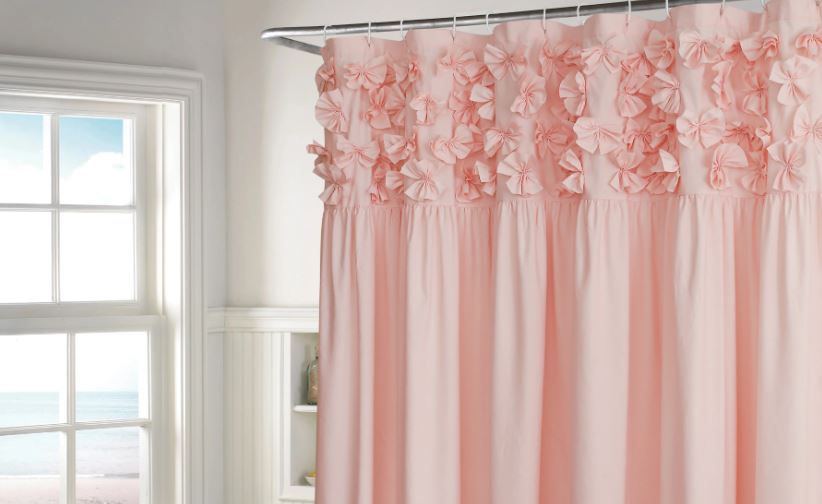
What Are the Benefits of a Ruffled Shower Curtain for Homeowners?
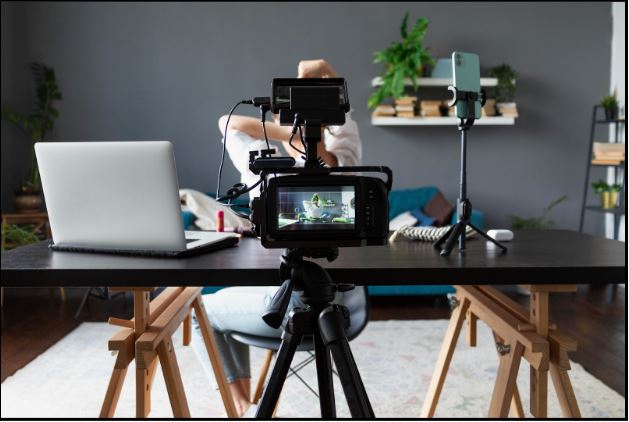
What Sets a Top Marketing Video Agency Apart from the Rest
Winnipeg Kitchen Countertops – Which One Suits You?