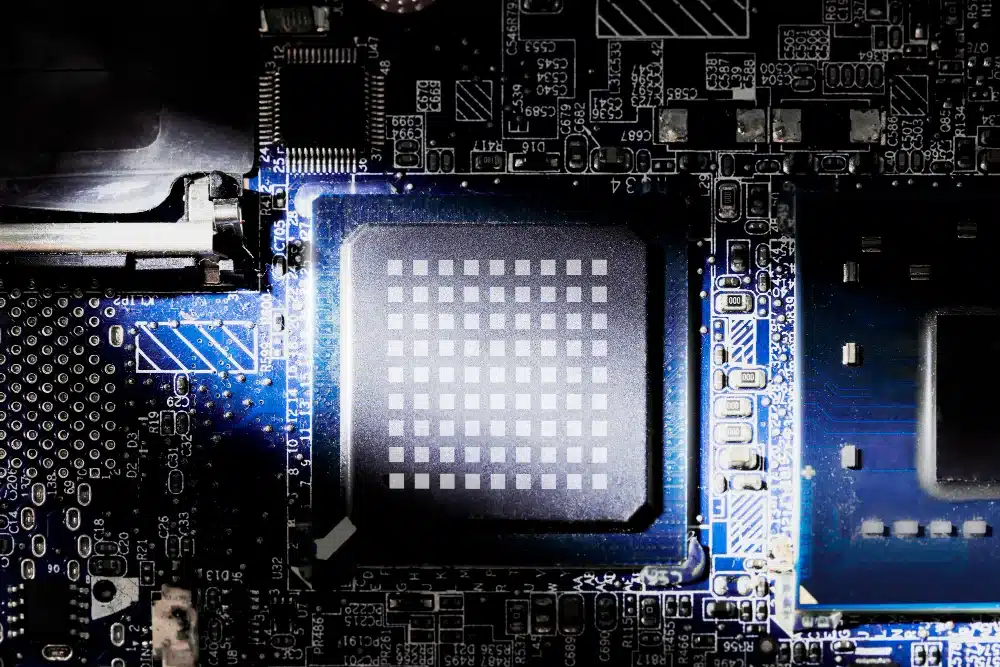
The i5 7400 is one of Intel’s most well-known mid-range desktop processors from the 7th generation Core lineup. Even years after its release, many users still search for this CPU to understand its performance, compatibility, and current value. Whether you are upgrading an older PC, buying used hardware, or just curious about its capabilities, this guide explains everything in a clear and practical way.
This article covers what the processor is, its real-world performance, detailed i5 7400 specs, gaming capability, comparisons, and whether it still makes sense today.
What Is Intel Core i5 7400?
The Intel Core i5-7400 is a 7th-generation desktop processor based on Intel’s Kaby Lake architecture. It was released in early 2017 and targeted mainstream users who wanted solid performance without paying for high-end CPUs.
This processor sits between entry-level Core i3 chips and premium Core i7 models. It focuses on balanced performance, power efficiency, and reliability. Unlike newer CPUs, it does not support hyper-threading, but it still delivers strong single-core performance for everyday tasks.
At launch, it was widely used in home PCs, office systems, and budget gaming builds.
Intel Core i5 7400 Specs (Detailed Breakdown)
Understanding the i5 7400 specs is essential before deciding whether it fits your needs.
CPU Architecture and Core Design
The i5-7400 is built on Intel’s 14nm Kaby Lake architecture. It comes with:
- 4 physical cores
- 4 threads
- No Hyper-Threading
This design favors stability and consistent performance rather than heavy multitasking.
Clock Speeds and Cache
Clock speed plays a major role in real-world performance.
- Base clock: 3.0 GHz
- Turbo Boost: Up to 3.5 GHz
- Cache: 6MB Intel Smart Cache
The Turbo Boost feature automatically increases speed when workloads demand it.
Power Consumption and Thermals
The processor has a 65W TDP, which means it is power-efficient and does not require expensive cooling. A standard air cooler is usually enough for stable operation.
This makes it suitable for compact and quiet PC builds.
i5 7400 Integrated Graphics Explained
The Intel Core i5-7400 includes Intel HD Graphics 630, which allows the system to run without a dedicated graphics card.
Intel HD Graphics 630 Overview
Key features include:
- Support for Full HD and 4K video playback
- DirectX 12 support
- Up to three display outputs
- Smooth performance for daily tasks
This integrated GPU is ideal for office work, video streaming, and casual use.
Can You Game on i5 7400 Without a GPU?
Light games and older titles can run on integrated graphics. However, modern games require a dedicated GPU. Intel HD Graphics 630 is not designed for high-end gaming.
i5 7400 Performance in Real-World Use
Everyday Tasks and Office Work
For basic computing, the processor performs well.
It handles:
- Web browsing
- Office applications
- Video streaming
- Light multitasking
The experience remains smooth for daily use.
Gaming Performance with a Dedicated GPU
When paired with a mid-range graphics card, the i5 7400 can still handle many games at 1080p.
It works best with GPUs like:
- GTX 1050 Ti
- GTX 1060
- RX 570
In CPU-heavy games, performance may be limited compared to modern processors.
Content Creation and Multitasking Limits
This CPU struggles with demanding workloads such as:
- Video editing
- 3D rendering
- Heavy multitasking
The lack of extra threads becomes noticeable in modern creative software.
Motherboard, RAM, and Compatibility
Supported Socket and Chipsets
The i5-7400 uses the LGA 1151 socket.
Compatible chipsets include:
- B250
- H270
- Z270
Some older 100-series boards may work with BIOS updates.
Supported RAM Types and Speeds
The processor supports:
- DDR4 up to 2400 MHz
- DDR3L (limited support)
- Maximum memory: 64GB
Faster RAM does not provide major gains due to chipset limits.
GPU Compatibility and Bottleneck Guide
The i5-7400 pairs well with entry-level and mid-range GPUs. High-end GPUs may experience CPU bottlenecks in newer games.
Balanced pairing is key for best results.
i5 7400 vs Other CPUs
i5 7400 vs i5 7500 and i5 8400
- i5-7500 offers slightly higher clocks
- i5-8400 introduces more cores and better multitasking
The performance gap becomes clear in newer software.
i5 7400 vs Ryzen Alternatives
AMD Ryzen CPUs offer more threads and better multitasking. However, the i5-7400 still holds an edge in single-core performance for older applications.
i5 7400 vs Newer Core i3 CPUs
Modern Core i3 processors often outperform the i5-7400 due to architectural improvements and hyper-threading support.
Is i5 7400 Still Worth Buying in 2025?
The answer depends on your use case.
Good Choice If:
- You are upgrading an old LGA 1151 system
- You need a budget CPU for basic tasks
- You plan to buy used hardware at a low price
Not Ideal If:
- You want future-proof performance
- You run demanding software
- You plan to build a new PC
Pros and Cons of Intel Core i5 7400
Pros
- Stable performance
- Low power consumption
- Reliable Intel platform
Cons
- No Hyper-Threading
- Outdated platform
- Limited upgrade path
Common Questions About i5 7400
Is i5 7400 good for gaming?
It is suitable for light to moderate gaming with a dedicated GPU.
Can i5 7400 run Windows 11?
Official support is limited, though workarounds exist.
What GPU is best for i5 7400?
Mid-range GPUs provide the best balance.
Should I upgrade from i5 7400?
Yes, if you need better multitasking or modern performance.
Final Verdict on i5 7400
The i5 7400 was a strong mid-range processor in its time. Today, it remains usable for basic computing and light gaming but falls behind modern CPUs in multitasking and future readiness.
If you already own it, it can still serve well. If you are building a new PC, newer processors offer far better value and performance.

How Federal Assistance Programs Now Support More Than Their Original Purpose

How Email Widgets Can Support Time-Sensitive Email Marketing
Deepseekplay com: A Comprehensive Guide to Features and Benefits