Prototyping is the creation of preliminary models used to test and optimize design concepts before full-scale mass production. Integrating CNC technology into this phase allows designers to rapidly transform concepts into tangible physical prototypes within hours. To fully understand the capabilities and applications of CNC prototyping, please read the details below.
What is Prototyping?
In essence, prototyping is the preliminary model or early version of a product. It serves as a tangible physical representation that allows us to test, optimize, and validate design concepts before committing to mass production. Prototyping significantly reduces production risks and facilitates the collection of valuable user feedback early in development, ensuring the final product is both successful and cost-effective.
Why is CNC Ideal for Prototyping and Manufacturing?
Traditional prototype manufacturing was a time-consuming manual process with limited precision. However, the advent of Computer Numerical Control (CNC) technology has revolutionized the workflow, making it more precise and highly efficient. CNC is a manufacturing method where machines are controlled by pre-programmed computer software. It converts digital designs into physical prototypes by precisely cutting or shaping materials such as metal and plastic.
How Does CNC Prototyping Work?
The CNC prototype service begins with creating a digital design using CAD (Computer-Aided Design) software. This design is then converted into machine code (G-code). A CNC machine, equipped with various cutting tools, follows this code to precisely shape or cut the selected material, resulting in a high-fidelity prototype.
Which CNC Machining Methods are Best for Prototyping?
CNC machining is inherently a subtractive manufacturing process. Depending on specific project requirements, several techniques can be utilized:
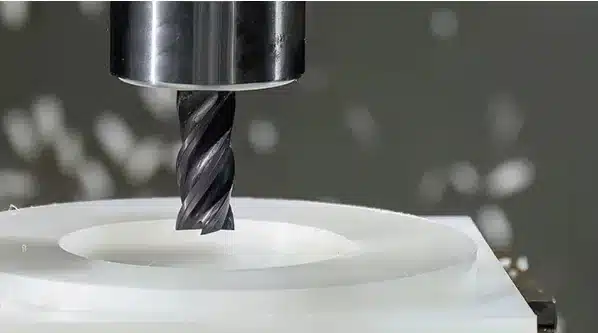
- CNC milling: The most versatile and popular method for prototyping, utilizing rotating cutting tools to remove material from a workpiece.
- CNC turning: Ideal for prototypes requiring cylindrical components or rotational symmetry.
- CNC drilling: A fundamental process used to create precise holes and cavities within a workpiece.
Advantages of CNC Prototyping
While CNC technology is highly practical and efficient for both prototyping and production, weighing its pros and cons helps in making an informed decision.
Precision and Accuracy
One of the most significant advantages of CNC machining is its ability to consistently maintain tight tolerances, typically reaching ±0.005 inches (0.127 mm), and even ±0.001 inches (0.025 mm) for high-precision applications.
Fast Lead Times
The rapid production capabilities of CNC machining allow for the simultaneous evaluation of multiple design iterations. This enables teams to analyze different versions and quickly identify the optimal solution.
Production-Grade Testing Parts
CNC can produce pre-production prototypes that are approximately 99% similar to parts made via mass-production processes. This allows companies to test assembly methods, fixtures, and functionality before investing in expensive tooling and capital.
Cost-Effectiveness
CNC machining has low upfront costs, making it particularly suitable for complex designs and low-volume production. Design changes simply require modifying the CAD file, resulting in minimal incremental costs.
Material
CNC machining allows for the simulation, testing, and validation of different material options early in the design phase. Common materials suitable for CNC prototyping include:
- Metals: Aluminum, Steel, Stainless Steel, Brass, Copper, Titanium, Magnesium Alloys.
- Plastics: Polypropylene (PP), Polyethylene (PE), PVC, Polystyrene (PS), Polycarbonate (PC), Nylon (PA), Polyimide (PI).
- Composites: Carbon fiber composites, Fiberglass composites.
- Others: Wood, Ceramics, Marble, Gypsum, High-density foam board, Rubber, etc.
Limitations of CNC Prototyping
- Material waste: As a subtractive process, CNC generates significant scrap, which is especially notable when using expensive or rare materials.
- Tool accessibility constraints: CNC tools may struggle to machine complex internal features. In such cases, combining CNC with 3D printing technology may be considered to bridge the gap.
How to Maximize Cost Savings in CNC Prototyping?
While CNC is the preferred method for prototyping, cost control remains vital. Here are some practical strategies:
Is Surface treatment necessary? If the prototype is solely for functional verification, you can reduce post-processing requirements by lowering surface roughness specifications or omitting finishing services.
Can tolerances be relaxed? Stricter tolerances generally command higher prices. Utilizing default tolerances wherever possible is an effective way to control costs.
Consider alternative materials: Opt for more economical materials provided they meet performance requirements. For example, using 6061 Aluminum for a prototype is typically more cost-and-time-efficient than using 7000-series aluminum or titanium.
How LKprototype Can Help?
Established in 2009, LKprototype is a prototype manufacturer that provides a comprehensive one-stop solution for your manufacturing needs. LKprototype specializes in high-precision CNC machining, vacuum casting services, small to medium batch injection molding, sheet metal fabrication, and 3D printing. Our wide range of capabilities and ISO-certified quality control system allows us to serve diverse industries across the globe, delivering quality products that meet stringent international standards.
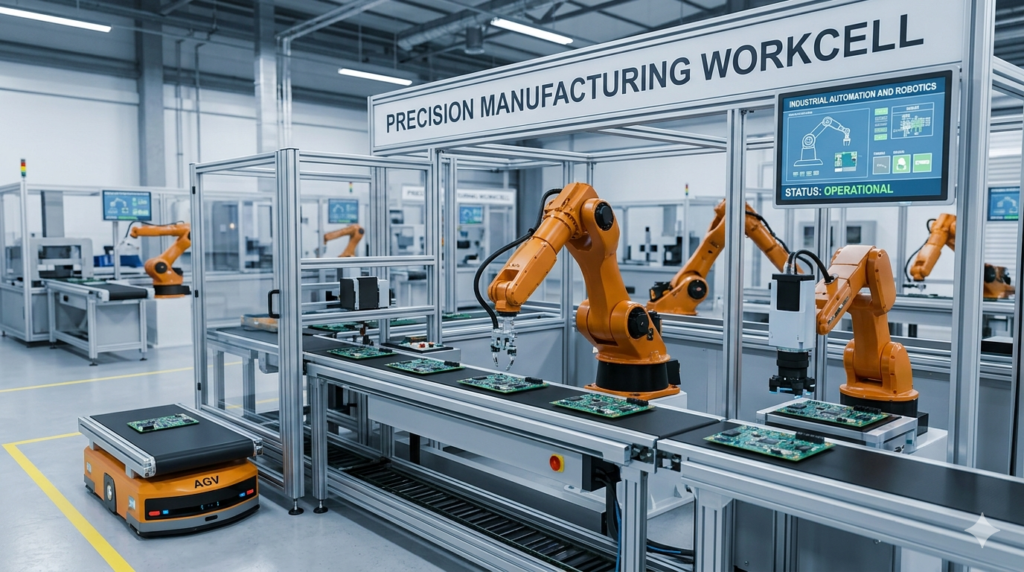
Why Industrial Automation and Robotics Are Essential for High-Precision Manufacturing
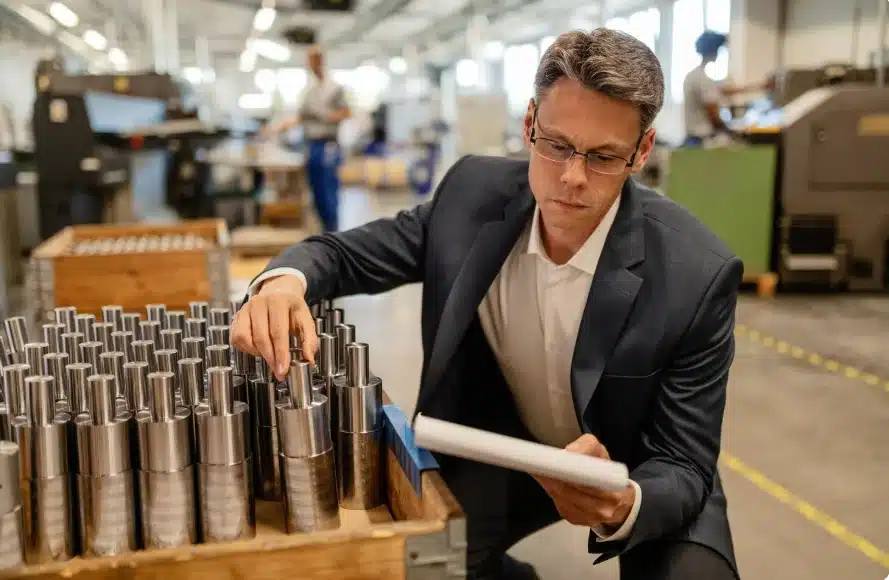
Is Investment Casting Right for Your Industry? Here’s What to Know
Why CNC Machining is Premium Choice for Prototyping?