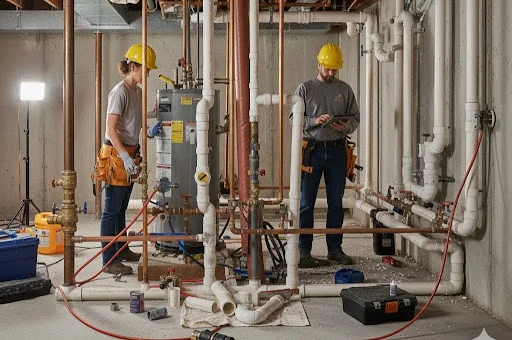
Maintaining a home’s plumbing system is more than just fixing leaks—it’s about protecting your property, ensuring efficiency, and extending the life of your pipes. Over time, plumbing systems experience wear and tear, which can lead to leaks, blockages, or even corrosion. When these issues arise, balancing the cost vs. benefit becomes essential, as it directly affects both the longevity of repairs and the reliability of your home’s plumbing.
This guide walks you through everything you need to know about pipe repairs—from understanding different pipe materials to evaluating repair quality and choosing the right services.
Understanding Pipe Repair Essentials
Not all pipes are created equal. Common materials like PVC, copper, and galvanised steel each have unique properties that affect their lifespan and repair needs:
- PVC: Lightweight, corrosion-resistant, and easy to install.
- Copper: Durable, with natural antimicrobial properties, but more expensive.
- Galvanised steel: Strong and sturdy, yet prone to rust over time.
Common plumbing problems include leaks caused by corrosion or physical damage, blockages from debris build-up, and general wear and tear. Older pipe systems are particularly prone to recurring issues due to material degradation.
Familiarising yourself with basic plumbing terms like fitting, joint, and valve can make a huge difference when reviewing repair quotes. The more you understand, the better equipped you are to make informed decisions about whether a repair or full replacement is necessary.
Factors That Influence Pipe Repair Costs
Several key elements determine how much a pipe repair might cost:
- Material costs: The type of pipe you have affects the price—copper is typically more expensive than PVC, for instance.
- Labour costs: These vary by location. Urban areas tend to have higher rates due to demand, while rural regions might be more affordable.
- Inspection and diagnosis: Professional assessments help identify the problem accurately, but they usually carry their own fees.
- Complexity and urgency: Repairs for pipes that are underground, behind walls, or in emergencies can cost extra due to the added difficulty and urgency of the work.
Balancing these costs with long-term value is crucial. Sometimes, spending a bit more upfront on a high-quality repair can save money and headaches down the line—especially when considering solutions like pipe relining, which can prevent future disruptions.
Evaluating Pipe Repair Quality
High-quality pipe repairs are designed to last. When assessing a repair, consider these factors:
- Durability: The repair should withstand regular use without recurring problems.
- Professional expertise: Licensed and experienced plumbers are more likely to deliver work that meets industry standards.
- Warranty and guarantees: A confident professional often provides a warranty, giving peace of mind that the job will hold up over time.
- Attention to detail: Look for clean, precise work with no leaks, smooth joints, and proper integration with your existing plumbing.
Understanding why relining is worth it can also help homeowners evaluate repair options. Relining pipes is less invasive than full replacements, often quicker to install, and provides long-term durability without digging up floors or walls.
DIY vs. Professional Repairs: What’s Best?
DIY repairs may seem tempting due to lower upfront costs, but they come with risks. Inexperienced attempts can lead to temporary fixes that fail quickly, safety hazards, or additional damage.
Professional services, though more expensive initially, offer long-term reliability. When you weigh cost vs. benefit explained, the investment often makes sense: a well-executed professional repair can prevent repeated issues, saving money, time, and stress over the years.
How to Find Reliable Pipe Repair Services
Finding a trustworthy plumber is critical. Here’s what to look for:
- Licenses and certifications: Ensure the provider meets industry standards.
- Customer reviews: Past client experiences can reveal reliability, work quality, and professionalism.
- Experience with similar repairs: Ask about projects like yours to gauge expertise.
- Warranty terms: Professionals confident in their work will back it up with guarantees.
Doing this research can mean the difference between a repair that lasts a few months and one that serves your home for decades.
Making Smart Decisions About Pipe Repairs
Evaluating pipe repair costs and quality is more than comparing numbers. It’s about understanding materials, repair methods, and long-term value. High-quality repairs—backed by professional expertise—ensure your plumbing system stays reliable and functional.
Modern solutions like pipe relining make it easier than ever to protect your home while minimising disruption. Taking the time to weigh options, understand the benefits, and evaluate providers ensures you make informed, cost-effective choices. For homeowners looking to protect their investment and reduce future hassles, learning why relining is worth it and carefully considering cost vs. benefit explained are essential step.
By approaching pipe repairs strategically, you not only fix immediate problems but also safeguard your home’s plumbing for years to come.
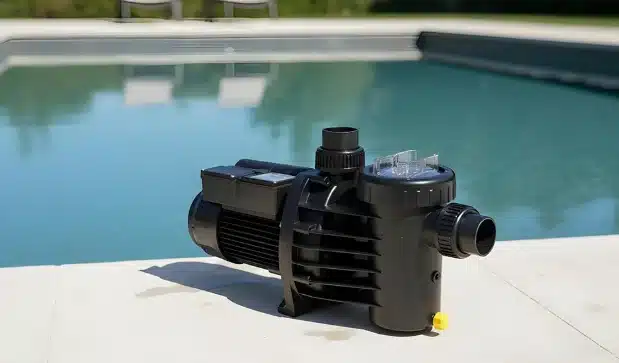
How to Choose the Right Pool Pump for a Swimming Pool
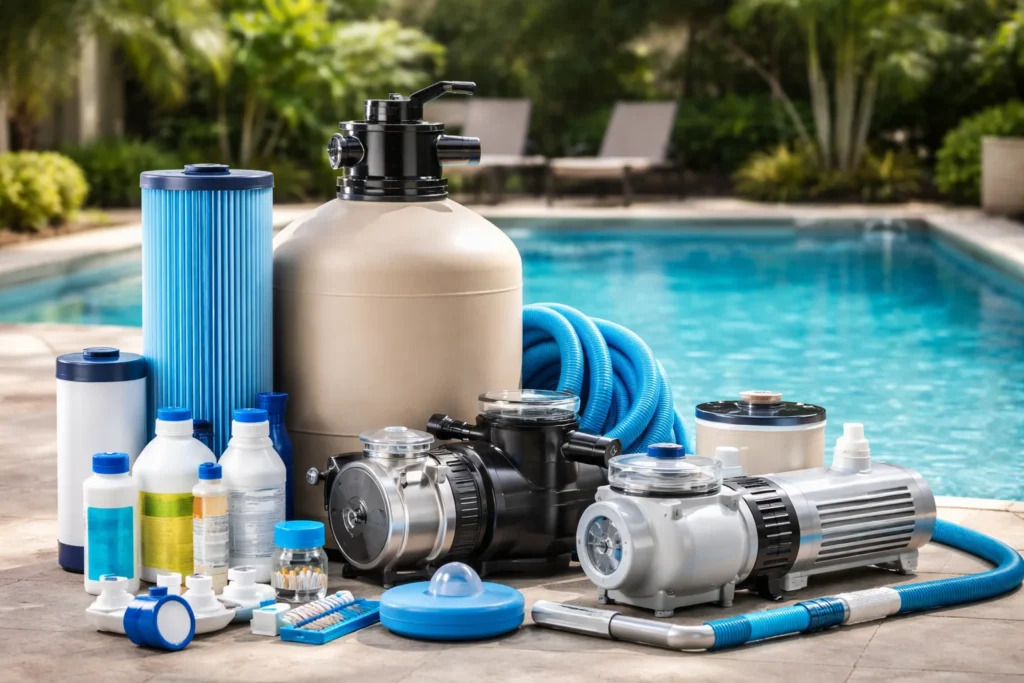
LeisureHQ.com: Products, Purpose, and Practical Use Explained Clearly
A Homeowner’s Guide to Evaluating Pipe Repair Costs and Quality