NZXT H630 Complete Guide: Specs, Features, Cooling Performance, Design and Is It Still Worth Buying?
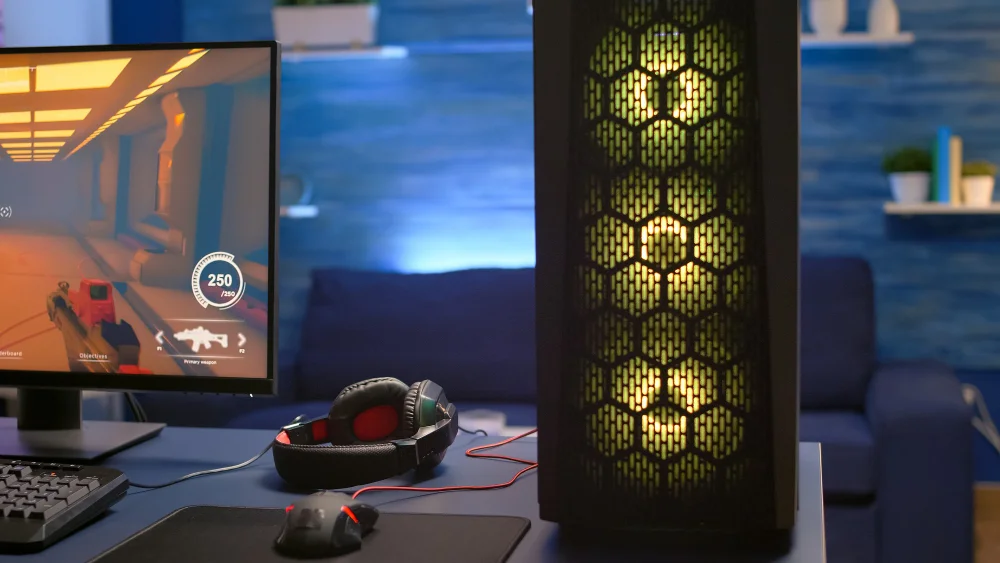
If you are researching the nzxt h630, you are probably looking for a full tower PC case that focuses on quiet operation, large hardware compatibility, and a clean design. Even though this case was released years ago, many builders still search for it because of its unique approach to silence and space. In this complete guide, we will explore everything you need to know — including specifications, airflow performance, build quality, real-world usability, and whether it still makes sense for modern PC builds today.
What Is NZXT H630?
The NZXT H630 is a full-tower PC case designed by NZXT with a strong focus on silent computing. Unlike flashy gaming cases with aggressive styling and RGB lighting, this case was built for users who want a minimal look combined with strong performance and low noise.
NZXT created the H630 as part of its H-series lineup, which aimed to deliver professional aesthetics and practical functionality. The design targets enthusiasts, workstation builders, and users who prefer clean builds instead of gaming-focused visuals.
Because it is a full tower, the case offers massive internal space. This allows builders to install large graphics cards, extended motherboards, and advanced cooling setups without difficulty.
Design Philosophy and Aesthetic Approach
The design philosophy behind the nzxt h630 revolves around simplicity and silence. NZXT avoided aggressive shapes and instead used flat panels and clean lines. The result is a professional appearance that fits well in offices, studios, and minimal setups.
One of the key features is the closed front panel combined with internal sound dampening materials. These elements help reduce noise generated by fans and components.
The case was available in different color options, including black and white. Both versions maintain a subtle look that still feels modern even years after release.
Compared to many modern tempered-glass cases, the nzxt h630 prioritizes function over showmanship.
NZXT H630 Specifications Breakdown
Understanding the specifications helps explain why this case remains popular among enthusiasts.
Dimensions and Physical Size
The nzxt h630 is a large full-tower chassis. It measures approximately:
- Height: 547 mm
- Width: 245 mm
- Depth: 567 mm
This size provides enough room for large components and advanced cooling configurations.
Supported Motherboard Sizes
The case supports multiple motherboard formats:
- Mini-ITX
- Micro-ATX
- ATX
- E-ATX
- XL-ATX
This flexibility makes it suitable for both gaming and workstation builds.
GPU Clearance
Graphics card support is generous. The nzxt h630 allows GPUs up to roughly 354 mm long. That means most modern high-end graphics cards fit easily.
CPU Cooler Support
Large air coolers are supported thanks to generous clearance. Builders can install tall tower coolers without worrying about space limitations.
Expansion Slots
The case includes nine expansion slots. This allows multi-GPU setups and additional expansion cards.
Storage Bays and Layout
Storage flexibility is another strong area. The nzxt h630 includes multiple drive cages with support for several hard drives and SSDs. The modular design lets users remove cages to improve airflow or make space for cooling components.
Internal Layout and Build Experience
Building inside the nzxt h630 is straightforward. The spacious interior reduces frustration during installation.
Cable management is well-designed. There is enough space behind the motherboard tray to hide cables neatly. Rubber grommets help route wires cleanly, improving airflow and overall aesthetics.
The power supply mounts at the bottom. This layout improves stability and separates heat zones inside the case.
Modular drive cages allow builders to customize the internal layout. You can prioritize storage capacity or airflow depending on your needs.
Cooling System and Airflow Performance
Cooling is a major topic when discussing the nzxt h630. The case balances airflow with quiet operation.
Included Fans
Typically, the case includes:
- One large front intake fan
- One rear exhaust fan
Large fans move more air while spinning slowly. This helps reduce noise.
Fan Placement Options
Users can install additional fans in multiple locations:
- Front panel
- Top panel
- Bottom area
This flexibility allows builders to tailor airflow to their system.
Airflow Design Philosophy
The nzxt h630 focuses on controlled airflow rather than maximum ventilation. The closed front panel reduces noise but slightly restricts airflow compared to open mesh cases.
However, for many users, cooling performance remains acceptable, especially when using quality fans.
Real-World Thermal Behavior
In real-world testing, temperatures stay stable when airflow is configured correctly. Removing drive cages or adding extra fans can improve cooling further.
Noise Reduction and Silent Operation Features
One of the biggest reasons people choose the nzxt h630 is silence.
The case uses sound-dampening foam on interior panels. This material absorbs noise from fans and hard drives.
Large fan sizes also help. Because larger fans move air efficiently at lower speeds, they produce less noise.
The enclosed design prevents direct sound leakage. As a result, the nzxt h630 delivers a quieter experience compared to many airflow-focused cases.
Water Cooling and Radiator Compatibility
The nzxt h630 supports advanced liquid cooling setups. Builders can install large radiators in multiple locations.
Typical support includes:
- 240 mm or 360 mm radiators at the top or front
- Additional options depending on configuration.
The removable drive cages make custom water loops easier. This flexibility attracts enthusiasts who want advanced cooling solutions.
Connectivity and Front I/O Features
The front I/O panel includes useful connectivity options:
- USB 3.0 ports
- USB 2.0 ports
- Audio jacks
- SD card reader
The SD card reader was a unique feature at launch and useful for creators. However, the case does not include USB-C, which reflects its older design.
Build Quality and Materials
The nzxt h630 uses steel construction, which gives it a solid and durable feel. The case is heavy, but this weight contributes to stability and noise reduction.
Panels feel sturdy, and internal components are well-built. Many users report long-term durability, which is why older units still circulate in the used market.
Advantages of NZXT H630
- Excellent silent operation
- Large internal space
- Strong build quality
- Modular storage system
- Support for large radiators
- Clean minimalist design.
Limitations and Downsides
No case is perfect. The nzxt h630 has some drawbacks:
- Large and heavy size
- Airflow not as strong as modern mesh cases
- No USB-C connectivity
- Lacks tempered glass panel.
Despite these limitations, many users still appreciate its quiet-focused design.
NZXT H630 vs Modern PC Cases
Compared to newer cases, the nzxt h630 stands out for silence rather than airflow. Modern designs often feature mesh fronts for better cooling but may produce more noise.
Newer cases also emphasize RGB lighting and glass panels. The H630 keeps things simple and professional.
For users who value minimalism and quiet performance, it remains competitive.
Who Should Buy the NZXT H630 Today?
This case works best for:
- Silent PC builders
- Workstation users
- Storage-heavy systems
- Custom water-cooling enthusiasts.
It may not suit users who want flashy designs or compact setups.
Is NZXT H630 Still Worth It Today?
Even years after release, the nzxt h630 still holds value for specific users. Its durable construction and massive space make it a strong option for budget-conscious builders buying second-hand.
If silence and flexibility matter more than modern aesthetics, it can still be a great choice.
Frequently Asked Questions About NZXT H630
Is the NZXT H630 good for gaming PCs?
Yes. It supports large GPUs and powerful cooling setups, making it suitable for gaming.
Does it support modern hardware?
Most modern components fit due to its large size and compatibility.
Is airflow enough?
Airflow is balanced for quiet operation. Adding extra fans improves performance.
How quiet is it?
Thanks to sound dampening materials and large fans, the nzxt h630 is noticeably quieter than many cases.
Conclusion
The nzxt h630 remains a unique full tower PC case focused on silence, flexibility, and minimal design. It offers massive hardware compatibility, strong build quality, and excellent noise reduction. While it lacks modern features like USB-C or tempered glass, it still appeals to users who prioritize quiet performance and spacious builds.

How Federal Assistance Programs Now Support More Than Their Original Purpose

How Email Widgets Can Support Time-Sensitive Email Marketing
Deepseekplay com: A Comprehensive Guide to Features and Benefits