

Introduction
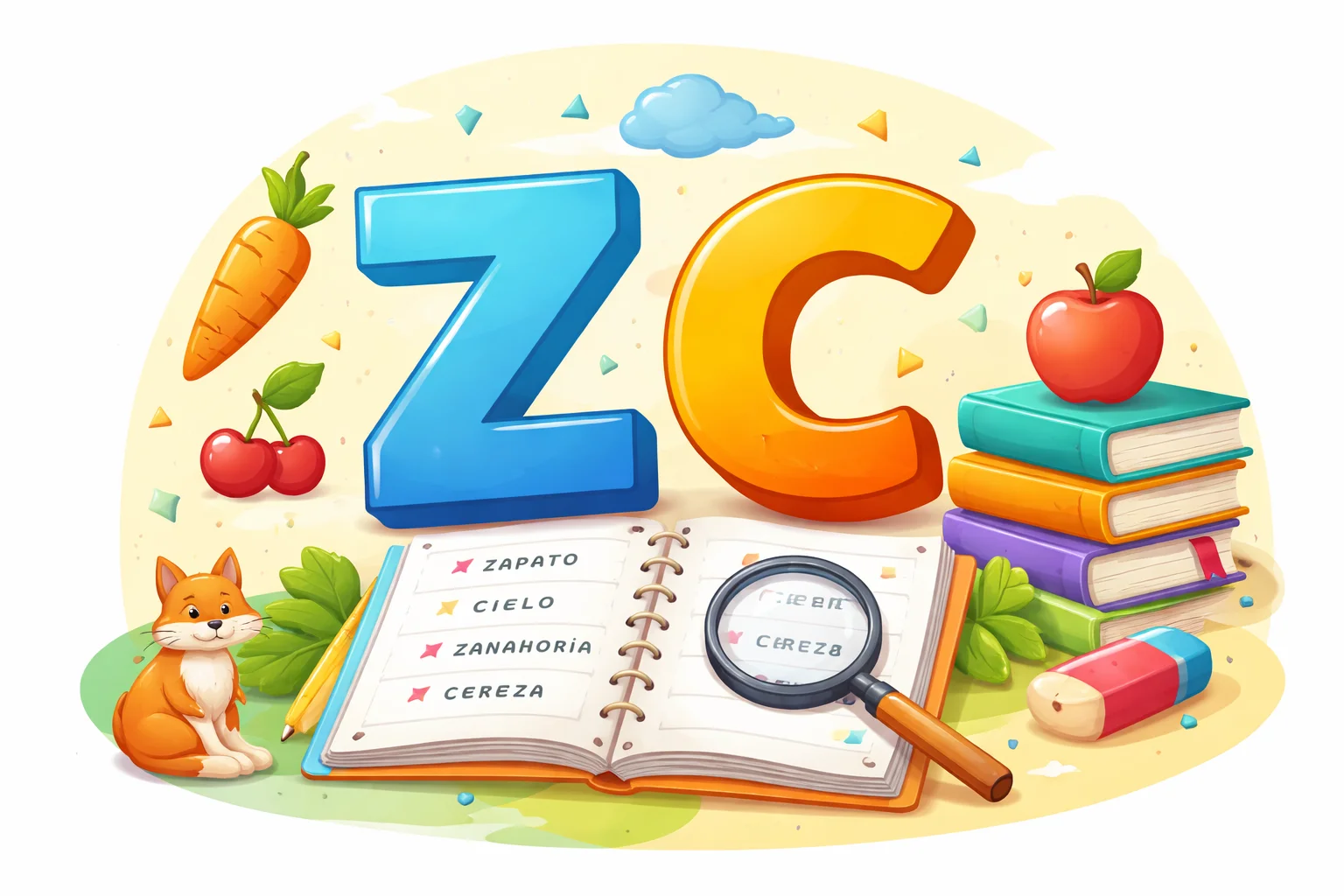
Spanish spelling can be challenging, especially when different letters produce similar sounds. One of the most common areas of confusion involves words that use Z and C. Learners often struggle to understand why one word uses z while another uses c, even when they sound almost the same.
Palabras con ZYC focuses on understanding Spanish words that include Z and C, how they are formed, how they sound, and how to use them correctly in writing. Mastering this topic improves spelling accuracy, reading confidence, and overall language fluency.
This article provides a clear and complete explanation of how Z and C work in Spanish, supported by real examples, rules, usage patterns, and practical insights.
See also The Challenges of Achieving Equality in Education Systems
Understanding the Letters Z and C in Spanish
Spanish uses both Z and C to represent similar sounds, but their usage depends on spelling rules, pronunciation, and word structure.
The Role of Z in Spanish Words
The letter Z is used before the vowels A, O, U.
Examples:
- Zapato
- Zona
- Azúcar
In many regions of Spain, Z is pronounced with a soft th sound, while in most Latin American countries it sounds like s. Despite pronunciation differences, spelling rules remain the same.
The Role of C in Spanish Words
The letter C changes sound depending on the vowel that follows it:
- Before E and I, it sounds similar to Z
- Before A, O, U, it has a hard k sound
Examples:
- Cielo
- Centro
- Casa
- Comida
Understanding this distinction is essential when working with palabras con ZYC.
Why Z and C Cause Confusion
Z and C often create confusion because:
- They can sound identical in many accents
- Some words change spelling when they change form
- Learners rely on sound rather than spelling rules
This confusion is common in both native learners and second-language learners.
Basic Spelling Rules for Z and C
Rule 1: Z Before A, O, U
When the soft s/th sound comes before A, O, U, Spanish uses Z.
Examples:
- Zapato
- Zorro
- Zumo
Rule 2: C Before E and I
When the same sound comes before E or I, Spanish uses C.
Examples:
- Cereza
- Cine
- Cielo
These two rules form the foundation of palabras con ZYC.
Words That Change Between Z and C
Some Spanish words change spelling depending on grammatical form. This happens to preserve correct pronunciation.
Singular and Plural Changes
Words ending in Z change to C in the plural.
Examples:
- Lápiz → Lápices
- Vez → Veces
- Raíz → Raíces
This change ensures the pronunciation remains consistent.
Verb Conjugation Changes
Some verbs change Z to C before E to maintain sound.
Examples:
- Empezar → Empiezo
- Alcanzar → Alcancé
These transformations are common and follow clear patterns.
Common Examples of Palabras con ZYC
Words with Z
- Zapato
- Zanahoria
- Zorro
- Zumo
- Azul
Words with C
- Cielo
- Ciudad
- Cerca
- Cincuenta
- Ciencia
These examples show how both letters appear naturally across everyday vocabulary.
Pronunciation Differences by Region
Spanish pronunciation varies by region, but spelling remains consistent.
Spain
- Z and C (before e/i) sound like th
- Example: cielo → thielo
Latin America
- Z and C (before e/i) sound like s
- Example: cielo → sielo
Despite pronunciation differences, the written form does not change.
Common Mistakes to Avoid
Writing Z Before E or I
Incorrect:
- Zielo
- Zinema
Correct:
- Cielo
- Cine
Using C Instead of Z Before A, O, U
Incorrect:
- Casa (correct)
- Cumo (incorrect)
Correct:
- Zumo
Forgetting Plural Changes
Incorrect:
- Lapizes
Correct:
- Lápices
Avoiding these mistakes improves accuracy and confidence.
How to Learn Palabras con ZYC Effectively
Practice by Patterns
Group words by spelling patterns instead of memorizing them individually.
Read Frequently
Reading exposes you to correct spelling in context.
Write and Review
Writing reinforces correct letter usage and helps spot errors.
Learn Word Families
Understanding how words change form makes spelling easier.
Educational Importance of Z and C
Learning how Z and C work improves:
- Spelling accuracy
- Reading comprehension
- Writing clarity
- Academic performance
These letters are essential in formal writing, exams, and professional communication.
Examples in Sentences
- El zapato está debajo de la mesa.
- La ciencia avanza rápidamente.
- Comí una manzana dulce y una zanahoria fresca.
- Los lápices están en la caja.
Seeing words in sentences helps reinforce correct usage.
Advanced Observations
Derivational Changes
Some nouns and adjectives shift letters when forming related words.
Examples:
- Paz → Pacífico
- Capaz → Capacidad
These changes follow historical spelling rules and pronunciation consistency.
Frequently Asked Questions
Are Z and C interchangeable in Spanish?
No. Each letter follows strict spelling rules depending on the vowel that follows.
Why do some words change from Z to C?
This happens to maintain correct pronunciation when vowels change.
Do pronunciation differences affect spelling?
No. Spelling remains the same regardless of regional pronunciation.
Is this topic important for beginners?
Yes. Understanding these rules early prevents long-term spelling issues.
Conclusion
Palabras con ZYC represents one of the most important spelling foundations in Spanish. By understanding how Z and C function, when they are used, and how words change form, learners gain clarity and confidence in written Spanish.
With clear rules, real examples, and consistent practice, mastering these words becomes simple and practical. Strong spelling leads to stronger communication, and understanding Z and C is a key step toward fluency.

Why Data Alone Can’t Predict College Admissions — and What Students Should Do Instead

Online MBA in Finance Management: Where Ambition Meets Opportunity
Palabras con ZYC: Complete Guide to Spanish Words Using Z and C
