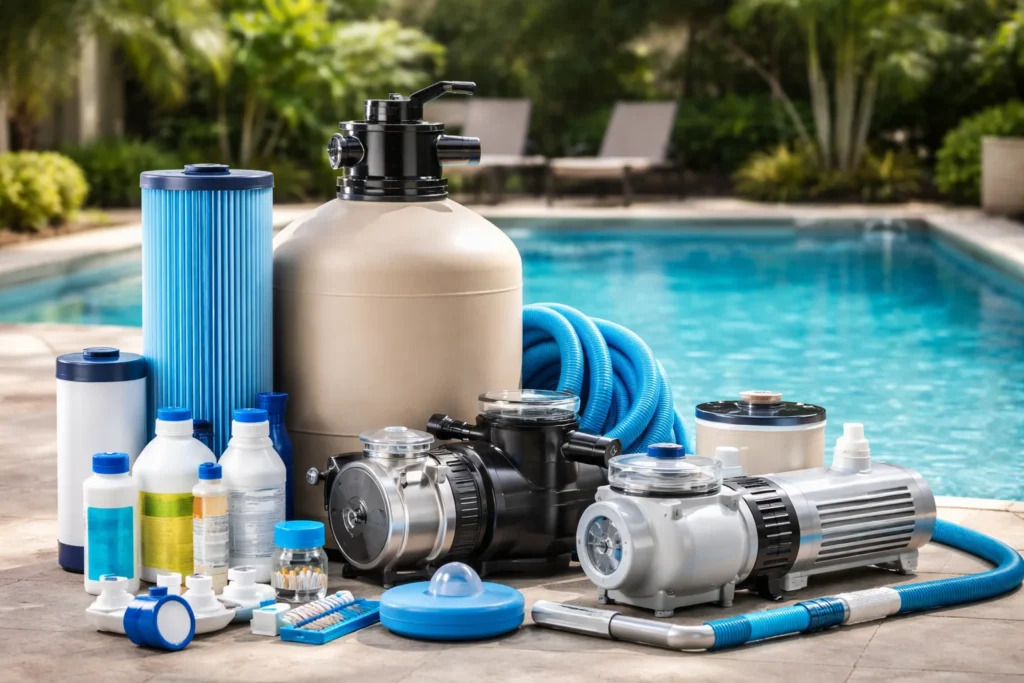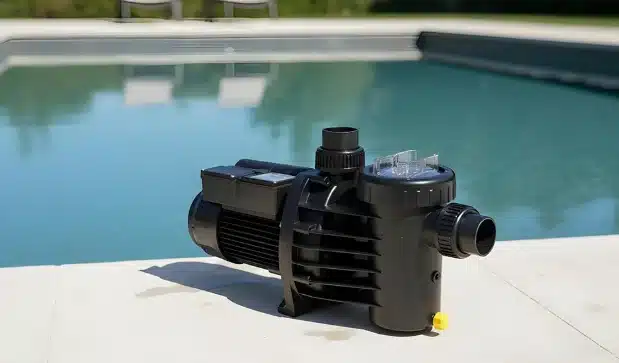
A swimming pool is a perfect way to relax, entertain, and stay active during the warmer months. But to keep your pool clean, clear, and safe, choosing the right swimming pool pump is crucial. A pool pump circulates water through the filter system, preventing debris buildup, maintaining chemical balance, and ensuring the water stays inviting. With so many types of pumps available, making the right choice can feel overwhelming, especially with considerations like pool size, energy efficiency, and usage frequency. Understanding the different pump options will help you make an informed decision that keeps your pool sparkling while optimising energy use.
Understanding Pool Pump Types
Pool pumps come in three main varieties: single-speed, dual-speed, and variable-speed pumps. Single-speed pumps are traditional and operate at a constant speed, making them simple but less energy-efficient. Dual-speed pumps allow switching between high and low speeds, offering better control and savings on running costs. Variable-speed pumps are the most energy-efficient, enabling precise adjustments to flow rates based on pool usage and filtration needs. Although variable-speed pumps may have a higher upfront cost, they typically pay off in lower electricity bills over time.
Factors to Consider Before Choosing a Pump
Several factors influence which pump is best for your swimming pool. Pool size is key because larger pools require pumps with higher flow rates to circulate water effectively. The type of pool filtration system also matters since some pumps work better with sand filters, cartridge filters, or DE filters. Energy efficiency is another important consideration, particularly if you plan to run your pump for extended periods each day. Noise levels, durability, and ease of maintenance are also crucial to ensure your pump is not only effective but also convenient to operate and service.
Energy Efficiency and Running Costs
Energy efficiency is a critical factor when selecting a pool pump, where electricity costs can be high. Variable-speed pumps are often the most economical in the long run, as they allow you to run the pump at lower speeds for daily filtration and increase speed only when necessary, such as during pool cleaning or heavy usage. Many modern pumps also come with programmable timers and energy-saving modes, helping you reduce operating costs while keeping your pool water safe and inviting.
Maintenance and Longevity
A well-chosen pump will be easy to maintain and built to last. Regular maintenance includes cleaning the pump basket, checking for leaks, and inspecting the motor. Choosing a reputable model with good customer support ensures that replacement parts are available and servicing is straightforward. For advice on the best pump options and installation, consulting a trusted pool builder in Albury can make a big difference. Investing in a durable, reliable pump reduces long-term costs and prevents downtime, ensuring your pool remains a source of enjoyment all year round.
Conclusion
Selecting the right pool pump requires careful consideration of your pool’s size, type, and usage, as well as your budget and energy efficiency preferences. By understanding the different types of pumps, calculating the correct flow rate, and prioritising efficiency and durability, you can ensure clean, clear, and inviting pool water year-round. Making an informed choice now saves both money and frustration later, giving you more time to enjoy your pool and make the most of every sunny day.
Frequently Asked Questions
How do I know what size pool pump I need?
You need a pump that can circulate all the water in your pool within the recommended turnover time, usually around eight hours. Calculate your pool volume and choose a pump with a flow rate that matches this requirement.
What is the difference between single-speed, dual-speed, and variable-speed pumps?
Single-speed pumps run at one constant speed, dual-speed pumps let you switch between high and low speeds, and variable-speed pumps allow precise adjustments for energy efficiency and customised circulation.
Are variable-speed pumps worth the extra cost?
Yes, they are more energy-efficient and can reduce electricity bills over time. They also allow you to adjust the pump speed for different needs, making them versatile and environmentally friendly.
How often should I run my pool pump?
Most pools need the pump to run long enough to achieve a full water turnover, typically eight hours a day. This may vary depending on pool size, usage, and climate.
How do I maintain my pool pump?
Regular maintenance includes cleaning the pump basket, checking for leaks, inspecting the motor, and removing debris. Following the manufacturer’s instructions will ensure it lasts longer and runs efficiently.
Elevate Your Home Hygiene with Curtain Washing Singapore and Upholstery Cleaning

The Passive Fire Problem Hiding Behind Sydney’s Walls
How to Choose the Right Pool Pump for a Swimming Pool