
Bone broth has become a popular choice for anyone interested in functional nutrition. Its appeal lies not only in taste but in the rich nutrient profile it offers. From aiding digestion to supporting joint health, this age-old liquid provides more than just comfort. Understanding what makes bone broth so beneficial and how your body utilizes its nutrients can transform how you incorporate it into your diet.
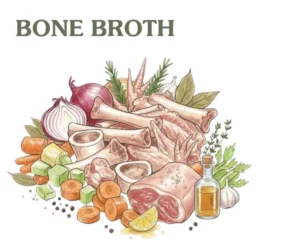
Bone broth is made by simmering animal bones, cartilage, and connective tissue for several hours. This slow-cooking process releases key nutrients like collagen, gelatin, amino acids, and minerals. These compounds contribute to gut health, joint support, skin wellness, and overall immunity. While it may seem simple, the benefits are vast and multifaceted.
For those curious to dive deeper into the science and health advantages of bone broth, check out this guide to learn more about bone broth. It provides detailed explanations about its nutrition and historical uses.
Understanding Bone Broth Nutrients
Bone broth is rich in nutrients that are difficult to obtain in high amounts from other foods. Key nutrients include:
- Collagen and Gelatin: Collagen supports connective tissues, while gelatin promotes gut lining integrity and aids digestion.
- Amino Acids: Glycine, proline, and glutamine are abundant in bone broth and contribute to muscle repair, gut healing, and anti-inflammatory processes.
- Minerals: Calcium, magnesium, phosphorus, and potassium help maintain bone strength, nerve function, and overall metabolic health.
- Protein: Though variable, bone broth provides a moderate amount of protein that supports tissue repair and immune function.
These nutrients are not only beneficial individually but work synergistically to enhance overall health. They contribute to digestive wellness, promote joint mobility, support skin health, and assist in recovery after exercise or illness.
How Bone Broth Supports Digestive Health
One of the most celebrated benefits of bone broth is its support for the digestive system. The amino acids and collagen work together to strengthen the intestinal lining. A healthy gut lining is essential for proper nutrient absorption, balanced digestion, and preventing conditions like leaky gut.
- Glutamine for Digestive Support: This amino acid plays a critical role in maintaining gut barrier integrity and supporting immune cells located in the gut.
- Collagen for Gut Health: Collagen proteins help repair and maintain the intestinal wall, supporting healthy digestion and nutrient absorption.
- Gelatin in Bone Broth: Gelatin attracts and binds water, which can improve the consistency of the digestive tract lining, supporting smoother digestion.
Incorporating bone broth into your routine can be as simple as sipping it between meals or using it as a base for soups, stews, or sauces. The gentle nature of bone broth makes it suitable even for individuals with sensitive digestion.
Bone Broth Benefits for Skin, Joints, and Immunity
Beyond digestion, bone broth provides nutrients that affect other aspects of health:
- Skin Health: Collagen and amino acids help improve skin elasticity and hydration, reducing the appearance of wrinkles and promoting a healthy glow.
- Joint Support: Amino acids like glycine and proline contribute to connective tissue repair, supporting joint health and mobility.
- Immune Support: The minerals and proteins in bone broth aid immune function, making it a supportive addition during periods of stress or illness.
Regular consumption of bone broth can be a simple yet effective way to support multiple aspects of health, complementing other nutritious habits such as consuming gut-friendly foods, staying hydrated, and maintaining a balanced diet.
Bone Broth for Recovery and Energy
Athletes and fitness enthusiasts often turn to bone broth for recovery. The amino acids, collagen, and minerals help repair tissues, reduce inflammation, and replenish electrolytes lost during exercise. Consuming bone broth post-workout can support faster recovery, reduce soreness, and improve overall energy levels.
Additionally, bone broth can contribute to satiety, helping control appetite and support weight management goals. Its combination of protein, minerals, and hydration provides a nutrient-dense option that works well alongside meals or as a standalone snack.
Understanding Bone Broth Protein and Calories
The nutritional content of bone broth varies depending on the source and preparation method. Typically, one cup provides:
- Protein: 6–10 grams
- Calories: 30–60
- Minerals: Calcium, magnesium, phosphorus, potassium
- Amino Acids: Glycine, proline, glutamine
This makes bone broth a low-calorie, high-protein food that is gentle on digestion and suitable for multiple dietary approaches. The minerals and protein work synergistically to support recovery, tissue repair, and overall wellness.
How Your Body Uses Bone Broth
When consumed, the nutrients in bone broth are readily absorbed and utilized by the body:
- Collagen and Gelatin: Help repair gut lining, connective tissues, and skin.
- Amino Acids: Support muscle repair, joint health, and anti-inflammatory pathways.
- Minerals: Contribute to bone strength, hydration, and enzymatic processes.
This makes bone broth not just a comfort beverage but a functional food with practical health benefits. Whether consumed daily or several times a week, it provides sustained support for digestion, recovery, and general wellness.
Creative Ways to Incorporate Bone Broth
Adding bone broth to your diet can be enjoyable and versatile:
- Sipping: Enjoy a warm cup in the morning or evening.
- Cooking: Use it as a base for soups, sauces, grains, and stews.
- Smoothies: Add small amounts to blended smoothies for extra protein and nutrients.
- Meal Prep: Freeze portions for convenience throughout the week.
For those who prefer ready-made options, you can shop for the best bone broth to access high-quality, nutrient-rich broths conveniently.
FAQs About Bone Broth Nutrition
How much bone broth should I drink daily?
1–2 cups per day is generally sufficient for most adults. It can be consumed alone or incorporated into meals.
Is homemade bone broth better than store-bought?
Homemade broth allows control over ingredients and simmer time, but high-quality store-bought options are convenient and retain similar nutrients.
Can bone broth help with skin and joint health?
Yes. The collagen and amino acids support connective tissue repair, skin elasticity, and joint function.
Does bone broth support immune function?
Yes, thanks to minerals, amino acids, and gut-supporting nutrients that collectively enhance immunity.
What nutrients in bone broth are most important?
Collagen, gelatin, amino acids, and minerals are key contributors to its digestive, joint, skin, and immune benefits.
Tips for Maximizing Benefits
- Combine bone broth with other gut-healing foods for enhanced digestive support.
- Maintain a consistent routine to reap the long-term benefits of amino acids and collagen.
- Include a variety of nutrient-rich foods alongside bone broth to support overall wellness.
Sharing this article with friends and family can help others discover the benefits of bone broth as a natural, nutrient-dense addition to their diet. Encouraging others to incorporate bone broth into their routines can improve collective digestive health and overall well-being.
Conclusion: Bone Broth as a Nutrient Powerhouse
Bone broth is more than a soothing beverage. Its blend of collagen, amino acids, gelatin, protein, and minerals provides wide-ranging benefits for digestion, joint health, skin, and immunity. Regularly incorporating bone broth into your diet can support gut health, recovery, and overall wellness.
Share this guide with your friends, family, or on social media to spread the benefits of bone broth and support digestive wellness naturally. Bone broth is simple, versatile, and a powerful addition to a healthy lifestyle.
Bone Broth Nutrition: What’s in It and How Your Body Uses It

Discover Stylish Plastic Disposable Plates for Family Dining

Alaskan Seiti: A Complete Guide to Nutrition, Sustainability, and Culinary Uses