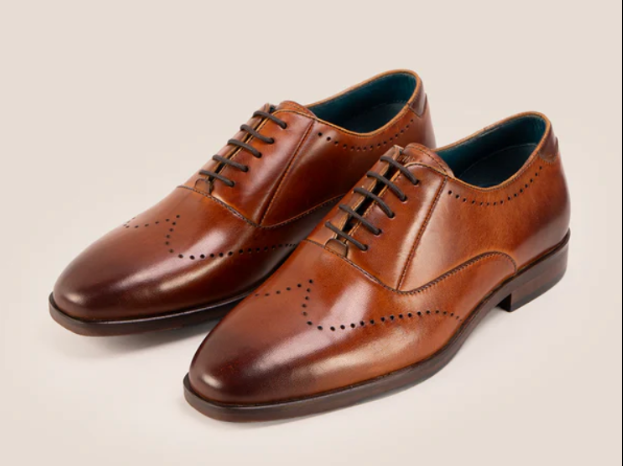
Nobody sets out to make a fashion icon. It just happens. It started as a working shoe. A practical, no-nonsense piece of footwear designed for wet ground and long days spent outdoors. The holes punched along the leather were not decorative at all. They were there to let water drain out when farm workers and country folk waded through boggy fields across Ireland and Scotland. Nobody could have predicted that those simple holes would one day become one of the most recognised and beloved details in British fashion.
The brogue has travelled a long way from its muddy beginnings. Today it sits comfortably at the heart of British style, worn by everyone from city professionals to country weekend enthusiasts. It has appeared on the feet of royalty, statesmen, and some of the most stylish men and women on the planet. And yet, for all its prestige, the brogue has never lost that sense of groundedness that made it great in the first place.
From the Bogs of Ireland to the Streets of London
The word brogue comes from the Gaelic word brog, which simply means shoe. The earliest versions were rough, uncomplicated affairs made from untanned hide, stitched together with basic tools and worn for durability rather than style. The perforations, which we now admire so much, were punched in purely to help the shoe dry faster after a day spent in waterlogged terrain.
By the early 20th century, the brogue had made its way into mainstream British fashion. It first found favour in sporting circles, particularly among golfers and countryside walkers. The shoe’s rugged construction made it ideal for outdoor pursuits, and its distinctive look gave it a character that more formal footwear simply lacked. From there, it was only a matter of time before the fashion world took notice.
The real turning point came in the 1920s and 1930s when the brogue began appearing in tailoring and formal wear. What had once been considered too casual for dressed occasions started showing up in the wardrobes of the well-heeled. The Prince of Wales, later King Edward VIII, famously championed the brogue as part of his relaxed approach to royal dressing. If it was good enough for royalty, it was good enough for Britain.
What Makes a Brogue a Brogue
Not all brogues are created equal, and understanding the differences helps you pick the right style for the right occasion. At its most basic, a brogue is defined by its decorative perforations, known as broguing, along the edges of the leather panels. These can appear in varying degrees depending on the style.
The full brogue, also known as the wingtip, features a distinctive W-shaped cap across the toe and broguing along every seam. It is the most eye-catching of the three and works particularly well in casual and smart-casual settings.
The semi-brogue keeps things a little more restrained, with broguing only around the toe cap, making it versatile enough for business wear.
The quarter brogue is the most formal of the three, with just a single strip of perforations around the cap toe and no medallion.
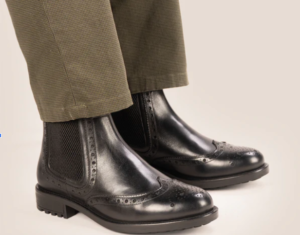
Then there are brogue boots. Boots male fans of classic British style have long appreciated for their ability to combine the visual interest of brogue detailing with the added practicality and structure of a boot silhouette. A pair of brogue ankle boots in tan or dark brown leather is one of the most useful things a man can have in his wardrobe, capable of working with everything from chinos to tailored trousers.
The Brogue’s Unlikely Journey Into High Fashion
Fashion has always had a habit of borrowing from utility, and the brogue is one of the finest examples of this. By the time the 1980s arrived, the brogue had become a staple of British prep culture, worn by students at Oxford and Cambridge alongside cords and tweed. It had also crossed over into womenswear, with designers recognising that the brogue’s structured shape and artisan detailing translated beautifully to a feminine context.
Through the 1990s and early 2000s, the brogue went through periods of being considered old-fashioned, only to be rediscovered by each new generation. It is the kind of shoe that never truly disappears. It simply waits patiently until the fashion world remembers how good it is. Today, it is firmly back in the spotlight and showing no signs of stepping aside.
Why the British Have Never Let It Go
There is something deeply British about the brogue. It values made over flash. It rewards the person who looks closely enough to appreciate its details. It carries history without being dusty about it. These are qualities that resonate strongly with the way Britain has always approached style, with a preference for the understated, the well-made, and the enduring over the loud and the temporary.
The brogue also has a rare versatility that keeps it relevant. It moves easily between formal and casual without ever looking out of place. It suits a morning in the office and an afternoon in the countryside with equal confidence. It pairs with denim as naturally as it does with a well-cut suit. Very few shoes can claim that kind of range.
Choosing the Right Brogue for You
If you are thinking about adding a pair to your wardrobe, start with colour and construction.
- Tan and mid-brown are the most versatile shades, working across a wide range of outfits and occasions.
- Black brogues offer a more formal option and work well in smarter settings.
- Dark burgundy has become increasingly popular in recent years and brings a touch of personality to any outfit without going overboard.
Construction matters just as much as colour. Look for full-grain leather uppers and a sturdy sole that will handle regular wear without falling apart. Goodyear-welted construction is widely considered the gold standard for leather shoes as it allows the sole to be resoled when it wears down, meaning a good pair of brogues can genuinely last for decades with proper care.
Caring for Your Brogues
A good pair of brogues deserves proper care.
After each wear, use a soft brush to remove any surface dirt and dust before it settles into the leather. Condition the leather regularly with a good quality cream to keep it supple and prevent cracking. Use cedar shoe trees to help the shoes hold their shape and absorb moisture between wears.
If you are wearing them regularly, try to rotate with another pair so the leather has time to recover. Polish them every few weeks with a matching wax polish to build up a shine that deepens over time. A well-cared-for brogue develops a patina that no new shoe can replicate, and that is part of what makes owning a quality pair so satisfying.
Conclusion
The brogue is one of those rare things in fashion that has earned its place through genuine merit. It started as a practical solution to a practical problem, and somewhere along the way it became something much more. It became a symbol of British craftsmanship, a wardrobe staple, and a quiet statement of taste that has stood firm through every shift in fashion for over a century.
Whether you choose a classic Oxford brogue for the office, a rugged full brogue for the weekend, or a pair of boots male dressers have long relied on for smart occasions, you are stepping into a tradition that carries real weight. If you want to start that journey with footwear that genuinely lives up to it, Oswin Hyde is a name worth knowing. Honest craftsmanship, classic styles, and shoes built to last.
The holes in the leather are no longer there to drain water from boggy fields. Now they are simply there to remind you that the best things in life usually started as something honest and practical, and stayed that way.
Buy well. Buy once. And wear them with pride.
The Shoe With a Hole in It That Became Britain's Most Loved Classic

The Ultimate Guide to Styling a Syna x Nike Tracksuit