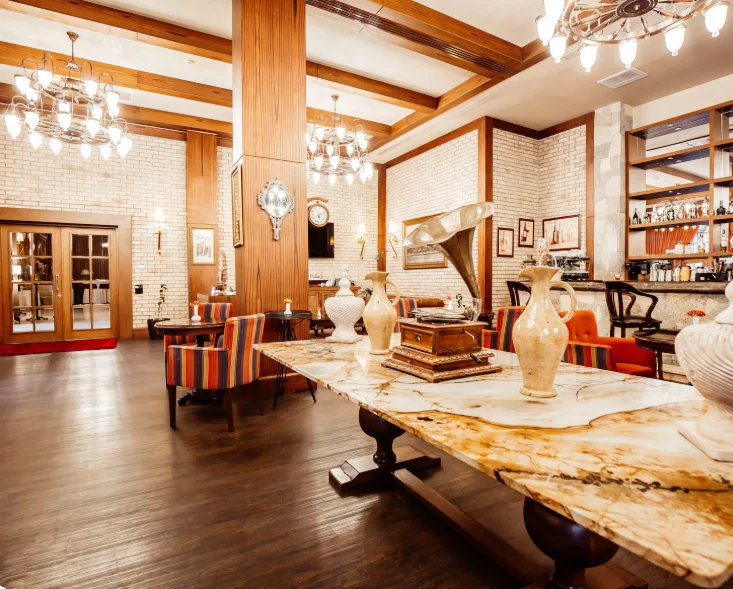
There’s something special about natural wood that makes a house feel like home. It brings warmth, character, and a touch of nature right into your living space. In a world filled with cold, synthetic materials, timber wall cladding stands out as a simple yet powerful way to create rooms that feel both cozy and stylish. This beautiful design element can turn a plain wall into a stunning focal point, adding texture and depth that paint alone can never achieve.
Whether you’re building new or updating your current space, timber cladding offers endless possibilities. It works in living rooms, bedrooms, and even bathrooms. This article will show you how to use natural timber to transform your indoor areas. You’ll discover inspiring design ideas, learn about different wood types, and find practical tips to make timber cladding work in your home. Get ready to see your walls in a whole new light.
Why Natural Timber Captivates Us
Timber has been used in homes for centuries, and its popularity continues today for good reason. Its timeless aesthetic never goes out of style. The warm, natural look of wood gives any building a unique and attractive appearance that synthetic materials struggle to match . Each piece of wood tells its own story through unique grain patterns, knots, and color variations, meaning no two timber walls will ever look exactly the same.
Beyond its good looks, timber brings versatility that few other materials can match. It fits perfectly in modern, traditional, and everything in between styles. Whether you choose rich, dark hardwoods or light, airy woods, timber cladding can be adapted to suit your vision. It can be installed horizontally, vertically, or even in patterns to create different visual effects.
There’s also a deeper connection we feel with wood. Designers often talk about biophilic design – the concept that connecting with nature improves our wellbeing. Incorporating natural elements like timber into our living spaces can create calming environments that reduce stress. When you add timber wall cladding to a room, you’re not just decorating – you’re bringing a piece of the natural world inside.
Inspiring Ways to Use Timber Cladding Indoors
Create a Striking Feature Wall
A timber feature wall instantly becomes the star of any room. In a living room, use it behind your sofa or television to create a natural focal point. In a bedroom, a timber headboard wall can make your bed feel like a luxurious retreat. The texture of wood adds depth and interest that flat paint cannot match. You can choose from various installation patterns – horizontal boards for a relaxed feel, vertical boards to heighten ceilings, or even herringbone patterns for dramatic effect.
For those looking for quality materials, companies like Blacktown Building Supplies offer various timber wall cladding options suitable for creating these stunning feature walls .
Design Unique Privacy Solutions
Timber cladding can be both beautiful and functional when used as a privacy screen. This works particularly well in open-plan spaces where you might want to subtly divide areas without building solid walls. Imagine a timber screen between your kitchen and living area that allows light to filter through while creating visual separation.
The Waldorf school project demonstrates this beautifully, using floor-to-ceiling vertical timber cladding to add both character and functionality to interior corridors . Similarly, some hotels use spaced timber boards over interior walls to allow light into hallways while maintaining privacy for rooms .
Unify Indoor and Outdoor Spaces
Create a seamless flow between your interior and exterior by continuing the same timber cladding from outside to inside. This design approach makes spaces feel larger and more connected to nature. The contemporary home example that carries exterior wood cladding into the interior creates an organic flow that unifies the building as a whole .
Even using similar wood tones or installation patterns inside and out can create this connected feeling without using the exact same materials throughout.
Add Warmth to Modern Interiors
Contemporary interiors sometimes risk feeling cold with their sleek lines and minimalist approach. Timber cladding is the perfect antidote. The coffee bar example shows how wood cladding added warmth and natural appeal to what might otherwise have been a sterile, industrial space . The combination of natural wood and steel created a modern space that retained warmth and invited patrons to relax.
In your home, consider using timber cladding on a kitchen island, as part of a fireplace surround, or to warm up a home office with too many hard surfaces.
Exploring Different Timber Cladding Styles
Modern and Minimalist
For contemporary spaces, consider sleek, finely finished woods with minimal visible knots. Light tones like ash or oak keep things airy, while dark woods like walnut create dramatic contrast. Vertical installation emphasizes height and creates a clean, modern look. For an ultra-modern approach, consider charred timber using the Japanese Shou Sugi Ban technique, which creates a striking black finish that’s both durable and unique .
Rustic and Reclaimed
If you love cozy, cabin-like warmth, rustic timber cladding is for you. This style embraces wood’s natural imperfections – knots, grain variations, and character marks tell the story of the wood’s history. Reclaimed timber adds even more character with its existing patina and occasional nail holes. Wide planks installed horizontally enhance the rustic feel, perfect for creating a cozy reading nook or warming up a large family room.
Industrial Edge
For loft-style apartments or homes with industrial elements, timber cladding can soften the hard edges of concrete and metal. The coffee bar example perfectly demonstrates this balance, where wood cladding on the bar face created warmth amid industrial materials . Pair timber with exposed brick, metal fixtures, and concrete floors for the perfect industrial look that still feels inviting.
Practical Considerations for Your Timber Cladding Project
Choosing the Right Wood
Not all timbers are created equal, especially for interior use. Your choice will depend on your budget, desired look, and how much maintenance you’re willing to do. Hardwoods like Ironbark, Jarrah, and Blackbutt offer incredible durability and natural resistance to moisture and insects . Softer woods like pine are more budget-friendly and take paint well if you want color. For something in between, consider thermally modified woods like Vacoa, which have been treated to increase durability while remaining cost-effective .
Finish and Maintenance
How you finish your timber cladding significantly affects its appearance and maintenance needs. You have several options:
- Natural and untreated: Timber left untreated will gradually age to a silvery-grey color, which many find appealing for its rustic charm .
- Oils and stains: These protect the wood while allowing the natural grain to show through. They slow down the aging process and need reapplying every few years .
- Paints: Solid-color paints completely cover the wood grain but offer the most color control and protection .
Maintenance is straightforward – occasional dusting or gentle cleaning with warm, soapy water is typically all that’s needed. If you have a stained or oiled finish, you’ll need to reapply the product every few years to maintain protection and appearance.
Installation Tips
Proper installation ensures your timber cladding looks great and lasts for years. While specific methods depend on the product and your walls, here are general guidelines:
- Ensure the wall surface is clean, dry, and flat before installation
- Consider applying finishes before installation for complete coverage
- Allow for natural wood expansion and contraction by following manufacturer spacing guidelines
- Use appropriate fasteners that won’t react with the wood (stainless steel or coated screws are best)
If you’re unsure about installation, consult with experts at suppliers like Blacktown Building Supplies, who can provide guidance specific to their timber cladding and lining products .
Bringing Natural Beauty Home
Timber wall cladding is more than just a trend – it’s a design choice that connects us to nature while adding warmth and character to our living spaces. From dramatic feature walls to subtle privacy screens, the possibilities are limited only by your imagination. The unique grain patterns and natural variations in wood ensure that your feature walls will be one-of-a-kind, just like your home.
As you consider ways to transform your indoor spaces, remember that timber cladding offers both beauty and practicality. It’s a natural insulator that can help with energy efficiency , and with proper care, quality timber cladding can last for decades . Whether you choose to make a bold statement or add subtle warmth, natural timber provides the perfect material to create spaces that feel both stylish and welcoming.
Why not visit a showroom or contact a supplier to see and feel the different timber options for yourself? Seeing the actual wood grains and colors might just inspire the perfect design solution for your space. Your dream interior, filled with the warm, natural beauty of timber, is waiting to be created.

Under Counter Fridge Ice Makers for Efficient Kitchens

How Outdoor Swings Encourage Active Play in Community Spaces

House Painters Sydney: Tips for a Smooth and Stress-Free Painting Project