The Complete Guide to Glass Replacement: Ensuring Safety, Functionality, and Aesthetics
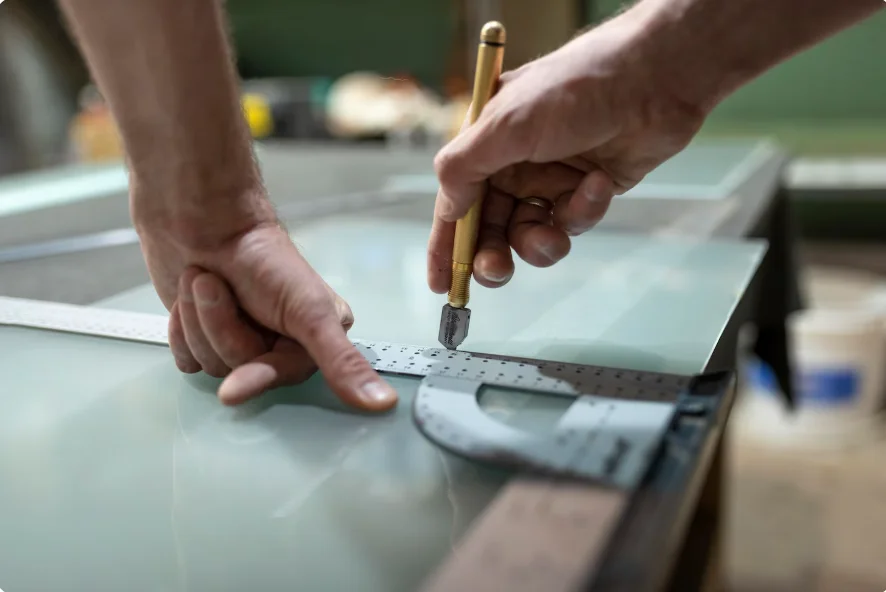
Glass has become an integral part of modern construction, design, and transportation, offering both functional benefits and aesthetic appeal. Whether it is installed in homes, offices, commercial buildings, or vehicles, glass contributes to natural lighting, visibility, insulation, and overall visual design. Over time, however, glass can sustain damage from a variety of sources including accidents, environmental stress, wear and tear, and unforeseen incidents. When such damage occurs, professional glass replacement becomes a critical solution to restore safety, functionality, and aesthetic appeal. Prompt replacement of damaged glass ensures that the structural integrity of the installation is maintained, prevents potential injuries from broken shards, and protects the environment from energy loss caused by cracks or gaps in windows and doors.
Understanding the Significance of Glass Replacement
The importance of glass replacement extends beyond the mere act of removing broken panes and installing new ones, as it plays a vital role in maintaining the overall safety and efficiency of the structure or vehicle. Broken glass can create immediate hazards, including physical injury from sharp edges, and can also lead to secondary problems such as water leakage, reduced insulation, and compromised structural stability. In vehicles, a damaged windshield or side window can interfere with clear visibility, increasing the likelihood of accidents and posing a serious risk to both the driver and passengers. Similarly, in buildings, damaged or inefficient glass can result in heat loss during cold seasons or excessive heat during warm periods, leading to increased energy costs and reduced comfort. From an aesthetic standpoint, damaged glass often detracts from the overall appearance of a space or vehicle, giving the impression of neglect and poor maintenance. Timely glass replacement not only mitigates these risks but also preserves the visual integrity and value of the property, ensuring that the environment remains safe, functional, and visually appealing.
Different Types of Glass That Require Replacement
There are numerous types of glass, each designed for specific purposes and applications, and understanding these variations is important when considering glass replacement. Tempered glass is one of the most widely used types, known for its enhanced strength and safety properties. It is engineered to break into small, less dangerous fragments, which reduces the risk of serious injury in the event of breakage. This type of glass is commonly found in doors, shower enclosures, and some vehicle windows. Laminated glass, on the other hand, consists of multiple layers of glass with a plastic interlayer, which keeps the fragments together even if the glass is shattered. Laminated glass is often used in vehicle windshields and security-sensitive areas, providing both durability and safety. Insulated glass units, also referred to as double or triple-pane glass, are designed to improve energy efficiency by trapping air or gas between the panes, thereby providing superior insulation and noise reduction. This type of glass is widely used in energy-efficient windows for residential and commercial buildings. Decorative glass, including frosted, stained, etched, or patterned variants, is primarily used to enhance visual appeal while also maintaining some level of privacy. Each of these glass types may require a different approach for replacement, and selecting the appropriate material is critical to achieving both functional and aesthetic goals.
Signs Indicating the Need for Glass Replacement
Recognizing the signs that glass requires replacement is essential to prevent further damage and maintain safety. One of the most obvious indicators is the presence of visible cracks or chips, which, if left unaddressed, can expand over time due to environmental stressors such as temperature fluctuations or mechanical pressure, eventually resulting in complete breakage. Condensation or fogging between the panes of insulated glass units is another sign that the seal has been compromised, which can reduce energy efficiency and lead to higher heating or cooling costs. Difficulty in operating windows or doors may suggest warped, cracked, or otherwise compromised glass, making smooth operation impossible. Broken edges, sharp fragments, or severely damaged glass present immediate safety risks and require urgent professional attention. In vehicles, scratches, cracks, or clouded glass can obstruct the driver’s line of sight, significantly increasing the potential for accidents. Identifying these warning signs early and seeking professional glass replacement services ensures that hazards are mitigated, functionality is restored, and visual integrity is preserved.
The Glass Replacement Process Explained
Professional glass replacement involves a structured and precise process that ensures the safety, longevity, and functionality of the installation. The first step is a thorough assessment of the damaged glass, including careful measurement of the dimensions, evaluation of the type of glass, and determination of the best replacement approach. Accurate measurements are critical to ensure that the new glass fits perfectly within the existing frame, avoiding gaps that could compromise insulation or structural integrity. Once the measurements are obtained, the appropriate type of glass is selected based on the intended purpose, safety standards, thickness, and aesthetic considerations. The removal of the damaged glass is conducted with extreme caution to prevent injury and avoid damage to the surrounding frame, walls, or vehicle interior. Following removal, the new glass is installed precisely, secured in place, and sealed appropriately to prevent leaks or drafts, with professionals ensuring that alignment and leveling are accurate. A final inspection is conducted to verify that the installation meets safety and quality standards, leaving no risk of future failure or hazards. This meticulous process highlights why professional glass replacement is essential for effective and long-lasting results.
Benefits of Professional Glass Replacement
While some individuals may attempt DIY solutions for glass repair, professional glass replacement offers numerous advantages that make it the preferred choice for safety and durability. Professionals are trained to handle glass safely, significantly reducing the risk of injury from sharp edges or heavy panes. Certified technicians also use high-quality materials that adhere to safety and durability standards, ensuring that the replacement glass is reliable and long-lasting. Precision installation guarantees that the glass is correctly aligned, sealed, and stable, which prevents leaks, drafts, and potential damage to frames or surrounding structures. Additionally, professional services save significant time and effort, as experts complete the replacement efficiently and accurately, minimizing disruption to daily life or business operations. In many cases, professional replacement is also required to maintain compliance with insurance policies or building codes, making it a responsible choice for property owners and vehicle owners alike. Overall, the combination of safety, efficiency, and quality makes professional glass replacement a critical investment.
Maintaining Glass After Replacement
After replacing damaged glass, proper maintenance is essential to ensure longevity, clarity, and continued safety. Regular cleaning using non-abrasive materials and appropriate cleaning solutions prevents scratches and preserves transparency, while avoiding impacts or excessive force on the glass minimizes the risk of chips, cracks, or other damage. For insulated or laminated glass, it is important to periodically check seals and edges to ensure that they remain intact and functional, maintaining insulation and structural integrity. In addition, professional inspections can help identify potential weaknesses or emerging issues before they become serious problems, extending the life of the glass and reducing the need for future replacements. By following these maintenance practices, property owners and vehicle operators can maximize the benefits of glass replacement, ensuring that the installation continues to provide safety, efficiency, and aesthetic appeal for years to come.
Applications of Glass Replacement Across Various Settings
Glass replacement is relevant in a wide range of applications, reflecting the diverse uses of glass in modern life. In residential settings, broken windows, sliding doors, and glass partitions often require timely replacement to maintain comfort, energy efficiency, and aesthetic value. Commercial spaces such as offices, retail stores, and restaurants rely heavily on glass for both functionality and appearance, and damaged glass can compromise security, professionalism, and the overall environment. Vehicles, including cars, trucks, and other transportation modes, depend on glass for structural safety, visibility, and passenger protection, making professional replacement essential to meet safety standards and maintain driving conditions. Decorative and specialty glass installations, including mirrors, stained glass, and etched designs, often require expert handling during replacement to preserve their visual integrity and unique features. Across all these applications, the principles of glass replacement—safety, precision, and durability—remain consistent, emphasizing the importance of timely and professional intervention whenever damage occurs.
Conclusion
Glass replacement is an essential process for maintaining safety, functionality, energy efficiency, and aesthetic appeal in residential, commercial, and vehicular settings. Timely replacement prevents injuries, preserves structural integrity, improves energy efficiency, and restores the visual appearance of the installation. Understanding the types of glass, recognizing signs of damage, and employing professional replacement services are critical for achieving safe, accurate, and long-lasting results. Proper maintenance following installation further enhances durability, ensuring that the glass continues to serve its functional and decorative purposes effectively. By prioritizing professional glass replacement, individuals and organizations can safeguard their properties and vehicles while preserving beauty, efficiency, and peace of mind, making it an indispensable aspect of modern life.

Top Benefits of Using Construction Bid Software in Construction Bidding

Comprehensive Guide to Concrete Repair: Techniques, Benefits, and Best Practices
Efficient and Safe Wiring for New Homes: A Homeowner’s Guide to New Construction Electrical Systems