Mastering Modern Landscape Construction: A Complete Guide to Transforming Outdoor Spaces
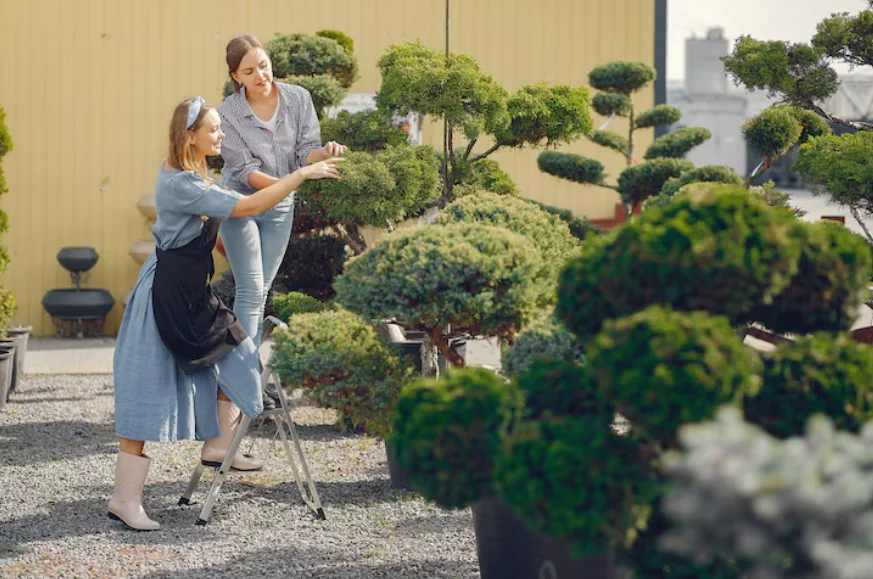
Creating a functional and aesthetically pleasing outdoor environment requires thoughtful planning, meticulous execution, and an understanding of the many elements that contribute to a harmonious landscape. As homeowners increasingly seek to elevate their outdoor areas for relaxation, entertainment, and property value, the demand for well-designed exterior spaces has grown significantly. This is where the discipline of landscape construction becomes essential. More than simply installing plants and laying stones, it involves integrating natural beauty with structural features to enhance usability, comfort, and long-term durability. This comprehensive guide explores the principles, processes, materials, and benefits associated with landscape construction, helping homeowners and professionals alike understand how to build outdoor spaces that are both beautiful and sustainable.
Understanding the Concept and Importance of Landscape Construction
Landscape construction in Orlando is a specialized field that combines architecture, engineering, horticulture, and design to create outdoor environments that serve both aesthetic and functional purposes. It encompasses a wide range of installations, such as retaining walls, patios, pathways, water features, drainage systems, irrigation setups, and outdoor living areas. Unlike basic gardening or maintenance, landscape construction focuses on structural and long-lasting elements that shape the foundation of an outdoor space. When approached correctly, it enhances property value, reduces maintenance requirements, prevents soil erosion, manages water flow effectively, and supports a healthy environment. Homeowners who invest in high-quality landscape construction gain outdoor spaces that not only look impressive but also withstand changing climates and evolving lifestyle needs.
Key Elements That Shape the Landscape Construction Process
Successful landscape construction begins with a thoughtful assessment of the property. This includes analyzing soil conditions, drainage patterns, sunlight exposure, existing vegetation, and the overall layout of the yard. Understanding these factors helps designers plan structures that blend naturally with the surroundings rather than compete with them. The next stage involves crafting a cohesive design that reflects the homeowner’s style, whether modern, rustic, minimalist, or traditional. The design also takes into account practical considerations, such as foot traffic patterns, entertainment needs, privacy requirements, and long-term maintenance expectations. The integration of hardscapes and softscapes forms the core of landscape construction, and a well-balanced plan ensures visual harmony and functional longevity.
The Role of Hardscaping in Outdoor Environments
Hardscaping refers to the structural components of outdoor design patios, decks, walkways, retaining walls, garden borders, pool surrounds, and other permanent features made from concrete, stone, brick, wood, or metal. Hardscape elements provide stability and structure to the landscape, allowing the natural components to thrive without overwhelming the space. For example, a well-built retaining wall prevents soil erosion on sloped properties, while a stone pathway enhances accessibility and directs movement. Outdoor kitchens, fire pits, and seating walls also fall under hardscaping and have become increasingly popular as homeowners seek year-round usability in their outdoor areas. With proper installation and high-quality materials, the hardscaping completed during landscape construction can last for decades and significantly enhance the property’s functional value.
Softscaping and Its Contribution to Landscape Harmony
Softscaping involves plants, trees, shrubs, flowers, ground cover, and other living elements that bring color, texture, and life to the landscape. When integrated thoughtfully, softscaping enhances the overall design by framing hardscapes, balancing structural lines, and creating a natural flow throughout the outdoor space. Choosing the right plant species is essential, as climate, soil type, water availability, and sunlight exposure all influence a plant’s health and longevity. Sustainable planting practices, such as using drought-tolerant species or native plants, also reduce maintenance needs and contribute to environmental health. Effective softscaping ensures year-round visual appeal, improves air quality, and supports biodiversity by attracting pollinators and wildlife. Within landscape construction, the strategic combination of softscaping and hardscaping forms a cohesive and inviting outdoor environment.
Materials Commonly Used in Landscape Construction
Selecting the appropriate materials is one of the most important decisions in landscape construction. Natural stone is highly durable and offers timeless beauty, making it ideal for patios, pathways, and retaining walls. Concrete provides flexibility in design, allowing for custom patterns, shapes, and finishes. Brick adds a classic appeal and works well in traditional or rustic landscapes. Wood brings warmth and natural character to decks, pergolas, and fencing, though it requires proper maintenance to prevent rot and weathering. Metal components, such as steel edging or aluminum structures, are valued for their modern aesthetics and long lifespan. The materials chosen must complement the architectural style of the home and withstand the environmental conditions of the area. Quality materials enhance durability, reduce long-term repair needs, and elevate the overall appearance of the outdoor space.
The Step-by-Step Process of Landscape Construction
The process of landscape construction typically begins with consultation and planning. Homeowners collaborate with designers or contractors to discuss goals, preferences, budget, and desired functionality. Once the design is finalized, preparation begins, which may involve removing old structures, clearing vegetation, adjusting land grades, and installing drainage systems to prevent future water damage. Excavation and leveling ensure a stable foundation for hardscaping installations. The construction phase then moves to building patios, walls, pathways, and other permanent features, followed by the installation of irrigation systems and lighting. Softscaping is usually completed last to avoid damage to plants during construction. The entire process requires skilled labor, attention to detail, and careful coordination to achieve a polished and cohesive result. Proper execution ensures that the finished landscape is safe, functional, and visually appealing.
The Benefits of Professional Landscape Construction
Choosing professional services for landscape construction ensures that every component is installed correctly and efficiently. Experienced contractors understand design principles, material properties, soil behavior, and proper installation techniques. They also possess specialized equipment that enhances precision and speeds up the construction process. Professionals can identify potential problems early, such as drainage issues or soil instability, and address them before they affect the final product. Additionally, professional projects often come with warranties, providing homeowners with confidence and long-term security. A properly constructed landscape increases property value, improves outdoor comfort, boosts curb appeal, and provides owners with an inviting environment for relaxation, entertainment, or gardening. The benefits extend far beyond visual appeal, contributing to both lifestyle improvement and property longevity.
Enhancing Outdoor Living Through Thoughtful Design
A well-designed outdoor space reflects the lifestyle and personality of the homeowner. Some homeowners prioritize entertainment, choosing features like outdoor kitchens, fire pits, pergolas, and seating areas. Others focus on creating peaceful retreats with lush gardens, water features, and shaded sitting spaces. Many families seek functional areas for children’s play or pet-friendly designs with durable surfaces and secure fencing. Lighting also plays an essential role, highlighting architectural features, improving safety, and extending the usability of the space into the evening. Incorporating sustainable practices such as rainwater harvesting, native plant gardens, and eco-friendly irrigation systems further enhances the value and environmental impact of the landscape. Through strategic planning and landscape construction, outdoor areas become meaningful extensions of the home, blending comfort, aesthetics, and functionality.
Maintaining the Results of Landscape Construction
Maintenance is essential to preserving the beauty and functionality of the landscape once construction is complete. Hardscapes should be inspected regularly for cracks, shifting stones, or drainage issues. Wood structures may need sealing or staining to protect against weather damage. Softscaping requires proper watering, pruning, mulching, and pest control to remain healthy and vibrant. Irrigation systems should be checked seasonally for leaks or inefficiencies, and lighting systems may need bulb replacements or adjustments over time. Investing time in maintenance ensures that the landscape remains in excellent condition for years to come, preserving the impact of the original construction and preventing costly repairs in the future. A well-maintained landscape improves overall property enjoyment and supports the longevity of all installed elements.
Conclusion
Landscape construction in Orlando is a transformative process that brings together creativity, engineering, and environmental awareness to create outdoor spaces that enhance both beauty and functionality. With thoughtful planning, the right materials, skilled craftsmanship, and proper maintenance, homeowners can enjoy outdoor environments that complement their lifestyle and increase property value. Whether building serene gardens, modern entertainment areas, durable pathways, or structural retaining walls, the principles of landscape construction ensure that every feature is built to endure. This long-term investment enhances comfort, visual appeal, and ecological balance, ultimately creating outdoor spaces that provide enjoyment and pride for years to come.

House Painters Sydney: Tips for a Smooth and Stress-Free Painting Project
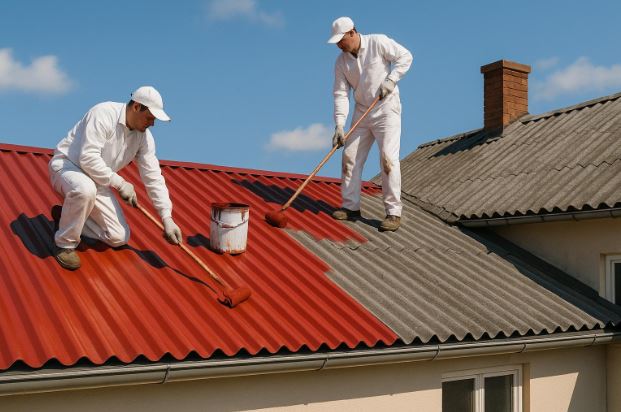
A Comprehensive Guide to Hiring Roof Painters in Melbourne

Elevate Your Home Hygiene with Curtain Washing Singapore and Upholstery Cleaning