Ultimate Guide to Deck Replacement: Restoring Safety, Style, and Longevity
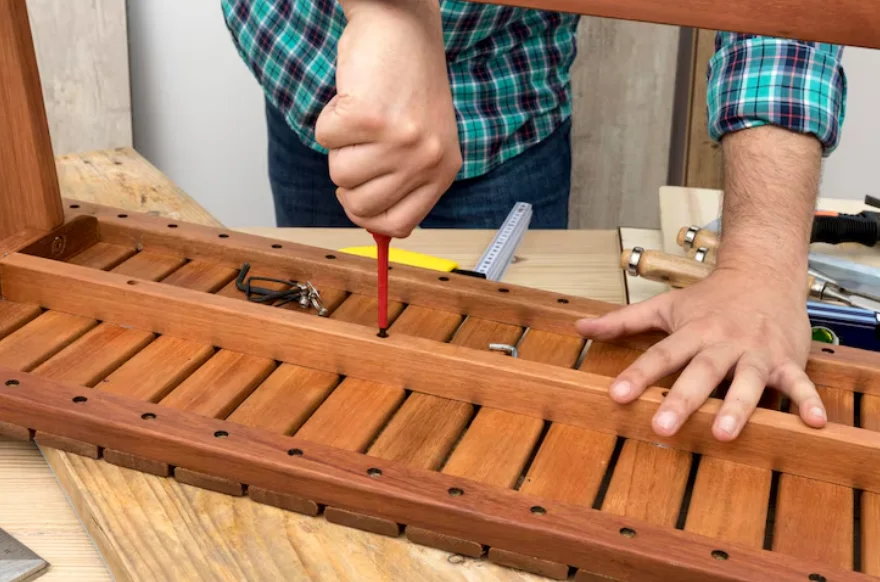
Decks are more than just an outdoor feature; they are an extension of your home, providing a space for relaxation, entertainment, and enjoying nature. Over time, constant exposure to weather, sunlight, and heavy foot traffic can weaken even the sturdiest decks. When maintenance and minor repairs are no longer sufficient, a full deck replacement becomes essential to ensure safety, enhance aesthetics, and improve functionality. A new deck offers an opportunity to upgrade materials, design, and overall usability, creating a long-lasting, visually appealing outdoor living space. This guide provides a comprehensive overview of deck replacement, including signs it is needed, the replacement process, material options, maintenance, and professional guidance.
Why Deck Replacement Is Important
Replacing a deck is not just a cosmetic upgrade; it addresses critical safety and structural concerns. Over time, wood can rot, boards can warp, and railings or stairs may become unstable, posing a risk to anyone using the deck. A deteriorating deck can also reduce property value and diminish the overall appeal of your outdoor space. Additionally, replacing an old deck provides an opportunity to incorporate modern materials and designs that require less maintenance and offer greater durability. By investing in a high-quality replacement, homeowners ensure that their deck remains a safe, functional, and aesthetically pleasing space for years to come.
Signs It’s Time for a Deck Replacement
Recognizing the signs that indicate a deck replacement is necessary can prevent accidents and costly repairs. Common indicators include extensive rot or decay, which compromises structural integrity; widespread warping, splintering, or cracked boards, creating hazards for walking; loose or wobbly railings that can no longer provide safety; rusted or corroded hardware that weakens the overall deck stability; unstable stairs that pose a significant risk of injury; and faded or deteriorated finishes that can no longer protect the deck from weathering. In some cases, homeowners may choose to replace a deck for aesthetic reasons, updating its design, size, or layout to better suit their lifestyle or complement home renovations.
Step-by-Step Deck Replacement Process
Replacing a deck involves careful planning, preparation, and execution. The process typically begins with planning and design, where homeowners determine the deck’s purpose, size, layout, and features such as railings, stairs, or built-in seating. The next step is removing the old deck, including boards, railings, stairs, and hardware, while assessing the substructure for damage. Inspecting and reinforcing the substructure ensures the new deck has a solid foundation, which may include pouring new footings or reinforcing existing posts. Once the base is secure, new decking boards are installed with proper spacing for drainage and expansion, followed by the installation of railings and stairs. Sanding, staining, and sealing the deck enhances durability and aesthetic appeal, and a final inspection ensures that all components are secure and safe for use.
Choosing Materials for Deck Replacement
Selecting the right materials is critical for long-term performance, maintenance, and visual appeal. Pressure-treated wood is a popular choice due to its affordability and resistance to insects and moisture, though it requires periodic sealing. Cedar and redwood offer natural resistance to decay and a rich appearance but demand more maintenance. Composite decking, made from recycled materials, provides a low-maintenance, long-lasting alternative that resists fading, warping, and termites. PVC decking is fully synthetic, extremely durable, and resistant to rot and splintering, making it ideal for wet or humid climates. High-quality fasteners and hardware, such as stainless steel or coated screws, further ensure structural stability and longevity. Choosing the appropriate materials based on climate, usage, and budget guarantees a deck that remains functional and beautiful for decades.
Benefits of Deck Replacement
A full deck replacement offers several advantages over continuous repairs. Safety is significantly improved as weakened boards, posts, and railings are replaced. Modern aesthetics enhance the outdoor living space, creating a welcoming and visually appealing area. Low-maintenance materials reduce the time and cost required for upkeep. Functionality can also be enhanced with redesigned layouts, built-in seating, or other custom features. While the initial investment may be higher than small repairs, long-term savings are realized through reduced maintenance costs, improved durability, and increased property value.
Maintenance Tips for a New Deck
Proper maintenance of a newly replaced deck extends its lifespan and preserves its appearance. Regular cleaning prevents dirt, debris, and mildew buildup, while refinishing wood decks every few years protects against weathering. Regular inspections of fasteners, railings, and boards allow early identification of issues, preventing minor problems from escalating. Ensuring proper drainage and avoiding standing water reduces the risk of rot, while trimming nearby plants minimizes moisture and pest concerns. Even with low-maintenance materials such as composite or PVC, occasional cleaning is essential to retain the deck’s pristine condition and functionality.
When to Hire Professionals
While some experienced homeowners may attempt a DIY deck replacement, hiring a professional ensures safety, code compliance, and quality craftsmanship. Professional deck builders bring expertise in structural assessment, proper installation techniques, material selection, and project management. Their knowledge of local building codes and safety requirements helps avoid potential legal or safety issues, while efficient construction saves time and minimizes errors. For complex designs, multi-level decks, or features such as built-in seating or outdoor kitchens, professional expertise ensures the project is completed to the highest standards, delivering a safe, durable, and visually stunning result.
Conclusion
Deck replacement is a critical investment for homeowners seeking safety, durability, and aesthetic appeal in their outdoor spaces. By identifying the signs that a replacement is necessary, selecting high-quality materials, and following a careful construction process, homeowners can create a deck that enhances their outdoor living experience and increases property value. Proper planning, professional installation, and ongoing maintenance ensure that the new deck remains functional, beautiful, and safe for years to come. Whether for family gatherings, entertaining friends, or enjoying a peaceful retreat, a well-executed deck replacement transforms an outdoor area into a lasting, enjoyable space that elevates the home’s overall appeal.

How to Build a Kitchen Essentials Kit with a Soup Pot Bundle

Under Counter Fridge Ice Makers for Efficient Kitchens

How Outdoor Swings Encourage Active Play in Community Spaces