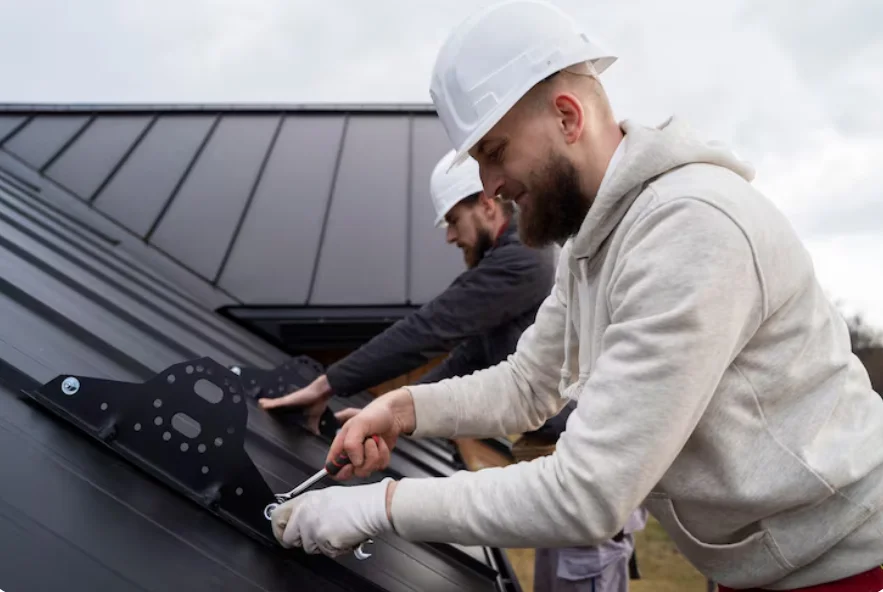
A roof is far more than the topmost layer of a building; it is a critical component that protects the structure, preserves the interior, and enhances the property’s overall value. Proper roof installation ensures durability, energy efficiency, weather resistance, and aesthetic appeal, while a poorly executed installation can lead to leaks, structural damage, and costly repairs. From residential homes to commercial properties, investing in professional roof installation is essential for maintaining safety, comfort, and long-term financial value. Understanding the processes, materials, and best practices involved in roof installation can help property owners make informed decisions and ensure lasting results.
The Importance of Professional Roof Installation
A roof is constantly exposed to environmental stresses, including rain, snow, wind, sun, and temperature fluctuations. Its ability to withstand these forces depends on both the quality of materials and the skill of the installation team. Professional roof installation is not merely about placing shingles or panels; it involves precise engineering, structural assessment, and adherence to building codes and manufacturer specifications. Trained roofing contractors evaluate roof design, pitch, ventilation, and underlayment to ensure that the roof functions properly and protects the structure below.
Hiring experienced professionals minimizes the risk of common installation errors, such as improperly aligned shingles, inadequate sealing, or insufficient flashing around chimneys and vents. Even small mistakes can compromise waterproofing, reduce energy efficiency, and shorten the roof’s lifespan. Professionals also bring the expertise to recommend materials that match the property’s design, climate conditions, and maintenance preferences.
Planning and Preparation for Roof Installation
Successful roof installation begins with careful planning and preparation. This process starts with a comprehensive inspection of the existing roof and structural supports. Contractors assess the condition of the decking, trusses, and support beams to ensure they are capable of supporting new roofing materials. Identifying issues such as rot, mold, or weakened framing early in the process allows for necessary repairs before installation begins, preventing future problems and ensuring safety.
Accurate measurements are critical. Roofing teams calculate the total square footage, slope, and angles of the roof to determine material requirements. They also account for ventilation needs, drainage patterns, and potential obstacles, including chimneys, skylights, and vents. Proper preparation reduces waste, prevents delays, and ensures that the installation proceeds smoothly.
Selecting the Right Roofing Materials
The choice of roofing material has a significant impact on durability, maintenance, and aesthetics. Common options include asphalt shingles, metal panels, clay or concrete tiles, slate, and synthetic materials. Each has unique benefits: asphalt shingles are cost-effective and widely available; metal roofs are long-lasting and energy-efficient; clay or concrete tiles provide aesthetic appeal and heat resistance; and slate offers unmatched durability. A professional roof installation team guides property owners through material selection, considering climate, budget, and design preferences.
The underlayment, flashing, and ventilation components are equally important. Underlayment serves as a moisture barrier, protecting the roof deck from leaks. Flashing seals joints and areas around chimneys, vents, and skylights, preventing water intrusion. Adequate ventilation reduces heat buildup, prevents condensation, and extends the lifespan of roofing materials.
The Roof Installation Process
Roof installation involves multiple carefully coordinated steps to ensure structural integrity, proper drainage, and long-lasting protection. The process generally begins with removal of the old roofing material, if necessary. This step allows the team to inspect the underlying structure and make repairs where needed. Removing debris and damaged materials also ensures that the new roof sits evenly and securely.
Next, the underlayment is installed across the roof deck, followed by flashing around critical areas prone to leaks. The primary roofing material is then applied according to manufacturer specifications. Shingles are aligned precisely, metal panels are fastened securely, and tiles are carefully positioned to provide maximum coverage and resistance to wind and water. Proper attention to detail during installation ensures a tight, secure roof that can withstand severe weather and provide reliable protection.
Ensuring Proper Ventilation and Insulation
A critical component of roof installation is ensuring proper ventilation and insulation. Poor ventilation can lead to heat buildup in the attic, increasing energy costs and potentially causing premature deterioration of roofing materials. Moisture accumulation due to inadequate ventilation can result in mold growth, wood rot, and structural damage. Professionals assess airflow, install ridge vents, soffit vents, and other ventilation systems as needed, balancing intake and exhaust for optimal performance. Insulation beneath the roof deck complements ventilation by reducing energy loss and maintaining comfortable indoor temperatures.
Safety Considerations During Installation
Roof installation is inherently hazardous, involving work at heights and handling heavy materials. Professional roofing teams follow strict safety protocols to prevent accidents, including the use of harnesses, scaffolding, and guardrails. Training, experience, and proper equipment reduce the risk of falls and injuries. In addition, professionals take precautions to protect property and landscaping below, ensuring that debris and materials are safely managed throughout the installation process.
Post-Installation Inspection and Maintenance
Once the roof installation is complete, a thorough inspection ensures that all materials are properly installed and that the roof meets industry and manufacturer standards. Technicians check alignment, fasteners, flashing, ventilation, and overall integrity. This final inspection not only ensures quality but also identifies potential areas for early maintenance, such as loose shingles or minor gaps that may require touch-ups.
Long-term maintenance is essential for preserving the performance and appearance of the roof. Regular inspections, cleaning gutters, removing debris, and monitoring for damage after storms are recommended practices. Proper maintenance helps extend the lifespan of the roof, prevents costly repairs, and ensures continued protection for the building.
The Value of Professional Roof Installation
Investing in professional roof installation in Franklin delivers long-term benefits that outweigh the initial costs. A properly installed roof enhances property value, improves energy efficiency, and provides peace of mind against leaks, storms, and weather-related damage. It also reduces the likelihood of future repairs, saving money and preventing disruption. Professional installation ensures adherence to building codes, manufacturer warranties, and safety standards, providing both financial and legal protection for property owners.
Conclusion: The Critical Role of Expert Roof Installation
Roof installation is a complex and highly skilled process that combines engineering, craftsmanship, and careful planning. From selecting appropriate materials and ensuring structural integrity to implementing proper ventilation and adhering to safety protocols, professional roof installation provides lasting protection, aesthetic appeal, and energy efficiency. Investing in expert installation not only safeguards a property from the elements but also enhances its long-term value and usability. A well-installed roof is a vital component of a resilient, safe, and beautiful building, providing security and peace of mind for years to come.