

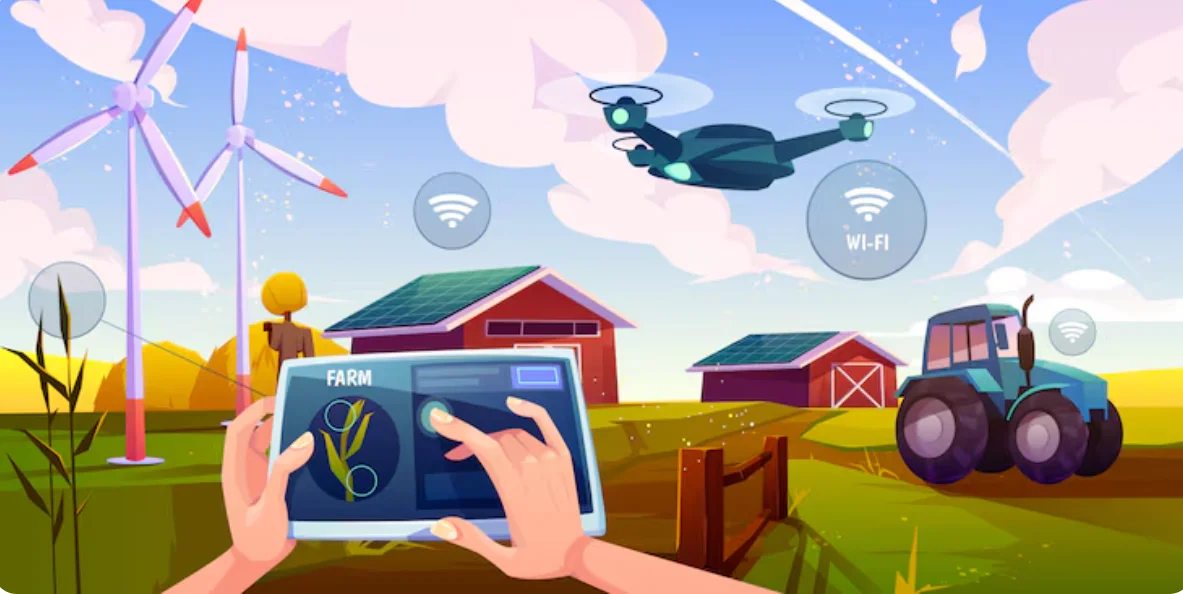
The contemporary agricultural industry is under pressure to become more productive and less costly at the same time less wasteful of resources. The large-scale farms especially are faced with the problem of tracking the health of crops, irrigation, and soil conditions in large spaces. Manual inspections and satellite imaging, which are some of the traditional techniques used, can be time-consuming, costly, or inaccurate. Drones offer an effective and pragmatic alternative and enable farmers to collect in-depth data with little effort. The use of drone technology in farming processes can also improve the process of decision-making, resource efficiency, and eventually yield.
Justifying Soil and Field Analysis
Cognizance of the soil status is crucial in order to interfere with crop output. On the one hand, it is possible to gather specific data about soil structures, the level of nutrition and the topography of the field and make certain intercessions through drones. Through the creation of elaborate maps and analytics, drones can help to plan the rotation of crops, the application of fertilizers, and planting; that optimize the health of the soil. With the help of drone services Canada, agricultural activities will be able to be professionally supported in terms of soil assessment and analysis, which will provide the necessary and reliable results.
Furthermore, drones will provide the capability to continuously observe the status of the soil during the growing period. Farmers will be able to take corrective steps in time by noting changes in moisture content of soil, compaction and erosion. Constant observation lowers the chances of crop stress or failure and also increases the sustainability of the farming production. By adding drones to soil and field management, it can be seen as a proactive strategy that can protect the yield and the quality of the environment.
Enhancing Crop Monitoring
Drones have a special benefit in the surveillance of crops in large areas of land farms. They have high quality cameras and multispectral sensors making them pick up early disease signs, nutrient deficiencies, or pests that would otherwise not be seen by a person inspecting manually. This real time monitoring enables the farmers to address problems early enough before they turn into large scale problems. Drone video services are capable of providing detailed images of the crop condition allowing to have a visual image that can be analyzed and made available to agronomist or farm managers to make further planning more informed.
In addition to visual surveillance, drones are also used to assist in precision farming. Through field mapping, drones can assist farmers to use water, fertilizers, and pesticides in a more efficient way by means of the analysis of plant health by use of spectral data. The targeted method will minimize the waste of chemicals, minimize expenditures, and minimize the impact on the environment. Through the adoption of drones as the standard procedure in crop inspection, farms will be in a position to have healthier crops, enhance production, and decrease the chances of losing crops.
Improving Irrigation and Water Management
Management of water is a key determinant of successful large scale agricultural operation. The conventional irrigation observation techniques usually use estimates or spot check which may result in either over- or under-watering. Thermal sensors on drones can be used to find regions with inadequate soil moisture or crop water stress, so farmers can program irrigation hours more precisely. It is a factual solution that guarantees efficient water allocation in the whole farm, which saves resources and improves crop production.
Besides enhancing efficiency, drones offer a global view of the irrigation infrastructure. They will be able to detect broken pipes, blocked channels, or unbalanced water distribution which may influence crop production. Incidents of drones assist in keeping irrigation systems in optimal condition thus preventing time wastage and expensive repairs. Through these abilities, the farms can realise sustainable water management practices to generate long-term productivity.
Developing Data-Driven Decision Making
Information gathered by drones gives farmers information that enhances the operational decision-making. Multispectral analysis and high-resolution imagery make it possible to accurately estimate the health of plants, pest threats, and soil diversity. Such information enables evidence-based interventions that will maximize the use of resources and enhance productivity. With the assistance of drone technology, big farms will cease reactive management and transform to strategic planning.
The Drones also simplify records and reporting on compliance and certification purposes. The data obtained in terms of imagery and analytics can be saved to be compared in history, analyze the trends, and document the regulations. These documents are especially beneficial in the large-scale operations that require that they should be in line with industry requirements or prove to be sustainable. The adoption of drones into the farm industry workflow will provide it with the technological edge needed to increase the efficiency of its operations and lead to its long-term success.
Drones are changing the way large-scale agriculture is done and drone technology offers cost-effective, precise, and efficient monitoring. Drones facilitate sustainable and efficient farming practices, including crop and irrigation management, soil analysis, and decision-making based on the available data. With an ever-growing challenge to the agricultural industry, drones are a sure and innovative method to fulfill the success and sustainability of the contemporary farming business.
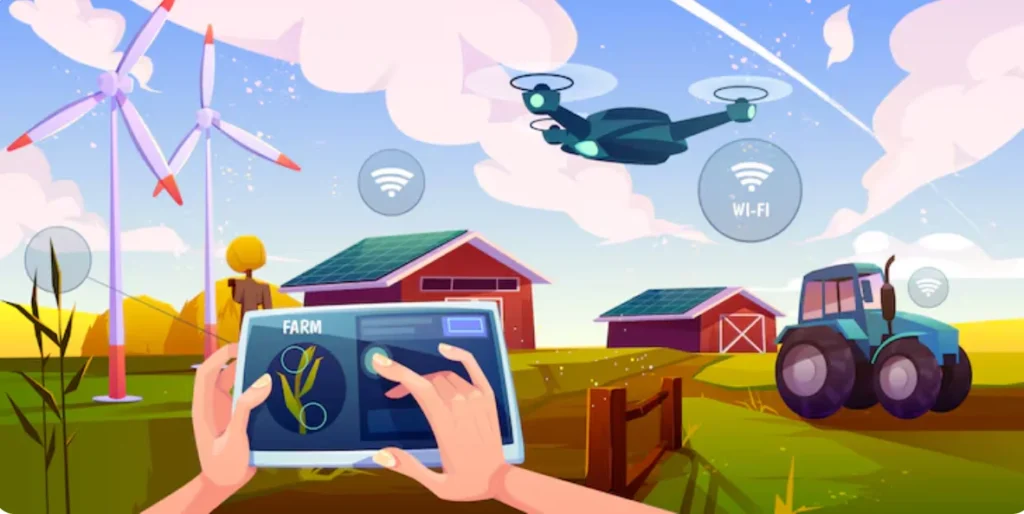
Why You Should Use Drones to Monitor Large-Scale Agricultural Operations
ISOBUS + FieldBee: Smarter Machines, Better Results
Styling Your Garden Dining Setup for Every Season
