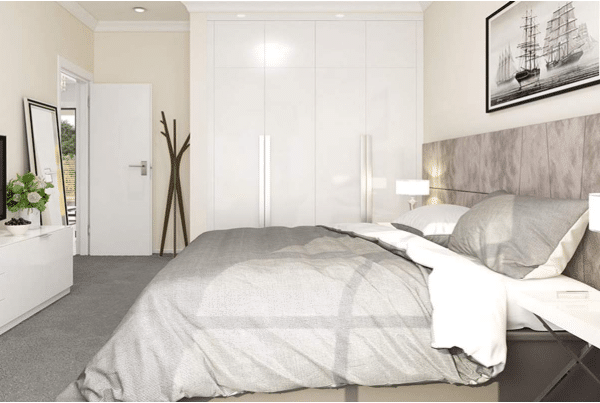
Privacy. It’s one of those things we don’t think much about until we don’t have it. You’re in your bedroom trying to relax, and you can hear every conversation happening in the living room. Or worse, you’re on a work call from your home office and worried that everyone can hear you. That’s where WPC doors come in—and honestly, their role in creating private spaces is something more homeowners should understand.
Understanding Privacy Beyond Just Closing a Door
When we talk about privacy, most people think about simply shutting a door. But real privacy involves sound isolation, visual barriers, and creating distinct zones within your home. A door that doesn’t block noise isn’t really providing privacy at all—it’s just a symbolic gesture.
I worked with a client a few years back who had an open-concept home with a bedroom right off the main living area. She complained constantly about hearing the television and family conversations while trying to sleep. We replaced her hollow core door with a WPC door, and suddenly she had the peace and quiet she’d been craving. It was a small change that made a massive difference in her quality of life.
The Sound Insulation Advantage
Here’s the thing about sound transmission—it’s sneaky. Regular hollow core doors, which are basically cardboard sandwiched between thin wood veneer, offer almost no acoustic protection. WPC doors, by contrast, have a dense composite core that actually works to block sound.
The science behind this is straightforward. Wood plastic composite materials contain wood fibers that naturally absorb sound, while the plastic component creates a dense structure that prevents sound waves from passing through. This combination creates what’s technically called “sound transmission loss”—basically, the door’s ability to reduce noise traveling between spaces.
In my experience, this makes WPC doors particularly valuable in:
- Master bedrooms where you want to escape household noise
- Home offices where you need to conduct calls without disturbing others
- Children’s rooms where you want to minimize noise from siblings or common areas
- Bathrooms where you’d prefer some acoustic privacy
Privacy Through Noise Control
Think about the different types of noise your home experiences. There’s airborne noise—voices, music, television—and impact noise, like footsteps or doors slamming. By the way, WPC doors handle both remarkably well because of their multilayered structure.
The dense core of WPC doors helps dampen both types of noise transmission, creating what feels like a genuine barrier between spaces. It’s not complete soundproofing—nothing short of professional acoustic treatment achieves that—but it’s a dramatic improvement over standard doors.
One of my neighbors recently installed WPC doors throughout her home, and she mentioned how much more peaceful her bedroom feels now. She can still hear if someone’s calling her, but the ambient household noise is significantly reduced. That’s the sweet spot for most homeowners.
Visual Privacy and Design
Privacy isn’t just about sound. It’s also about sight lines and creating distinct visual boundaries. WPC doors offer several advantages here:
- Solid core construction means no light gaps or shadows visible under the door
- Flush designs create seamless transitions between spaces
- Opaque finishes prevent silhouettes from being visible through the door
- Customizable designs allow you to choose aesthetics that match your home’s style
The Thermal Insulation Connection
Here’s something people often overlook: thermal insulation contributes to privacy in subtle ways. When a door provides good thermal insulation, it typically has a denser core structure. That same density that keeps heat from escaping also blocks sound transmission. It’s a nice bonus—you’re getting privacy enhancement as a side effect of energy efficiency.
WPC doors have low thermal conductivity, meaning they resist heat transfer effectively. This creates a more comfortable environment while simultaneously enhancing acoustic privacy. The multilayered structure, sometimes filled with foam or air gaps, serves double duty for both thermal and sound performance.
Comparing to Traditional Alternatives
Let’s be honest about what you’re replacing. Traditional wooden doors can be beautiful, but they’re not particularly effective at sound insulation. They can warp with humidity changes, which actually creates gaps that allow sound to pass through more easily.
Hollow core doors? They’re basically useless for privacy purposes. They’re lightweight, inexpensive, and offer virtually no sound blocking. I find that homeowners who upgrade from hollow core to WPC doors are always shocked at the difference.
MDF doors fall somewhere in the middle—better than hollow core but not as effective as WPC. The composite nature of WPC, with its specific blend of wood fibers and plastic materials, creates superior acoustic properties compared to these alternatives.
Installation Considerations for Maximum Privacy
The door itself is only part of the equation. Installation quality matters tremendously for privacy. Gaps around the frame, improper sealing, or misaligned doors can completely undermine the sound-blocking benefits.
When installing WPC doors for privacy purposes, consider:
- Proper weatherstripping around the entire frame
- Acoustic caulk in gaps between the door frame and wall
- Door sweeps on the bottom to eliminate light and sound gaps
- Quality hinges that keep the door properly aligned
OPPEIN and Quality Manufacturing
When shopping for WPC doors, the manufacturing quality directly impacts privacy performance. OPPEIN, for instance, produces WPC doors with careful attention to core density and structural integrity—factors that directly influence sound insulation capabilities.
Not all WPC doors are created equal. Some manufacturers use thinner cores or less dense materials to reduce costs, which compromises acoustic performance. When you’re investing in privacy, you want doors manufactured with precision and quality materials.
Sourcing and Manufacturing Standards
If you’re considering WPC doors for your home, understanding where they come from matters. Many quality WPC doors are produced by a WPC door factory in China, where manufacturing has become increasingly sophisticated. The key is finding manufacturers who maintain strict quality control standards and use proper core densities for sound insulation.
The best manufacturers conduct acoustic testing to verify their doors meet performance standards. Ask potential suppliers about sound transmission loss ratings and whether their products have been tested for acoustic performance.
Privacy in Different Room Types
The privacy needs vary by room. A bedroom requires different acoustic treatment than a home office, which differs from a bathroom.
Bedrooms: Maximum sound isolation is typically desired. WPC doors with solid cores provide excellent noise blocking for restful sleep.
Home offices: You need privacy for confidential calls and focused work. The acoustic properties of WPC doors help maintain professional confidentiality.
Bathrooms: Privacy here is both acoustic and visual. WPC doors provide both, plus they’re moisture-resistant—a bonus in humid bathroom environments.
Nurseries: Parents appreciate the sound insulation when they want to let children sleep without household noise disturbing them.
The Psychological Aspect of Privacy
Here’s something that often gets overlooked: the psychological impact of privacy. When you have a door that effectively blocks sound, you feel more private even if the actual noise reduction is modest. There’s a sense of separation and control that comes with knowing your space is acoustically isolated.
I find that clients who upgrade to WPC doors report not just better sound isolation, but also a greater sense of personal sanctuary. That psychological benefit is real and valuable.
Long-Term Privacy Benefits
WPC doors maintain their acoustic properties over time. Unlike wooden doors that can warp or develop gaps, WPC doors remain structurally stable. This means the privacy benefits you get on day one persist for years.
The durability of WPC—resistant to moisture, temperature changes, and general wear—means you’re not dealing with doors that deteriorate and lose their sound-blocking effectiveness over time.
Final Thoughts
Privacy is a fundamental human need, and your home should be a place where you can retreat and feel genuinely isolated from household activity and external noise. WPC doors offer a practical, durable solution that enhances privacy through superior sound insulation while maintaining aesthetic appeal.
Whether you’re creating a peaceful bedroom sanctuary, establishing a professional home office, or simply wanting to reduce household noise transmission, WPC doors deliver meaningful privacy improvements. They’re not a luxury—they’re a smart investment in your home’s comfort and your quality of life.
The next time you close a door and still hear everything happening on the other side, remember that upgrading to WPC doors might be exactly what you need to finally achieve the privacy and peace you deserve.
Smart Garage Door Openers: What Indiana Homeowners Should Know in 2026

Top Ways to Boost Your Home's Resale Value

Why Timeless Interiors Are Never Actually Neutral