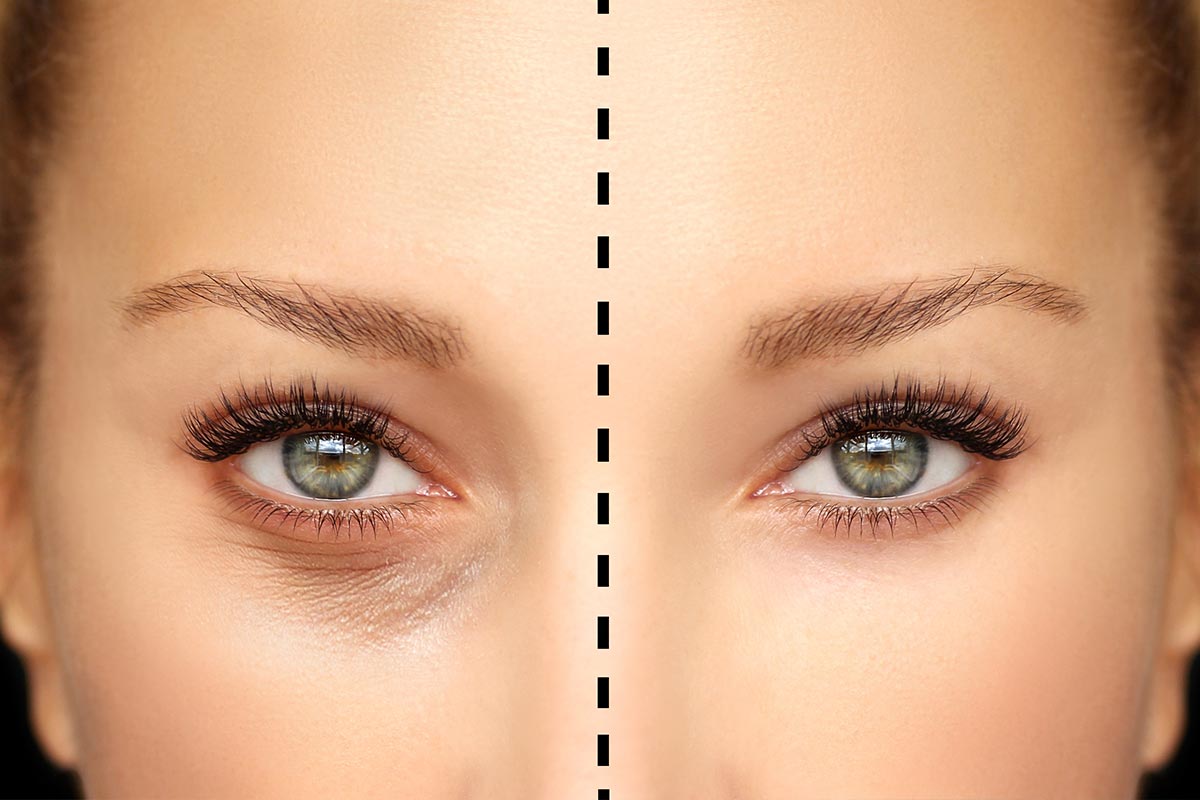
Most patients experience a predictable healing period after blepharoplasty that lasts several weeks. The first days usually include swelling, bruising, and mild tightness around the eyelids, which gradually improves as the tissue heals.
Proper care, such as using cold compresses, keeping the head elevated, and following medical instructions, helps support a smooth recovery.
Understanding what happens after blepharoplasty helps patients manage expectations and avoid activities that could delay healing.
The following sections explain the recovery timeline, care instructions, and warning signs to watch for during the healing process.
Key Takeaways
- Recovery after blepharoplasty typically follows a predictable timeline, with swelling and bruising peaking in the first few days and improving steadily during the first two weeks.
- Proper post operative care, including using eye drops, applying cold compresses, and keeping the head elevated, helps reduce swelling and supports safe healing of the eyelids.
- Patients should avoid heavy lifting, strenuous exercise, and rubbing the eyes during early recovery to prevent increased swelling or complications.
- Most daily activities gradually resume within about 14 days, though full healing and final eyelid contour may take several weeks.
Immediate Recovery in the First Days
The first days after surgery are usually the most noticeable part of eyelid surgery recovery. The eyelids may look swollen and bruised, and the skin can feel tight. Swelling and bruising are normal and usually start to improve after several days.
Rest is very important during the early healing stage. Your doctor may ask you to keep your head raised while sleeping and avoid too much screen time. Many patients also use eye drops to keep the eyes moist and comfortable.
Doctors often recommend simple steps to protect the eyes during the first days after surgery:
- Apply cold compresses for short periods during the first 48 hours
- Keep your head raised while resting or sleeping
- Use prescribed eye drops to prevent dryness
- Protect your eyes from dust and strong light
These actions help reduce swelling and support the early recovery process.
Typical Blepharoplasty Recovery Timeline
The recovery timeline can vary slightly for each person. Still, most patients follow a similar pattern of healing after upper eyelid surgery. Swelling often peaks during the first two to three days.
By the week after surgery, many patients see less bruising around the upper lids. Some swelling may remain, but it slowly fades. Most people begin returning to normal routines during this stage.
A general recovery timeline may look like this:
- Days 1 – 3: Swelling and bruising are most visible.
- Days 4 – 7: Bruising begins to fade and the eyelids feel less tight.
- About 7 – 10 days: Many patients return to light work activities.
- Around 14 days: Most bruising has faded significantly.
- Several weeks: The eyelids settle into a more natural crease.
This timeline helps patients understand the typical recovery from blepharoplasty.
Post Blepharoplasty Care Instructions
Good care during healing is key to a safe recovery. Doctors give clear instructions for blepharoplasty post op care to protect the eyelids. Following these steps helps avoid problems and supports healthy healing.
Patients should keep the eyelids clean and avoid makeup until the doctor says it is safe. Gentle washing around the area may be allowed after the first stage of healing.
Common blepharoplasty after care steps include:
- Avoid heavy lifting during the first two weeks
- Protect your eyes from wind and sun
- Use medications and eye drops as directed
- Attend follow-up visits with your plastic surgeon
These habits help support proper healing and protect the surgical area.
Activities to Avoid During Recovery
Some activities can slow healing or increase swelling. It is important to avoid actions that raise blood pressure in the face during early recovery.
Heavy lifting and strong exercise can increase pressure around the eyes. This may worsen swelling or cause bleeding near the eyelids. Patients should wait until their doctor approves physical activity.
Activities patients should avoid include:
- Heavy lifting and intense workouts
- Rubbing or pressing on the eyelids
- Swimming during early recovery
- Wearing makeup too soon
Limiting these actions helps protect the eyelids during the recovery process.
Managing Swelling and Discomfort
Swelling and discomfort are common after facial plastic surgery around the eyes. These symptoms improve as healing continues. The goal during early care is to reduce swelling and protect the tissue.
Cold therapy works well in the first days after surgery. Many doctors recommend patients apply cold compresses several times per day. This helps control swelling around the upper lids.
Other ways to support healing include:
- Sleeping with the head raised
- Drinking enough water
- Avoiding salty foods
- Following medication instructions carefully
These steps help reduce swelling and improve comfort during eyelid surgery recovery.
When Normal Activities Can Resume
Most patients slowly return to daily habits as the eyelids heal. Your doctor will guide you based on your progress during follow-up visits.
For example, some patients must wait before they wear contact lenses. This helps prevent irritation while the eyelids heal. Makeup is also delayed until the skin has recovered.
During recovery, people researching procedures such as eyelid surgery in Palm Beach often learn that healing can move quickly when care instructions are followed closely. Giving your body time to heal helps protect the final results.
Warning Signs During Blepharoplasty Post Op Recovery
Problems after surgery are uncommon, but patients should still watch for warning signs. Early attention helps prevent complications.
Contact your plastic surgeon if you notice symptoms that seem unusual. These may include strong pain or sudden vision changes. Quick medical advice is important in these cases.
Possible warning signs include:
- Swelling that suddenly gets worse
- Increased swelling and bruising instead of improvement
- Fever or signs of infection
- Eye irritation that does not improve with eye drops
Monitoring symptoms helps keep the recovery process safe.
Supporting Long-Term Healing
Healing continues even after bruising fades. The eyelids slowly settle into their final shape over time. The skin softens and the natural crease becomes more defined.
Protecting the eyes from sun exposure is helpful during this stage. Wearing sunglasses outdoors can help protect your eyes and support long-term healing.
With proper care and guidance from an experienced plastic surgeon, most patients experience a smooth recovery from blepharoplasty and achieve natural-looking results.
After Blepharoplasty: Recovery Timeline and Care Tips

Jude Bellingham Haircut: Step-by-Step Barber Guide

How To Extend The Longevity Of Your Body Spray