Why the Returns Policy is Your First Consideration for an iPhone 17 Air Case
Most shoppers treat the returns policy as an afterthought — something to check only after a purchase goes wrong. For first-time iPhone case buyers, that approach is a costly mistake. The best protective case for iPhone 17 Air isn’t just the one with the highest rating or the most impressive drop-test claims. It’s the one you can confidently evaluate in person, knowing you have a clear exit if it doesn’t deliver.
Here’s the reality: product photos are carefully staged, and descriptions rarely capture how a case actually feels in your hand or how it affects button responsiveness. The iPhone 17 Air’s slim profile makes fit especially sensitive — a case that works beautifully on a thicker model may feel awkward or misaligned on this device. First-time buyers often underestimate how personal these preferences are until the case is physically in front of them.
The anxiety around getting it wrong is completely valid. You’re spending real money on something meant to protect an even more expensive device. A vague or restrictive returns policy turns that purchase into a gamble. Conversely, a seller who offers a straightforward, no-hassle return window is essentially signaling confidence in their own product — and giving you the breathing room to form an honest opinion.
Think of the returns policy as a layer of protection that extends beyond the case’s physical materials. It protects your budget, your time, and your decision-making process. Before comparing drop ratings or browsing color options, take two minutes to locate and read the seller’s returns terms. If they’re buried, vague, or full of exceptions, that tells you something important about the buying experience you’re signing up for.
Essential iPhone 17 Case Features to Balance Protection and Practicality
Choosing the best protective case for iPhone 17 Air means reconciling two competing priorities: robust protection and everyday usability. The iPhone 17 Air’s defining characteristic is its exceptional thinness, which makes case selection more nuanced than it might seem. A case that adds too much bulk defeats the purpose of owning such a slim device, while one that prioritizes aesthetics over durability leaves your investment exposed.
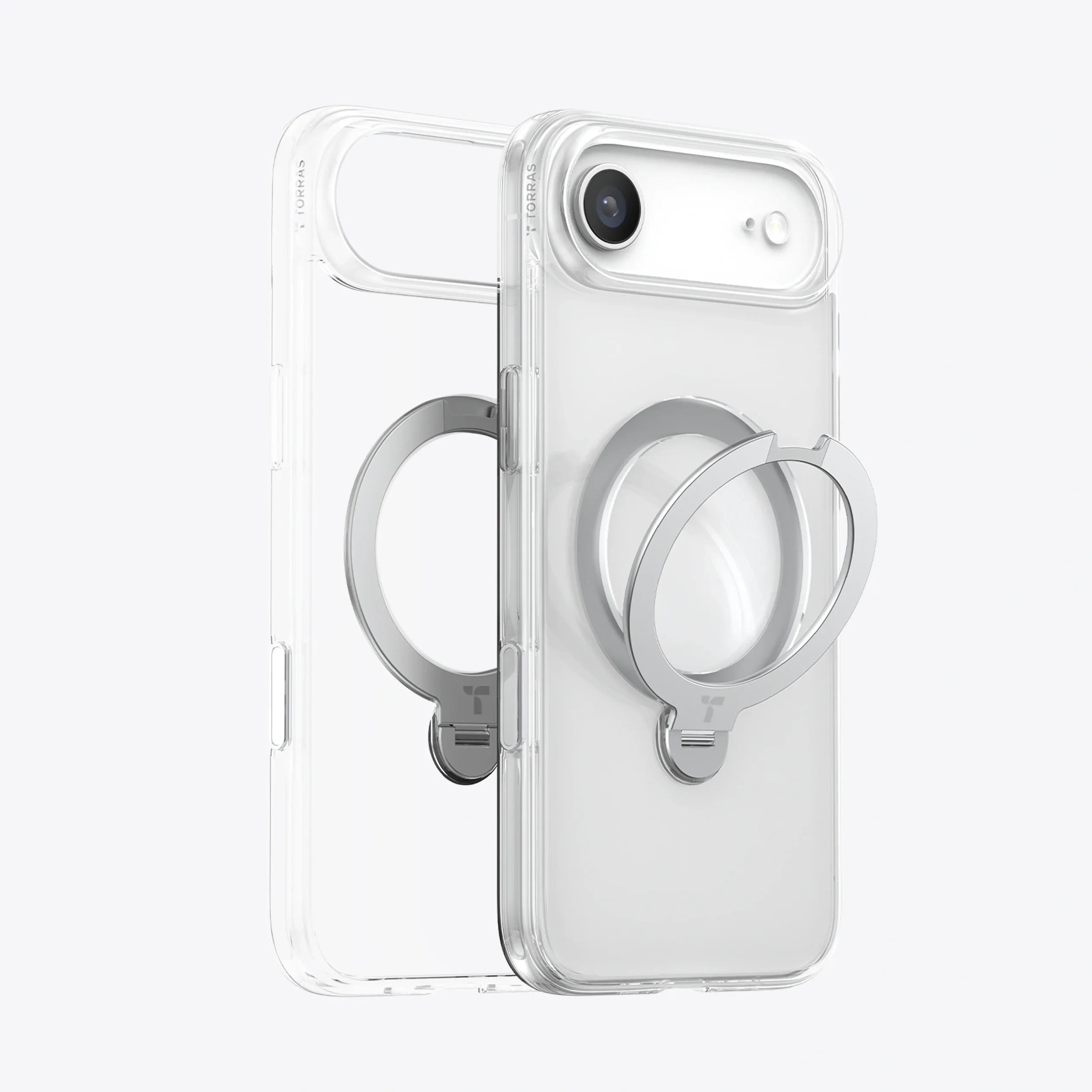
Material quality is your starting point. Polycarbonate shells offer rigid impact resistance, while TPU (thermoplastic polyurethane) provides flexible shock absorption. The most capable cases combine both — a hard outer shell backed by a soft inner layer — giving you meaningful drop protection without turning your phone into a brick. Brands like TORRAS have built their reputation around this dual-material approach, engineering cases that maintain a slim profile while meeting military-grade drop standards. For the iPhone 17 Air specifically, look for cases with raised bezels around the screen and camera cutout, since those edges are your first line of defense during everyday drops.
Beyond protection, consider how the case interacts with the phone’s physical controls. Tactile button covers should respond crisply, not feel mushy or require extra force. Port and speaker openings should align precisely with the device — even a millimeter of misalignment can make charging awkward. Wireless charging compatibility is another practical checkpoint worth confirming before purchase.
Design preference is genuinely personal, and this is exactly where a fair returns policy becomes relevant. A case may photograph beautifully but feel cheap in hand, or a color may appear different under real lighting than on screen. When evaluating iPhone 17 case features, use this shortlist: material construction, raised edge protection, button responsiveness, port alignment, wireless charging support, and grip texture. If a case checks these boxes but still disappoints once it arrives, a clear returns policy ensures that honest assessment doesn’t cost you anything.
Navigating Returns Policies and Customer Support for Peace of Mind
Understanding the Returns Process: Steps and Common Terms
Most returns policies share a common structure, but the details vary enough to matter. The return window — typically 14 to 30 days from delivery — is your most important number. Mark it on your calendar the moment your case arrives. Sellers generally require items to be in original condition with packaging intact, so resist the urge to discard boxes before you’ve thoroughly tested the case. Refund methods also differ: some sellers issue full refunds to your original payment method, while others offer store credit or require you to cover return shipping. Read these terms before purchasing, not after disappointment sets in. One practical tip: photograph the case immediately upon unboxing. If a dispute arises about its condition, that timestamped evidence protects you.
Accessing and Utilizing Customer Support Effectively
Good customer support is the safety net beneath any returns policy. Before buying, check which contact channels the seller offers — live chat tends to resolve issues fastest, while email suits non-urgent documentation. When you reach out, have your order number, purchase date, and a brief description of the problem ready. This speeds up the process considerably. If your first contact doesn’t resolve the issue, ask specifically to escalate to a supervisor or specialist rather than accepting a vague follow-up promise. Reputable sellers typically respond within 24 to 48 hours and will guide you through the returns process without friction. A seller’s responsiveness before the sale — such as answering pre-purchase questions promptly — is a reliable indicator of how they’ll treat you if something goes wrong afterward.
Step-by-Step Guide for First-Time Buyers: Ensuring a Confident Purchase
Turning everything covered so far into action comes down to four straightforward steps. Follow them in order, and you’ll move from browsing to unboxing with far less risk.
Step 1: Research case features and compare policies before clicking buy. Open two tabs — one for the product page, one for the seller’s returns policy. Confirm the return window, refund method, and any condition requirements. If the policy is hard to find or filled with exceptions, treat that as a red flag and move on to a seller who’s more transparent.
Step 2: Document your purchase details immediately. Save your order confirmation email, note the delivery date, and keep all original packaging. These aren’t bureaucratic formalities — they’re your proof of purchase if a return or exchange becomes necessary. A quick photo of the sealed package before you open it adds another layer of protection.
Step 3: Test the case thoroughly within the first 48 hours. Check button responsiveness, port alignment, wireless charging compatibility, and overall grip. Hold the phone naturally and notice whether the added thickness feels acceptable. Don’t wait until day 25 of a 30-day window to form your opinion — early testing leaves you time to act.
Step 4: Contact support early if anything feels off. Don’t talk yourself out of reaching out over a minor concern. A small misalignment or unexpected stiffness is worth flagging immediately. Early contact gives the seller maximum opportunity to resolve the issue and keeps you well within the return window. Sellers who respond promptly and helpfully are the ones worth buying from again.