Understanding Booty Trainer EMS: Technology and Benefits
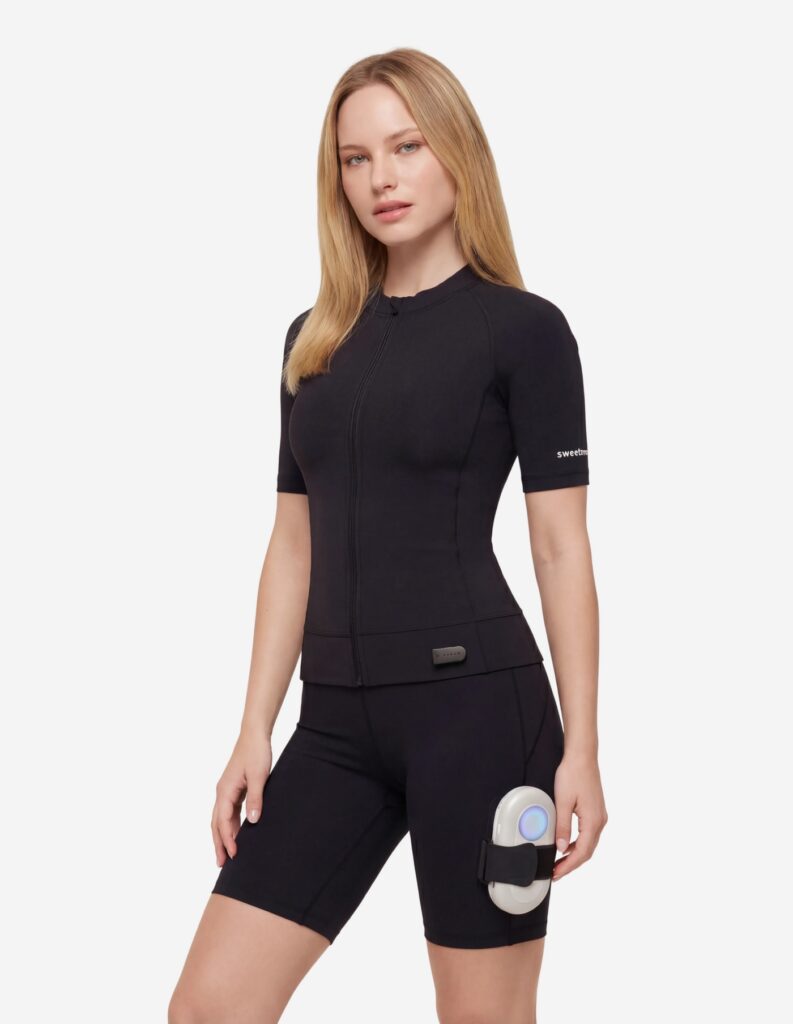
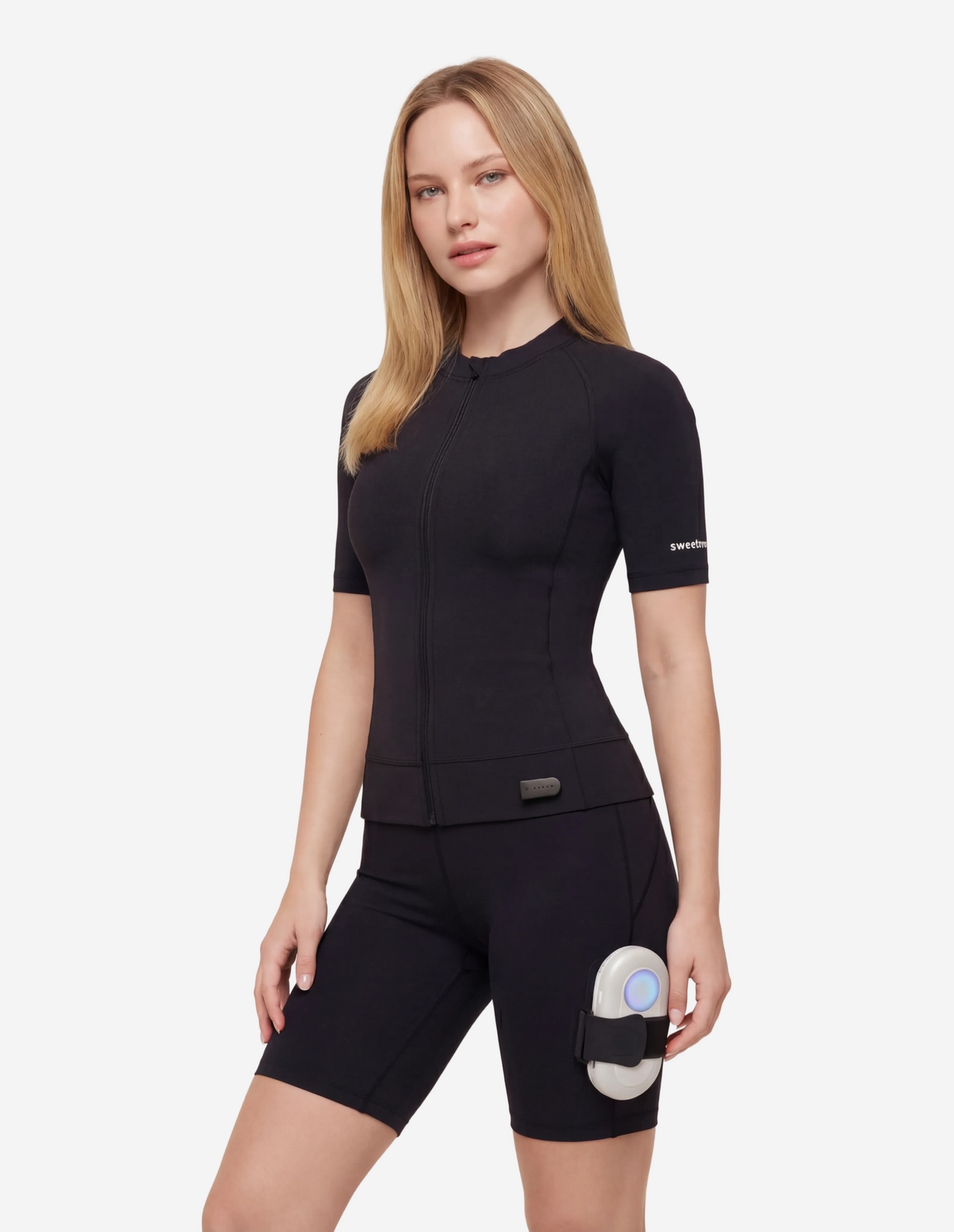
A booty trainer EMS device is a specialized piece of fitness technology that delivers controlled electrical impulses directly to your glute muscles through strategically placed electrode pads. These impulses mimic the signals your brain naturally sends to trigger muscle contractions, but with greater intensity and precision than most people achieve through voluntary effort alone. The technology has roots in physical therapy and professional athletic training, but modern designs have made it accessible for everyday home use through compact, wearable formats like an EMS training suit.
The science behind EMS targeting glute muscles is straightforward yet powerful. Your gluteus maximus, medius, and minimus contain a mix of fast-twitch and slow-twitch muscle fibers. During standard exercises, your body recruits these fibers progressively based on effort level, and many people never fully engage the deeper fibers without heavy resistance. EMS bypasses this limitation by simultaneously activating a higher percentage of muscle fibers, including those difficult-to-reach deep tissues. This enhanced muscle activation means you’re getting more comprehensive stimulation in less time.The benefits extend beyond raw muscle engagement. Time efficiency stands out as a primary advantage—a twenty-minute session with proper muscle stimulation can produce activation levels comparable to longer traditional workouts. For those building a home workout routine without extensive equipment, an EMS training suit fills the gap between bodyweight exercises and gym-level resistance training. It supports progressive overload through adjustable intensity settings, accommodates all fitness levels, and fits seamlessly into compact living spaces where bulky machines simply aren’t practical.
How EMS Works for Glute Development
When you activate your EMS device, electrical signals travel through the electrode pads and penetrate the skin to reach motor neurons controlling your glute muscles. These neurons respond by firing and causing the surrounding muscle fibers to contract involuntarily. The contractions are rhythmic and can be adjusted in frequency, pulse width, and intensity to target different training outcomes—lower frequencies promote endurance development while higher frequencies stimulate strength and hypertrophy.
Compared to traditional exercises like squats or hip thrusts performed with bodyweight alone, EMS creates a fundamentally different stimulus. Traditional movements rely on your neuromuscular coordination and mental focus to achieve maximum contraction. Many people develop compensation patterns where dominant muscles like the quadriceps take over, leaving glutes underactivated. EMS eliminates this problem by forcing the targeted muscles to work regardless of movement patterns or coordination issues. When combined with active exercises, the result is significantly greater muscle recruitment than either method achieves independently.
Safety considerations are important for anyone beginning EMS training. The technology is suitable for most healthy adults, but those with pacemakers, epilepsy, or who are pregnant should avoid use entirely. Start with the lowest intensity setting and increase gradually over multiple sessions as your muscles adapt to the electrical stimulus. Skin should be clean and slightly moist for optimal conductivity, and sessions should be limited to manufacturer recommendations to prevent muscle fatigue or overstimulation. When used responsibly, EMS presents minimal risk and substantial reward for dedicated fitness enthusiasts seeking glute development at home.
Setting Up Your EMS Training Suit for Home Workouts
Choosing the right EMS training suit starts with understanding what features matter most for your home workout goals. Look for a device with multiple electrode zones that specifically target the gluteal region, adjustable intensity levels with fine-tuning capability, and a wireless design that allows unrestricted movement during exercises. Brands like sweetmyo offer suits designed with these considerations in mind, providing both training and recovery modes that give you versatility as your routine evolves. Battery life matters for uninterrupted sessions, and a user-friendly interface ensures you spend time training rather than troubleshooting. Breathable, moisture-wicking materials prevent discomfort during longer sessions and keep electrodes functioning properly against your skin.
Initial setup requires attention to detail for optimal performance. Begin by fully charging your device according to manufacturer instructions. Position electrode pads directly over your gluteus maximus, medius, and minimus—typically this means placing them across the upper and lower buttock area with even spacing. The pads should sit flush against clean, dry skin without wrinkles or air gaps that reduce conductivity. Calibrate the device by starting at the lowest setting and slowly increasing until you feel distinct muscle contractions without pain. This baseline becomes your starting point for progressive training. Most EMS training suits connect to smartphone apps that guide placement and track your sessions, making the home workout experience intuitive even for first-time users.
Maintaining your equipment extends its lifespan and ensures consistent results. Wipe electrode pads after each session with a damp cloth, store the device in a cool dry place, and replace gel pads when adhesion weakens. Inspect wires and connections regularly for wear, and never use the device near water or on broken skin.
Safety Precautions and Best Practices
Proper skin preparation is non-negotiable for safe and effective EMS use. Shave the electrode contact area if necessary, as body hair creates resistance that diminishes signal quality and can cause uneven stimulation. Clean the skin with mild soap to remove oils and lotions that interfere with conductivity, then pat dry before applying pads. Never place electrodes over wounds, irritated skin, or bony prominences where electrical current concentrates uncomfortably.
Common mistakes undermine results and can create unnecessary risk. Jumping to high intensity settings before your muscles have adapted leads to excessive soreness and potential strain—increase by no more than one or two levels per session over your first two weeks. Wearing the device for longer than recommended durations causes overstimulation and counterproductive fatigue rather than enhanced growth. Skipping the warm-up phase programmed into most devices means muscles receive intense contractions without adequate preparation. Another frequent error is poor pad placement that shifts stimulation to surrounding muscles like the hamstrings instead of isolating the glutes. Always verify positioning before beginning, and readjust if you feel contractions primarily in unintended areas. Following these practices transforms your EMS training suit from a simple gadget into a reliable tool for consistent glute development at home.
Maximizing Workouts with Effective Muscle Stimulation Techniques
Getting the most from your booty trainer EMS device requires a strategic approach that goes beyond simply turning it on and hoping for results. The real power of muscle stimulation emerges when you pair it with intentional movement patterns that force your glutes to work under both voluntary and electrical contraction simultaneously. This dual activation creates a training stimulus your muscles cannot ignore, accelerating development far beyond what either method delivers on its own.
Start each session by activating your EMS device at a moderate intensity during a brief warm-up of glute bridges or banded walks. This primes the neuromuscular connection and ensures your glutes are firing before you increase the workload. Once warmed up, raise the intensity to a level where contractions feel strong but allow you to maintain proper exercise form. The sweet spot is challenging enough that you notice significant additional resistance during each rep, yet controlled enough that your movement quality doesn’t break down. Perform compound movements like squats, lunges, and deadlifts while the device pulses, focusing your mental attention on squeezing your glutes through the full range of motion. This mind-muscle connection, amplified by EMS, produces remarkably thorough fiber recruitment.
Adjusting intensity levels according to your fitness goals makes a meaningful difference. For muscle endurance and toning, use lower intensity with higher repetition counts and shorter rest periods. For strength and hypertrophy, increase the stimulation intensity and slow down your rep tempo so each contraction lasts longer under tension. As you progress over weeks, gradually raise your baseline intensity to maintain progressive overload—the same principle that drives adaptation in traditional weight training. Fitness enthusiasts who track their intensity settings and workout volume consistently report faster visible changes than those who train without structure. Dedicate three to four sessions per week to EMS-enhanced training, spacing them at least forty-eight hours apart to allow adequate recovery between sessions.
Sample EMS-Enhanced Home Workout Routines
A beginner-friendly routine starts with three sessions per week, each lasting twenty minutes. Begin with two minutes of glute bridges at low EMS intensity for activation, then move into three sets of twelve bodyweight squats with moderate stimulation, followed by three sets of ten reverse lunges per leg, and finish with three sets of fifteen sumo squats. Rest sixty seconds between sets. Keep the EMS intensity at a level where you feel clear contractions without struggling to complete reps. Follow this structure for the first three weeks to build tolerance and establish proper movement habits with the device.
Intermediate users ready for more challenge should extend sessions to twenty-five minutes and introduce single-leg exercises that demand greater glute stabilization. Perform Bulgarian split squats, single-leg Romanian deadlifts, and curtsy lunges with the EMS intensity raised two to three levels above your beginner baseline. Add pulse reps at the bottom of each squat variation—holding the lowest position while the device contracts your glutes creates an intense isometric challenge. Reduce rest periods to forty-five seconds to maintain metabolic stress throughout the workout.
Advanced practitioners can push sessions to thirty minutes, incorporating tempo manipulation and supersets. Pair a slow four-second eccentric squat with an explosive hip thrust, performing both back-to-back with no rest and EMS running at high intensity. Add lateral band walks between supersets to target the gluteus medius under electrical stimulation. Progress by increasing intensity every two weeks and adding one additional set to each exercise monthly. Regardless of your level, always conclude with a two-minute cool-down at reduced EMS intensity to begin the transition toward recovery and prevent abrupt cessation of stimulation.
Using EMS as a Recovery Device for Muscle Repair
Beyond its role in active training, your booty trainer EMS device doubles as a powerful recovery device that accelerates muscle repair between sessions. After intense glute work, microscopic tears form in muscle fibers—this is the natural process that leads to growth when paired with adequate recovery. EMS recovery modes use low-frequency electrical impulses to increase blood flow to the targeted area, delivering oxygen and nutrients that speed cellular repair while flushing out metabolic waste products like lactic acid. This enhanced circulation reduces the duration and severity of delayed onset muscle soreness, allowing you to return to training sooner without compromising quality.
Incorporating recovery sessions into your home routine requires minimal effort but yields significant returns. On rest days or immediately following a workout, switch your EMS training suit to its recovery or massage setting—typically characterized by gentle, rhythmic pulses that feel like a deep tissue massage rather than forceful contractions. These sessions promote parasympathetic nervous system activation, helping your body shift into repair mode more efficiently. For fitness enthusiasts training three to four times per week, adding two dedicated recovery sessions fills the gaps between workouts and prevents the cumulative fatigue that leads to plateaus or injury. The convenience of using your device at home means recovery happens while you watch television, read, or simply relax on the couch.
The performance benefits compound over time. Consistent use of EMS as a recovery device means less stiffness on training days, improved range of motion during exercises, and the ability to maintain higher training frequency without burnout. Athletes who prioritize recovery alongside training consistently outperform those who focus solely on intensity, and EMS makes this principle accessible without expensive massage appointments or elaborate recovery equipment.
Post-Workout Recovery Protocols with EMS
Immediately after your final exercise, reduce your device to the lowest recovery setting and apply gentle stimulation for eight to ten minutes while performing static stretches targeting the glutes, hip flexors, and hamstrings. This combination of passive electrical stimulation and stretching enhances flexibility while jumpstarting the recovery process. The pulsing action prevents blood from pooling in fatigued muscles and maintains gentle movement through the tissue without requiring additional physical effort from you.
On dedicated rest days, run a longer recovery session of fifteen to twenty minutes at low frequency while keeping your body relaxed in a comfortable position. Pair this with foam rolling before the session to break up any adhesions, then let the EMS work passively to promote circulation through the treated area. Schedule these sessions at least six hours after any physical activity to maximize their restorative effect. If you experience particular tightness or soreness in one glute over the other, you can adjust individual electrode intensity to deliver more attention where it’s needed most. Consistency matters more than duration—brief daily recovery pulses outperform occasional lengthy sessions for maintaining tissue quality and readiness between your EMS-enhanced training days.