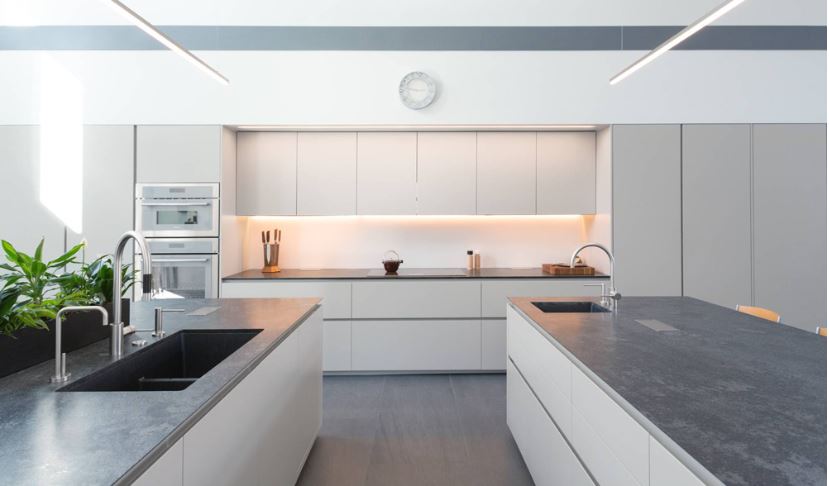
The Timeless Appeal of Natural Wood Kitchen Cabinets
There’s a reason natural wood cabinets have never truly gone out of style. Unlike synthetic alternatives that can feel cold or trend-dependent, wood brings an inherent warmth to a kitchen that no manufactured material can replicate. Every grain pattern tells a story, and that organic character creates a sense of authenticity that homeowners and guests instinctively gravitate toward.
 Beyond aesthetics, natural wood cabinets are remarkably durable when properly maintained. Hardwoods like oak and maple resist daily wear and tear with ease, while softer options like birch and pine offer a lighter, more casual look at a friendlier price point. Oak delivers bold, pronounced grain that anchors traditional and farmhouse kitchens beautifully. Maple, with its smooth and subtle texture, lends itself to contemporary and transitional spaces. Cherry deepens in color over time, adding richness that actually improves with age — a rare quality in any building material.
What makes natural wood especially versatile is its ability to adapt. You can stain it dark for a dramatic, sophisticated feel, keep it light for an airy Scandinavian vibe, or leave it raw for a rustic, organic aesthetic. This flexibility means your cabinets can evolve alongside your taste without requiring a full replacement. For homeowners seeking a stylish yet functional kitchen, natural wood cabinets remain one of the most reliable foundations you can build around — delivering visual impact and everyday performance in equal measure.
Cabinet Color Trends for 2025: What Budget-Conscious Consumers Need to Know
Staying current with cabinet color trends doesn’t mean chasing every fleeting fad — it means understanding which directions in kitchen design offer lasting value and broad appeal. For budget-conscious homeowners, choosing the right color approach can dramatically influence how expensive your kitchen looks and feels, regardless of what you actually spent. The right tone can make a modest kitchen feel custom-designed, while a poorly chosen color can undermine even the most expensive materials. As we move into 2025, the trends favor natural wood cabinets more than they have in years, which is excellent news for anyone watching their kitchen remodeling budget.
Top Color Palettes for Natural Wood Cabinets in 2025
This year’s dominant palettes lean heavily into warmth and organic sophistication. Honey-toned woods are making a strong comeback, replacing the cool grays that dominated the past decade. Think golden oak and light walnut finishes that flood kitchens with a sun-drenched, welcoming energy. Earthy greens — sage, olive, and forest tones — pair exceptionally well with natural wood, creating a grounded, nature-inspired atmosphere when used on islands or lower cabinets. Warm whites and creamy off-whites continue to hold their ground, especially when combined with wood uppers or open shelving that lets grain patterns shine through. For homeowners who prefer contrast, deep navy and charcoal paired with lighter wood tones creates a two-tone effect that reads as intentional and designer-curated. The overarching theme is warmth meeting simplicity — colors that complement rather than compete with natural wood’s inherent beauty.
Cost-Effective Ways to Update Cabinet Colors
You don’t need to replace your cabinets entirely to ride the wave of current trends. A high-quality stain can transform dated golden oak into a richer walnut or a contemporary weathered gray for a fraction of the cost of new cabinetry. If painting appeals to you, chalk-style paints adhere well to wood surfaces with minimal prep work, making them ideal for weekend DIY projects. Consider a two-tone approach where you paint only the lower cabinets in a trending shade and leave the uppers in their natural wood state — this splits the labor while creating visual interest. Swapping hardware is another remarkably effective strategy; brushed brass or matte black pulls on natural wood cabinets instantly modernize the entire look. Even adding open shelving sections made from matching wood can refresh your kitchen’s personality without touching the existing cabinet boxes at all.
Smart Kitchen Budget Strategies for Affordable Cabinets
The difference between a kitchen remodel that feels empowering and one that feels financially suffocating often comes down to how strategically you allocate your budget before spending a single dollar. Cabinets typically consume 30 to 40 percent of a total kitchen remodeling budget, which means even modest savings in this category free up significant funds for countertops, lighting, or appliances. The key is knowing where to economize without sacrificing the natural wood aesthetic you’re after.
Start by establishing a realistic total kitchen budget based on your home’s value — most financial advisors recommend spending no more than 5 to 15 percent of your home’s worth on a kitchen renovation. Once you have that number, work backward to determine your cabinet allocation. If your total budget is tight, ready-to-assemble cabinets made from genuine hardwood or wood veneer over plywood offer remarkable quality at a fraction of pre-assembled pricing. These units ship flat-packed and require basic assembly, but the finished product is often indistinguishable from fully custom options. Refurbished or surplus cabinets from kitchen showrooms represent another overlooked opportunity — display models and overstock from canceled orders frequently sell at 50 to 70 percent below retail.
Prioritizing your spending within the cabinet category itself also matters. Invest in solid wood doors and drawer fronts where hands and eyes interact daily, but opt for high-quality plywood boxes behind them — nobody sees the interior construction, and plywood actually outperforms solid wood in resisting moisture warping. Choose standard cabinet dimensions whenever possible, since custom sizing inflates costs dramatically. Finally, consider a phased approach where you install the most visible cabinets now and add supplementary storage pieces over the following months as your budget recovers. This prevents debt accumulation while still delivering an immediate visual transformation that makes your kitchen feel complete.
Kitchen Remodeling with Natural Wood Cabinets: A Practical Guide
A successful kitchen remodel hinges on thoughtful planning long before any demolition begins. When natural wood cabinets are central to your vision, the design process should start with understanding how they’ll interact with your kitchen’s existing architecture — ceiling height, window placement, and natural light all influence which wood species and finish will look best in your space. Darker woods absorb light and work beautifully in kitchens with ample windows, while lighter species like maple or birch can brighten compact or north-facing rooms. Mapping out your workflow zones early ensures that cabinet placement supports how you actually cook and move, not just how the kitchen photographs.
Integrating natural wood cabinets into a remodel also means coordinating them with complementary elements. Countertop materials, backsplash choices, and flooring should enhance the wood rather than clash with it. Stone countertops with warm undertones pair naturally with oak and cherry, while concrete or quartz in cooler shades can balance honey-toned cabinets for a modern edge. Think of your cabinets as the anchor piece and design outward from there.
Key Steps in a Successful Kitchen Remodel
Begin with an honest assessment of your current kitchen’s strengths and weaknesses — identify what functions well and what frustrates you daily, because this clarity prevents unnecessary spending on changes that don’t improve your experience. Next, finalize your layout before selecting cabinets; moving plumbing or electrical adds thousands to a budget, so working within your existing footprint wherever possible keeps costs predictable. Once the layout is locked, measure meticulously — even quarter-inch errors create costly gaps or fitting problems during installation. Select your cabinet style and wood species based on both aesthetic preference and practical durability for your household’s demands. Order cabinets early in the process since lead times vary, and use the waiting period to complete any electrical, plumbing, or wall preparation work. When cabinets arrive, install uppers first to avoid working awkwardly over base units, and always verify level and plumb on every box before securing permanently. Finish by installing hardware, adjusting hinges for uniform door alignment, and applying any protective sealant that extends the life of exposed wood surfaces.
Step-by-Step Solution: Selecting and Installing Affordable Natural Wood Cabinets
Turning your vision into reality requires a structured approach that minimizes costly mistakes and maximizes the value of every dollar spent. Start by researching your options thoroughly — visit local home improvement stores, browse online RTA cabinet retailers like GeorgeBuild, and check architectural salvage yards for reclaimed wood pieces that add character at reduced cost. Collect samples of wood species and finishes that appeal to you, then bring them home to evaluate under your kitchen’s specific lighting conditions, since wood tones shift dramatically between showroom fluorescents and your actual space.
Once you’ve narrowed your choices, compare prices across at least three suppliers for the same or equivalent products. Request quotes that include shipping, since flat-packed RTA cabinets from online retailers sometimes offer better total value than local big-box stores even after delivery fees. With your supplier selected, measure your kitchen with extreme precision — record wall lengths, ceiling height, window and door locations, and the position of every outlet and pipe. Use these measurements to map your cabinet layout on graph paper or free online kitchen planning tools, ensuring every unit fits before you commit financially.
Choose your finish based on both the 2025 trends that resonate with your taste and the practical demands of your household — families with young children may prefer darker stains that camouflage fingerprints, while lighter finishes suit lower-traffic kitchens. When it comes to installation, assess your skill level honestly. Hanging wall cabinets requires confidence with a level, stud finder, and drill, and most handy homeowners can manage base cabinets with patience and a helper. For complex configurations involving corner units or integrated appliance panels, hiring a professional installer for a single day often prevents weeks of frustration. After installation, apply a food-safe polyurethane or natural oil finish to all exposed wood surfaces — this simple maintenance step protects against moisture, staining, and UV fading, keeping your cabinets looking fresh for years without expensive refinishing.