Breastfeeding is natural. That does not mean it is easy. The first 6–8 weeks are the hardest, with latch issues, cluster feeding, cracked nipples, and exhaustion all hitting at once. Having the right breastfeeding essentials within arm’s reach can be the difference between giving up and pushing through. The World Health Organization recommends exclusive breastfeeding for the first 6 months of life. Research shows it reduces infant respiratory infection risk by 72% and lowers the mother’s risk of breast cancer by 26%. The gear does not do the feeding — but it absolutely supports it.
What Should Every Breastfeeding Mum Have in the First Week?
The first week is raw survival mode. You need: nursing pads (disposable or washable), lanolin nipple cream, a feeding pillow, a water bottle with a wide straw (hydration drops fast during feeds), healthy one-handed snacks, and a muslin cloth. Nursing pads matter more than most mums expect — leaking starts fast and without warning. Lanolin cream, specifically medical-grade pure lanolin, is the only nipple balm with strong clinical backing. A 2019 Cochrane Review found it reduces nipple pain and cracking in the first 2 weeks better than any other topical treatment.
Do You Actually Need a Breast Pump?
If you are breastfeeding exclusively, you need one — even if not right away. Pumping builds supply backup, allows others to feed, and relieves engorgement when you cannot feed directly. Double electric pumps are the most efficient. A 2018 study in the Journal of Human Lactation found double electric pumping removed 18% more milk per session compared to single pumping. Hospital-grade pumps produce even stronger results. Manual pumps are cheaper but slower — fine as a backup. Medicare and many private health insurance plans cover at least partial pump costs. Check before buying.
Why Is a Nursing Pillow More Than Just Comfort?
Posture during feeding matters clinically. Holding a baby without support causes shoulder, neck, and back strain that compounds over hundreds of hours of feeding. A proper nursing pillow positions the baby at breast height, reducing the need to hunch or hold tension. Poor latch is often a positioning problem. The right feeding pillow brings baby to breast level so they latch without pulling. A 2016 survey by the Breastfeeding Medicine journal found that 64% of mums who reported latch improvement after lactation consultations also changed their feeding position. The pillow is part of that fix.
What Helps With Cracked and Sore Nipples?
Cracked nipples affect up to 80–90% of breastfeeding women in the first two weeks. The causes: incorrect latch, dryness, friction, and fungal infection. Pure lanolin is first-line treatment — it is safe for babies and does not need to be removed before feeding. Hydrogel pads provide instant cooling relief between feeds. If cracking is severe or bleeding, breast shells protect the nipple from fabric friction. If pain does not improve within a week of correct latch practice, rule out thrush — a fungal infection that requires antifungal treatment and will not resolve with lanolin alone.
How Does a Nursing Bra Affect Breastfeeding Success?
A poorly fitting bra causes real damage. A bra that is too tight compresses milk ducts, increasing the risk of blocked ducts and mastitis. Mastitis affects 10% of breastfeeding mothers and is painful enough to stop feeding entirely. A well-fitted nursing bra should have no underwire in the first 6 weeks while supply is establishing. It should open fully on one side for easy access. Fit should allow one to two fingers under the band. Wire-free soft-cup bras or sleep/nursing bras are the safest choice early on. Get professionally measured postpartum — breast size changes significantly from pregnancy.
Is a Feeding App Worth Using?
For a sleep-deprived new mum who cannot remember what day it is — yes, absolutely. Apps like Baby Tracker or Huckleberry log feed times, duration, which breast was used last, nappy changes, and sleep. This data matters at paediatric check-ups. Weight gain concerns and supply issues become clearer when you have real feed data. A 2021 study in Pediatrics found that mothers who tracked feeds reported higher breastfeeding confidence and longer breastfeeding duration than those who did not track. It is a simple habit with a measurable payoff.
What Should Be in a Breastfeeding Station at Home?
Create one spot in the house — your main feeding chair — and stock it completely. Include: water bottle, nursing pads, nipple cream, phone charger, remote controls, a small healthy snack stash, spare muslin cloth, and a book or headphones. Feeds can last 20–45 minutes in the early weeks. Getting up mid-feed is frustrating and breaks your rhythm. The National Childbirth Trust (NCT) recommends setting up a dedicated feeding station before birth — mums who prepared one reported 34% higher satisfaction with feeding sessions in the first month. Preparation is not overthinking. It is strategy.
A Practical Guide to Choosing Baby Essentials for Australian Families
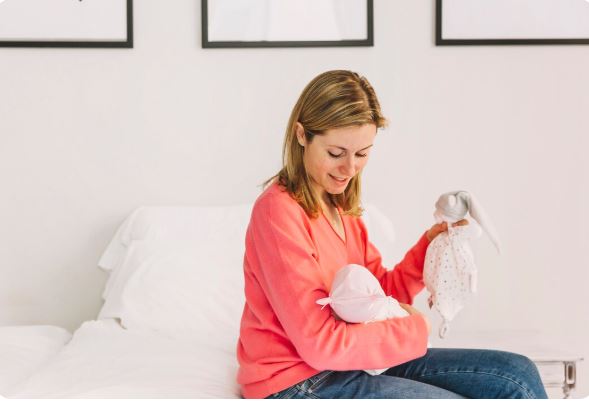
Breastfeeding Essentials Every New Mum Should Keep Within Reach

New Baby and Old Pet. How to Keep Everyone Safe and Happy